 Free shipping on orders over £29,85
  Shipping Tracking!


 Google
 Facebook
← Back to What Is the Resin for Sinks Called?
Epoxy resin sinks are prized for their clarity and modern appearance, but yellowing over time can spoil their look. Understanding what causes this discolouration and how to prevent it is key to keeping your sink crystal clear for years to come.
Core Causes of Epoxy Yellowing
Yellowing in epoxy is commonly triggered by prolonged exposure to UV rays, either from sunlight or strong indoor lighting. Over time, basic resins without UV protection become susceptible to discolouration, which can dull the sink’s gloss and clarity. Heat and certain cleaning chemicals may also hasten the yellowing process.
Choosing UV-Resistant Epoxy Resins
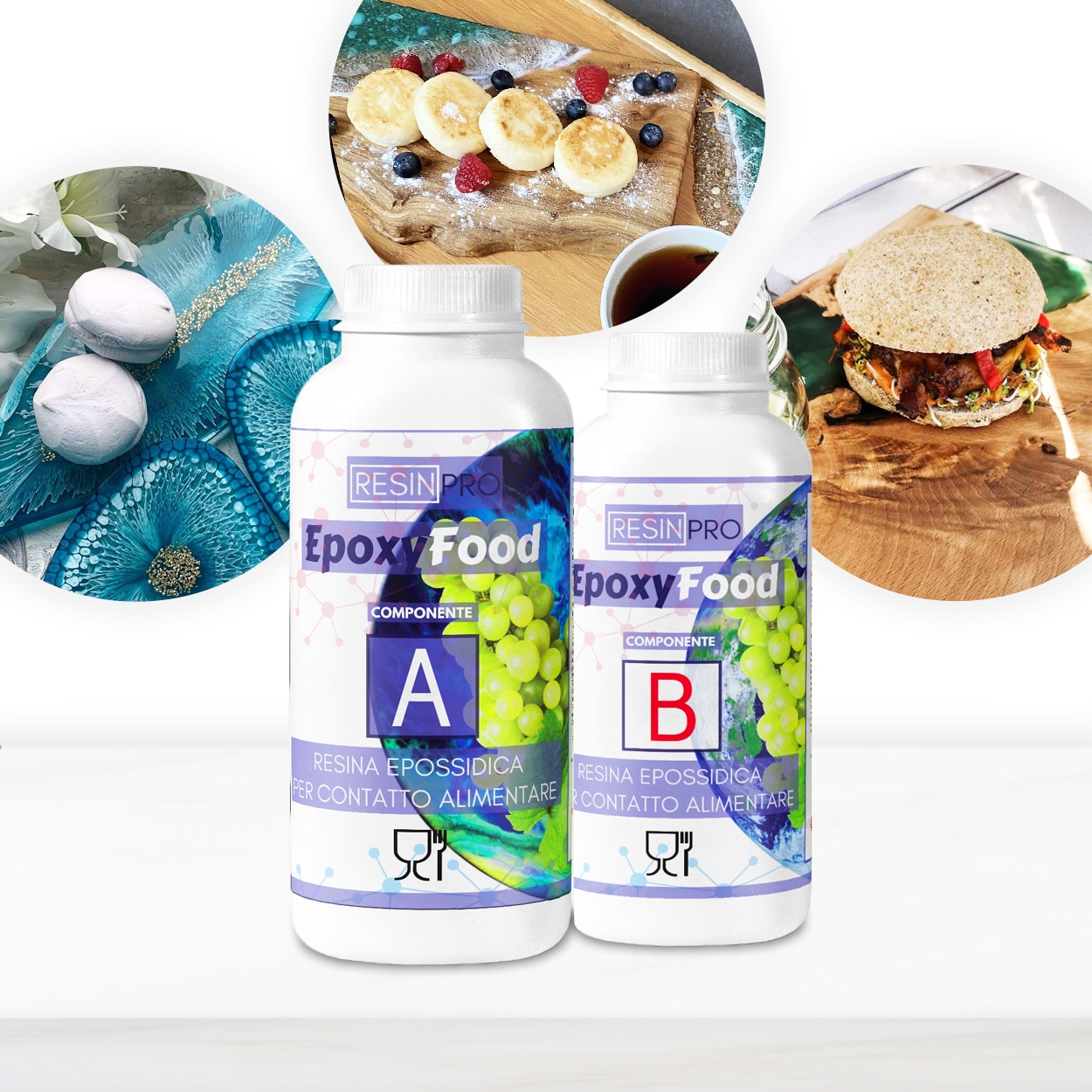
Opting for an epoxy that incorporates UV filters is among the most effective ways to safeguard against yellowing. Products such as EpoxyFood, “Trasparente”, and “Icrystal” are formulated to resist yellowing, providing superior clarity even in sunlit environments. Look for professional formulas offering UV protection and a clear, glossy finish for lasting results.
Practical Application and Care Tips
- Whenever possible, install epoxy sinks away from direct sunlight or use curtains/blinds to lessen UV exposure.
- Clean only with gentle, non-abrasive products to avoid surface wear that makes yellowing more visible.
- Allow resin to cure fully before use, following manufacturer instructions for best results.
When This Matters
Preventing yellowing is particularly important for sinks in kitchens with lots of natural light or for those aiming to preserve the resin’s pristine clarity. Investing in UV-resistant epoxy ensures your resin surface stays clean and inviting, even with frequent use.
Related products
Related guides
By selecting a UV-resistant epoxy and taking some basic precautions, you can keep your sink looking immaculate. For further guidance and product selection, see our main guide on what resin is best for sinks.