 Free shipping on orders over £29,85
  Shipping Tracking!


 Google
 Facebook
How to extract resin from shredded material?
Step-by-step guide for efficient and clean resin extraction


Extracting resin from shredded material enables crafters and DIY enthusiasts to recover valuable resin for reuse, cleaning, or disposal. Mastering this process ensures efficient separation while minimising contamination and material loss. This guide details safe, effective methods to maximise your resin yield and maintain quality in every project.
What You’ll Need
- Pure Isopropyl Alcohol 99.9% – 1000ml Bottle for Epoxy Resin Projects & DIY – for dissolving and purifying resin from surfaces and tools.
- Strong Technical Degreaser for Resin Projects – 100% Natural Formula – assists in removing sticky or greasy residue without harsh chemicals.
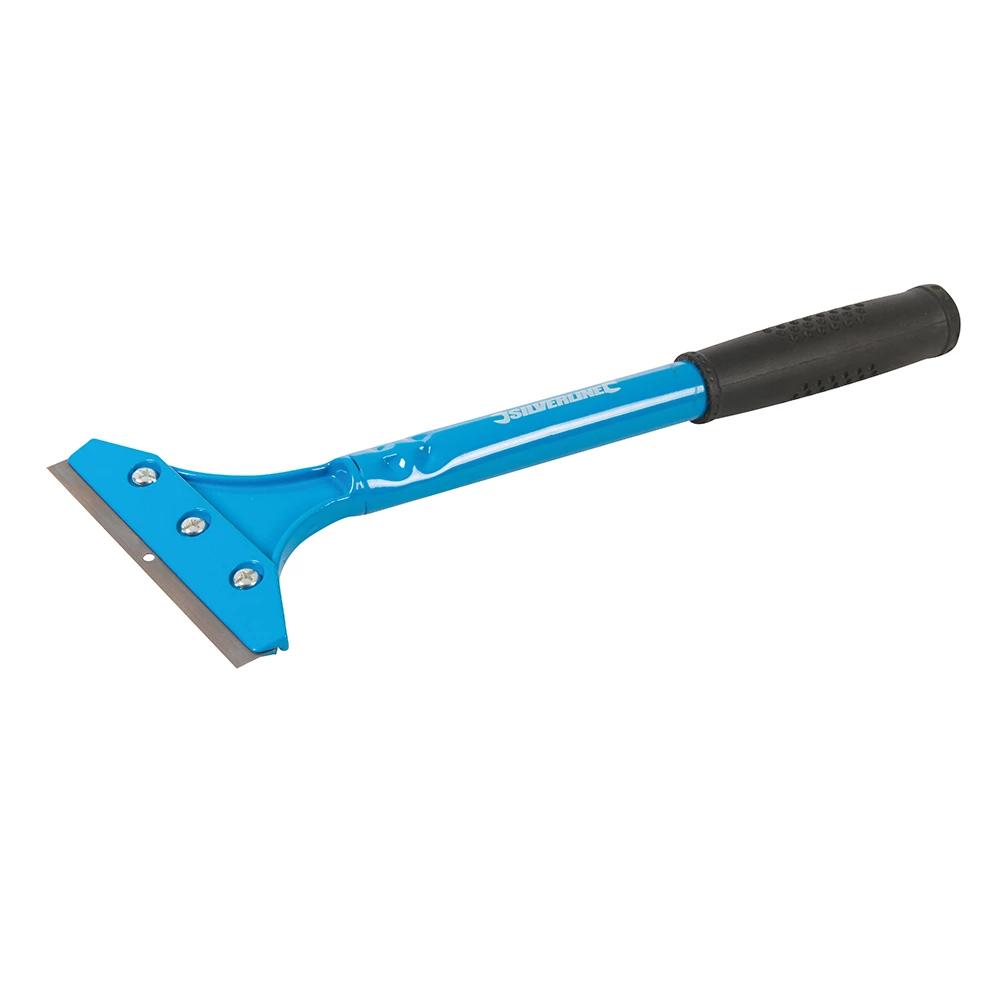
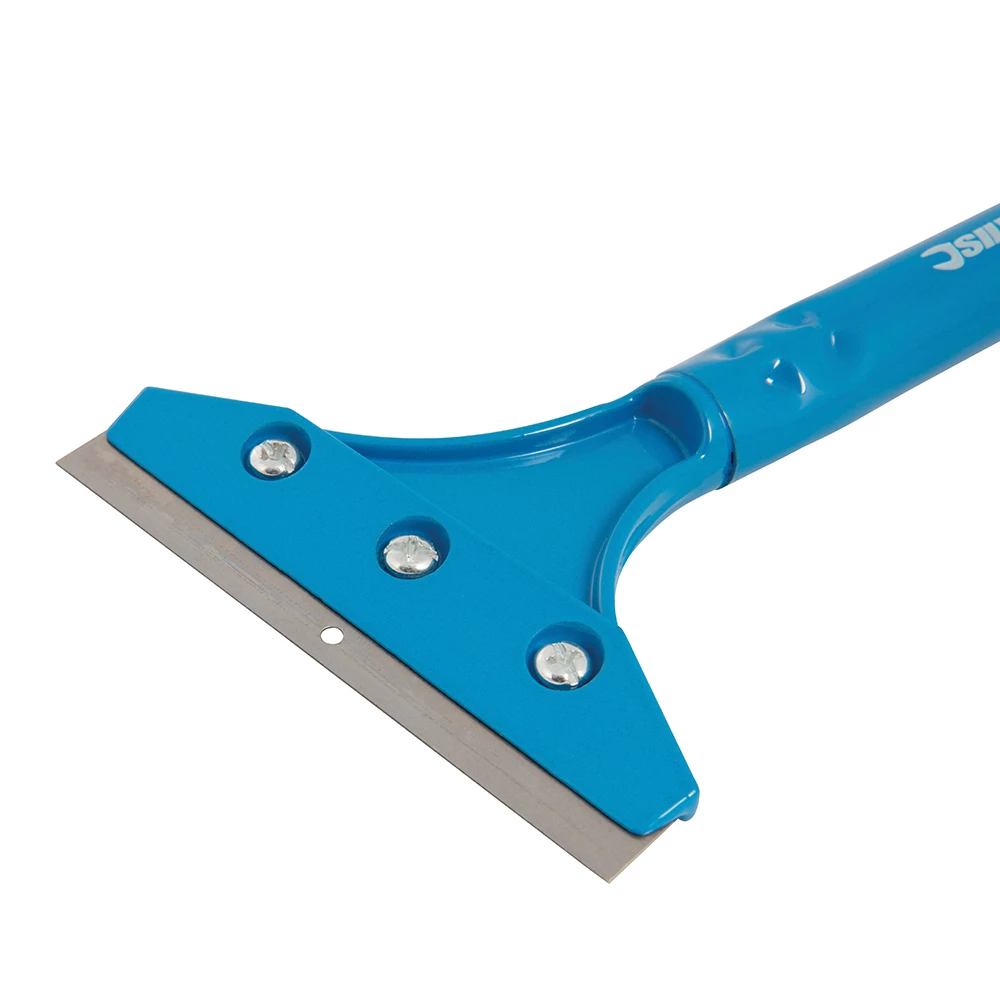
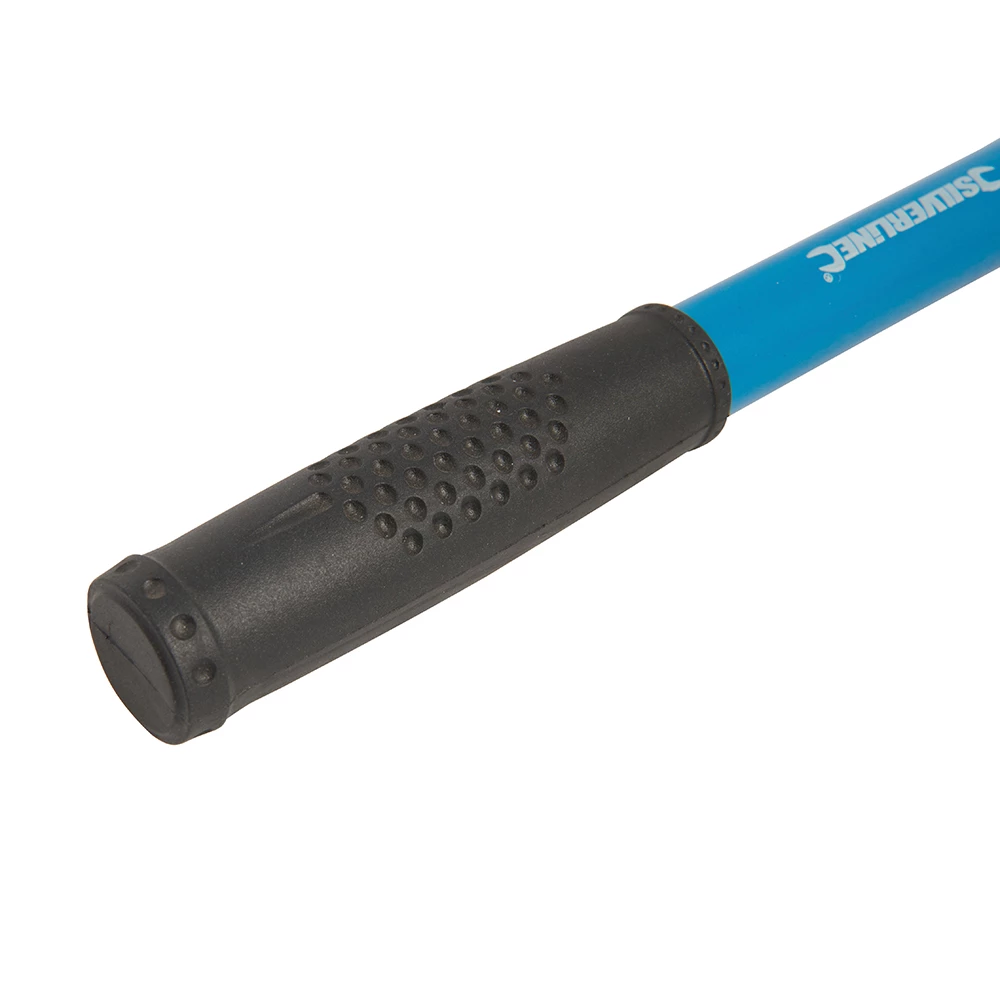
- Heavy Duty Scraper for Paint and Epoxy Resin Removal – helps lift hardened resin from solid components or tools.
- Protective gloves and safety glasses
- Sturdy containers for collection
- Well-ventilated workspace
Setting Up a Safe Extraction Environment
Ensure your workspace is clean and properly ventilated when extracting resin. Lay down protective sheets to gather loose material efficiently and reduce mess. Wear gloves and eye protection at all times, and keep children and pets away from the work area for safety.
Step 1: Prepare Your Workspace and Materials
Begin by cleaning and organising your workspace to prevent cross-contamination. Select a well-ventilated area, lay down protective sheets, and gather all necessary materials. Shredded resin material should be spread out evenly, separating larger fragments from fine shreds to aid uniform processing. Clean all work surfaces before beginning to avoid introducing dirt or oils that could affect the extraction process.
Step 2: Apply Solvent or Cleaning Solution
Depending on the type of resin and the desired result, apply a suitable solvent. For epoxy or synthetic resins, a high purity alcohol is often the most effective choice for dissolving and separating residue. Using a soft cloth or spray bottle, gently introduce the solvent to the shredded material, ensuring complete coverage. Mild agitation will enhance penetration and loosen the resin. Allow time for full solvent evaporation before proceeding to physical extraction to avoid carrying solvent into your resin collection.
If the residue is greasy or contains oil-based contaminants, a natural degreaser like Strong Technical Degreaser for Resin Projects – 100% Natural Formula can be used for an initial clean, ensuring a residue-free result without harsh chemicals.
Step 3: Physically Extract Resin from the Shredded Material
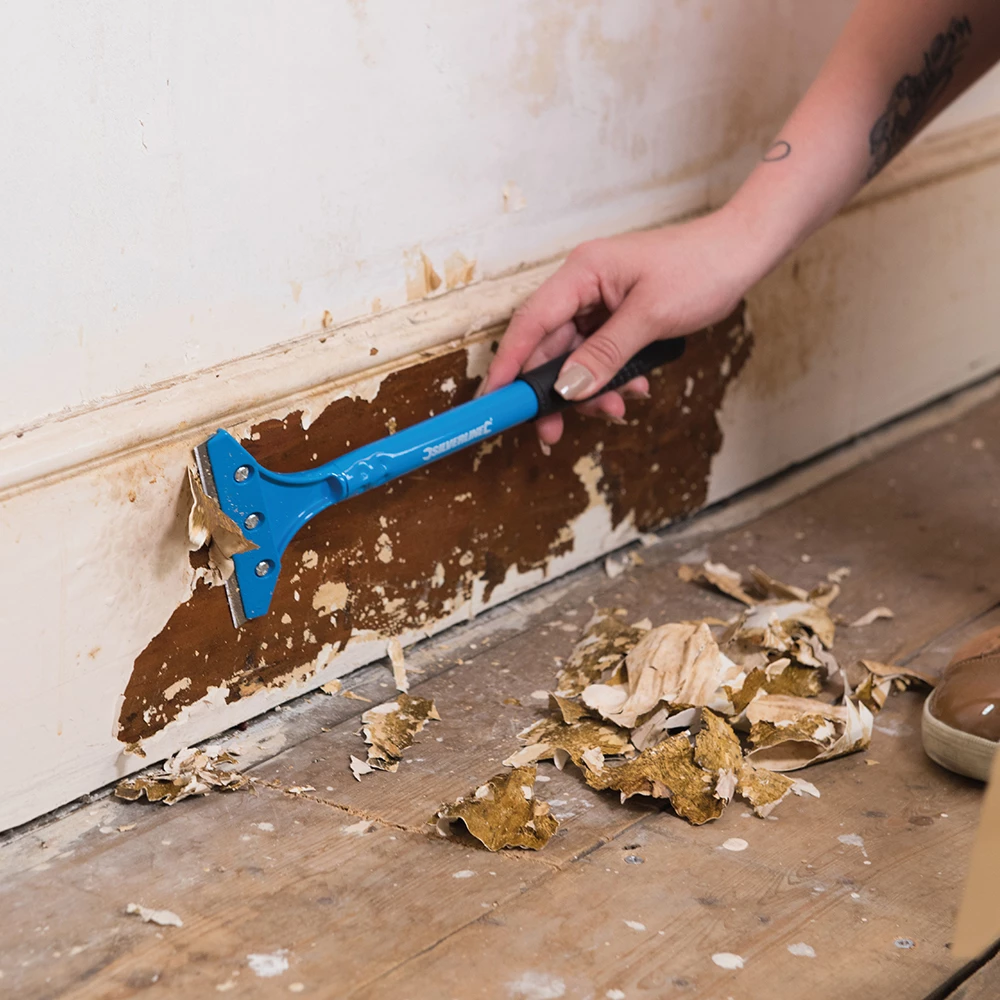
Use appropriate scraping or separation techniques to recover resin from the treated shredded material. Begin with manual methods—gloved hands or tweezers—to remove the bulk, and then employ a scraper for stubborn or hardened deposits. A dedicated tool such as the Heavy Duty Scraper for Paint and Epoxy Resin Removal allows precise removal from solid surfaces or equipment. Always wear gloves and eye protection during this step to protect against sharp edges and chemical exposure.
Work in small sections to prevent mixing in contaminants, and collect the recovered resin in a clean container for further processing or disposal as required.
Step 4: Final Clean-Up and Safe Handling
Once the extraction is complete, check all tools and surfaces for remaining residue. Wipe down with pure isopropyl alcohol (Pure Isopropyl Alcohol 99.9%) to ensure a clean, residue-free finish. Avoid using metal tools on delicate surfaces to prevent accidental damage. Dispose of any waste or contaminated solvent according to local regulations.
For ongoing maintenance or to remove stubborn residue, repeat degreasing and wiping steps as needed. Ensure all material is thoroughly dry before storing or using recovered resin.
Tips and Common Mistakes in Resin Extraction
To avoid accidental mixing, always segregate different resin types before extraction. Test a small area first when using solvents to verify compatibility and minimise risk of surface damage. Never rush evaporation or ignore safety equipment—personal protection and patience ensure better outcomes.
Remove as much physical residue as possible before resorting to chemical solutions, as excessive solvent use may dilute or waste valuable resin. Label and store solvents away from heat sources and open flames, and remember to thoroughly ventilate the area after use.
Best Practices for Resin Clean-Up
Timely cleaning after extraction prevents hardened residue securing to your tools and workspace. Rinse and wipe down all implements with a suitable solvent or natural degreaser, and dry completely before storage to maintain tool longevity.
- Pure Isopropyl Alcohol 99.9% – 1000ml Bottle for Epoxy Resin Projects & DIYPrice range: £10.45 through £20.95Pure Isopropyl Alcohol 99.9% in a 1000ml bottle is suitable for epoxy resin projects and supports removal of bubbles and creative resin effects.
- Strong Technical Degreaser for Resin Projects – 100% Natural FormulaOriginal price was: £10.95.£9.45Current price is: £9.45.Strong Technical Degreaser is a natural liquid cleaner suitable for removing grease and residues in resin projects under the theme of How to extract…
- Heavy Duty Scraper for Paint and Epoxy Resin Removal£8.95Heavy Duty Scraper is a versatile tool designed for effective removal tasks, suited to the theme 'How to extract resin from shredded material?'.
Frequently Asked Questions
Which solvents are best for extracting resin from shredded material?
High purity isopropyl alcohol is commonly used for dissolving epoxy resin from shredded material. Always choose a solvent suitable for the resin type.
How do I avoid contaminating my recovered resin?
Use clean containers, wear gloves, and avoid introducing dust or debris when extracting and collecting resin.
Can I reuse resin recovered after extraction?
Reused resin may have altered properties. It can be suitable for non-critical or practice projects if it remains uncontaminated.
How can I safely clean tools after resin extraction?
Wipe tools with isopropyl alcohol or a mild degreaser, then dry thoroughly before storing or reuse.
What personal protective equipment is recommended?
Wear protective gloves, safety glasses, and ensure proper ventilation while handling solvents and processed resin.
How do I dispose of waste after resin extraction?
Follow local hazardous waste guidelines for disposable solvents and contaminated materials. Never pour solvents down the drain.