 Free shipping on orders over £29,85
  Shipping Tracking!


 Google
 Facebook
How to Dispose of Epoxy Glue?
A step-by-step guide for safe and eco-friendly disposal methods


Proper disposal of epoxy glue is crucial for both personal safety and environmental protection. Whether you are dealing with leftover liquid, cured residues, or cleaning tools, following these steps will ensure you minimise harm and adhere to legal requirements.
What You’ll Need
- Pure Isopropyl Alcohol 99.9% – 1000ml Bottle for Epoxy Resin Projects & DIY – for cleaning wet epoxy from surfaces and tools
- Strong Technical Degreaser for Resin Projects – 100% Natural Formula – for gentle, effective cleaning of cured resin from tools
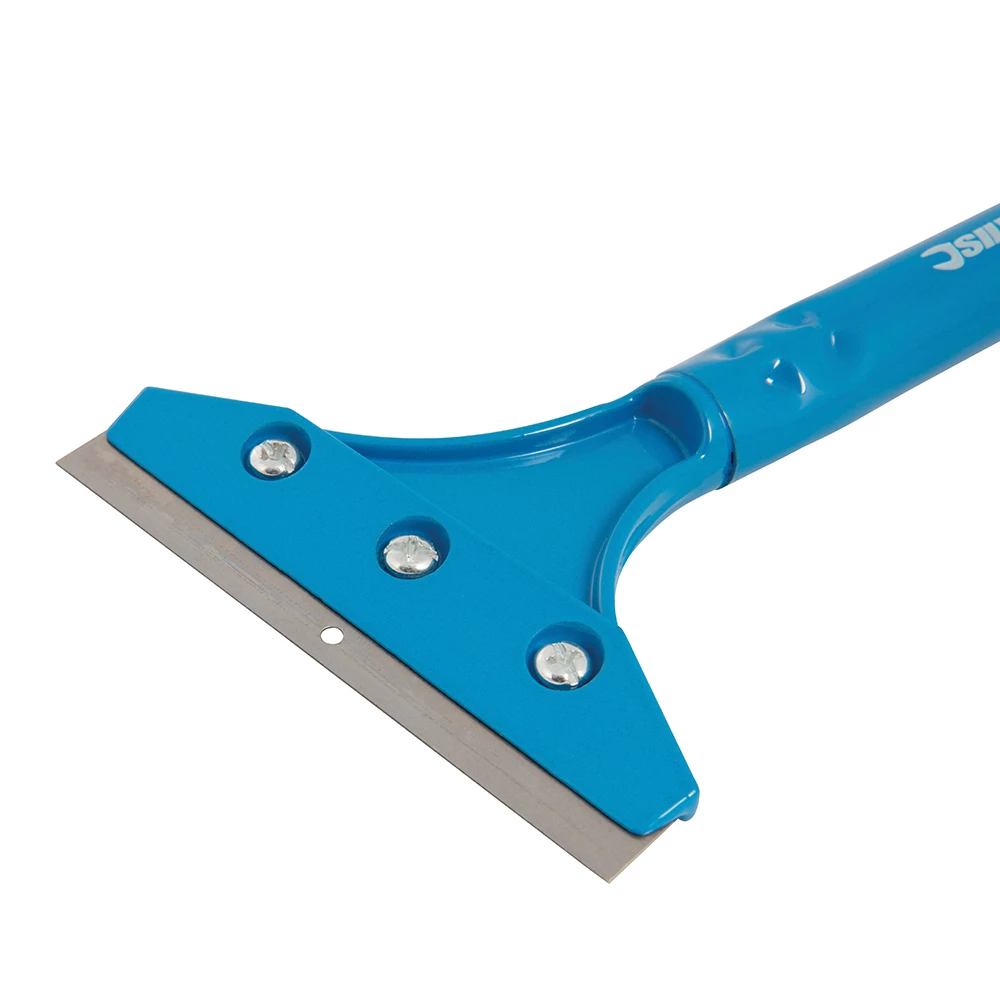
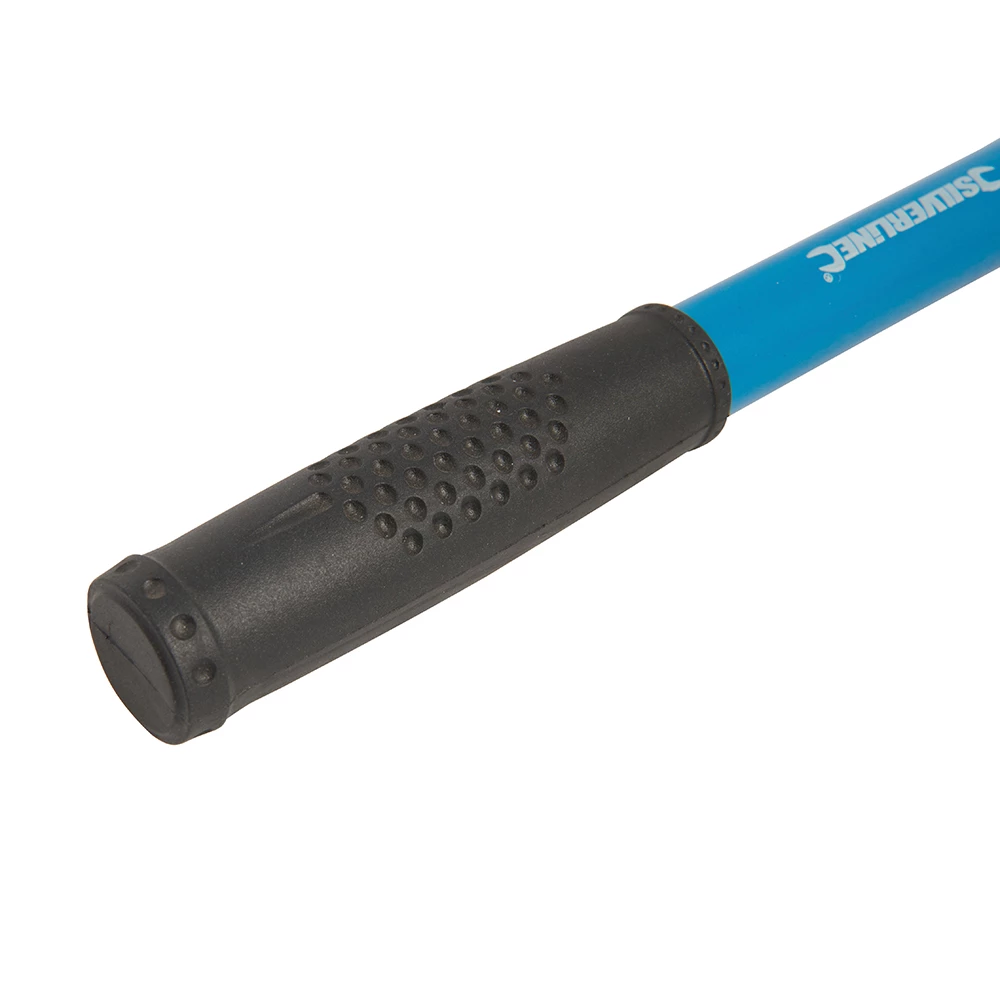
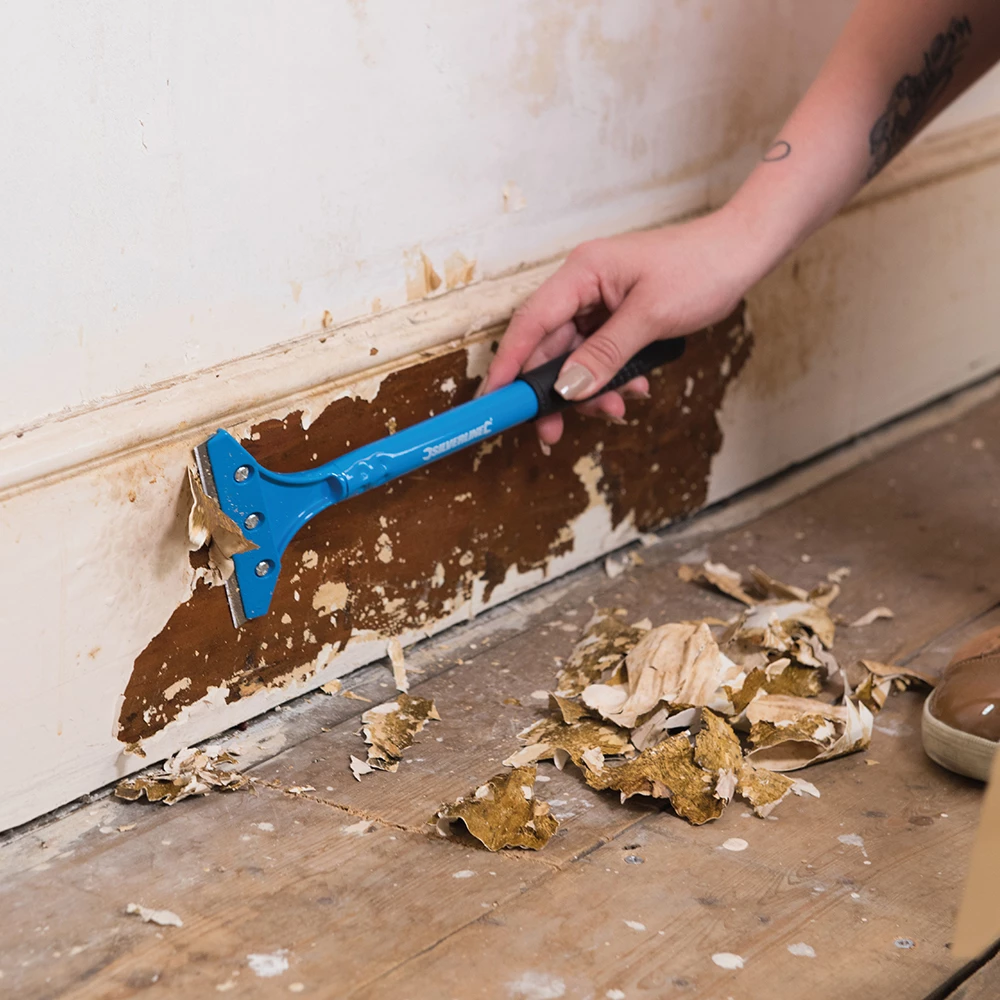
- Heavy Duty Scraper for Paint and Epoxy Resin Removal – for safely removing cured epoxy glue from hard surfaces
- Disposable gloves, protective eyewear, paper towels or rags, sealable waste containers

Why Proper Epoxy Glue Disposal Matters
Improper disposal of epoxy glue can harm waterways and wildlife. Safe disposal protects the environment and prevents costly drainage blockages or soil contamination. Always follow official guidance for hazardous waste and use appropriate products for safe handling and clean-up.
Step 1: Identify the State of the Epoxy Glue
Begin by checking whether the epoxy glue is still liquid or already cured. Disposal procedures differ significantly based on this. Liquids pose a higher risk to the environment and require special care, while fully cured epoxy is less hazardous. Segregate any unused mixed glue, leftover resin, or hardener for proper handling.
Step 2: Handle and Dispose of Liquid Epoxy Glue
Never pour liquid epoxy glue down the drain or in household waste. Epoxy glue in its liquid or uncured state contains chemicals that can be hazardous to water supplies and wildlife. Wear gloves and safety glasses before handling. If you have leftover liquid or mixed epoxy, contact your local waste disposal facility for advice on hazardous household waste collection. Store the waste in a sealed, clearly labelled container until collected.
Step 3: Cure or Harden Leftover Epoxy Before Disposing
If uncertain about facilities for hazardous waste, the safest option is to let any remaining epoxy glue fully cure. Pour unused glue onto a disposable, non-absorbent surface and leave it undisturbed until it hardens completely. Allow unused epoxy glue to fully cure before disposal, as cured epoxy is inert and can generally be disposed of with normal household waste (always check local guidance). Never burn or incinerate cured epoxy glue.
Step 4: Clean Tools, Surfaces, and Spills
For wet epoxy residues on tools or work surfaces, promptly wipe up excess and use an appropriate cleaning agent while still wet. Pure Isopropyl Alcohol 99.9% is highly effective for dissolving fresh resin residues; ensure you ventilate the area well during use. For stubborn or cured spots, the Strong Technical Degreaser helps lift built-up resin without harsh solvents. On hard surfaces, a Heavy Duty Scraper aids in removing tough, dried spots—always use with care to avoid scratching the substrate.
Step 5: Dispose of Cleaning Materials and Follow-Up
Any paper towels, rags, or gloves used to wipe up epoxy glue should be allowed to dry thoroughly in a safe area, then placed in a sealed bag for disposal. Ventilate your workspace when using solvents or cleaning agents and check local regulations regarding hazardous household waste. Clean your hands and tools thoroughly after use, ensuring all residues are fully removed to prevent environmental contamination.
Tips and Common Mistakes in Epoxy Glue Disposal
Always plan your project to minimise leftover epoxy. Only mix as much glue as you need, and work in a well-ventilated space to reduce exposure to fumes during clean-up. Using quality cleaning agents and scrapers helps reduce the risk of environmental release. Never burn, flush, or casually bin uncured epoxy. If in doubt about local guidelines, contact your council for disposal advice.
Eco-Friendly Alternatives and Resource Links
Minimise epoxy glue waste by planning your mixtures and preserving tools for long-term use. Many cleaners and scrapers are designed for repeated use, reducing single-use waste. Visit our Accessories for Resin page for durable options that help you work cleaner and greener.
- Pure Isopropyl Alcohol 99.9% – 1000ml Bottle for Epoxy Resin Projects & DIYPrice range: £10.45 through £20.95Pure Isopropyl Alcohol 99.9% is suitable for epoxy resin projects and cleaning tasks related to resin crafting.
- Strong Technical Degreaser for Resin Projects – 100% Natural FormulaOriginal price was: £10.95.£9.45Current price is: £9.45.Strong Technical Degreaser is a natural, gentle cleaner suitable for various surfaces including those involved in epoxy resin projects.
- Heavy Duty Scraper for Paint and Epoxy Resin Removal£8.95The Heavy Duty Scraper is designed for comfortable, precise removal of paint and epoxy resin, suitable for various renovation tasks.
Frequently Asked Questions
Can I pour epoxy glue down the drain?
No, liquid or uncured epoxy glue should never be poured down the drain as it can harm the environment and block plumbing.
Is cured epoxy glue considered hazardous waste?
Fully cured epoxy is generally inert and can be disposed of with normal household waste, but always check local guidelines.
How do I clean epoxy glue from tools?
Use isopropyl alcohol or a suitable degreaser for wet glue, and a heavy duty scraper for cured resin residues.
How do I harden unused epoxy before disposal?
Spread unused epoxy onto a disposable surface and let it fully cure before placing in general waste, as instructed.
What PPE should I use for epoxy glue disposal?
Wear disposable gloves, protective eyewear, and work in a ventilated area to avoid skin and eye contact.
How should I dispose of epoxy glue cleaning rags?
Let used rags dry completely, seal them in a bag, and follow local rules for disposing of chemical wastes or contaminated materials.