 Free shipping on orders over £29,85
  Shipping Tracking!


 Google
 Facebook
How do you remove resin from wood?
Restore wood by removing cured resin without damage


Removing resin spills or residues from wood requires the right approach to avoid damaging the underlying material. This guide will walk you through proven, practical steps for safely and efficiently removing resin from wood, whether the resin is fully cured or just partially set. With careful technique, you can restore your wooden surfaces to their natural beauty while minimising the risk of scratches or marks.
What You’ll Need
- Scraper for Paint & Dry Resin Removal – 10 Double-Sided Blades: Manual tool for safely scraping hardened resin from smooth wood surfaces.
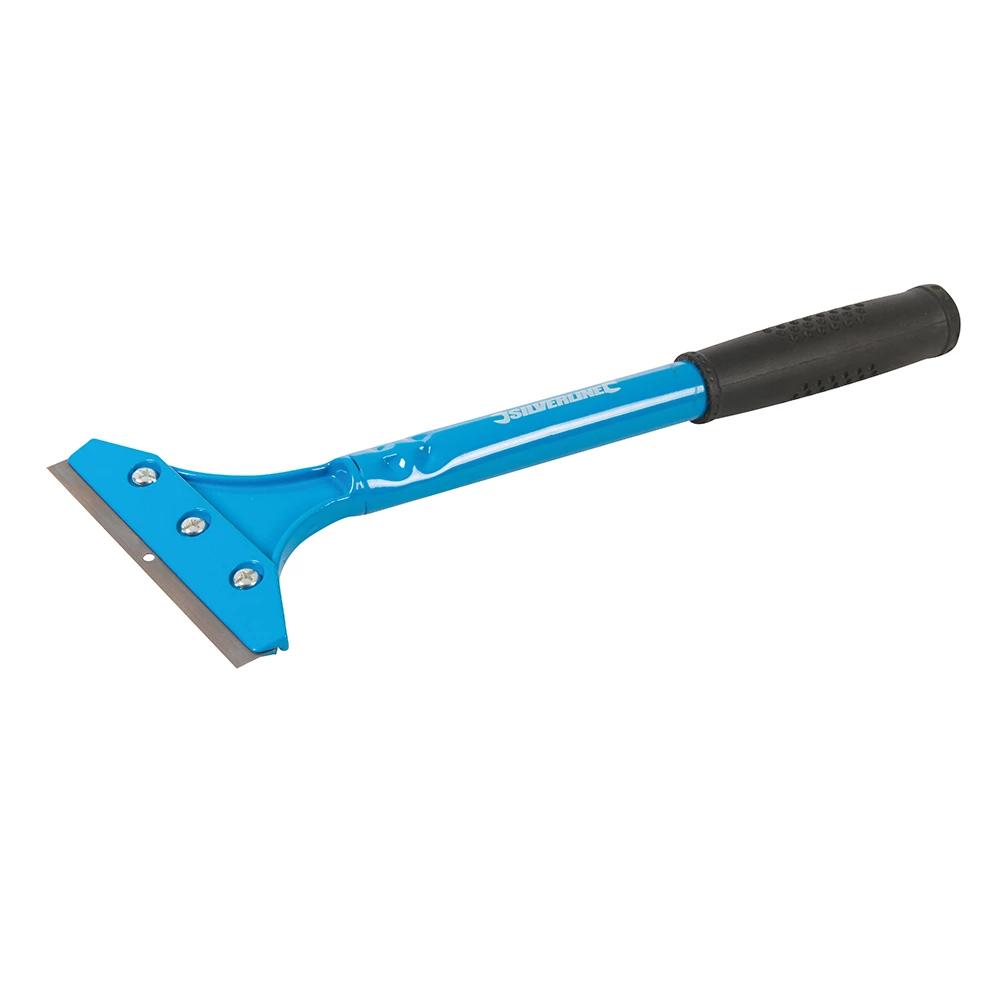
- Heavy Duty Scraper for Paint and Epoxy Resin Removal: For more stubborn resin spots or textured areas.
- Gas Heat Gun for Epoxy Resin – Precision Tool for Bubble Removal and Finishing: Useful for applying controlled heat to soften resin slightly for scraping.
- 1500W Heat Gun for Crafting and Epoxy Resin Projects – Two Heat Settings: Provides additional heat for stubborn or thick resin, especially on larger areas.
- Clean, soft cloths
- Protective gloves and eye protection for safety

Essential Tools in Action
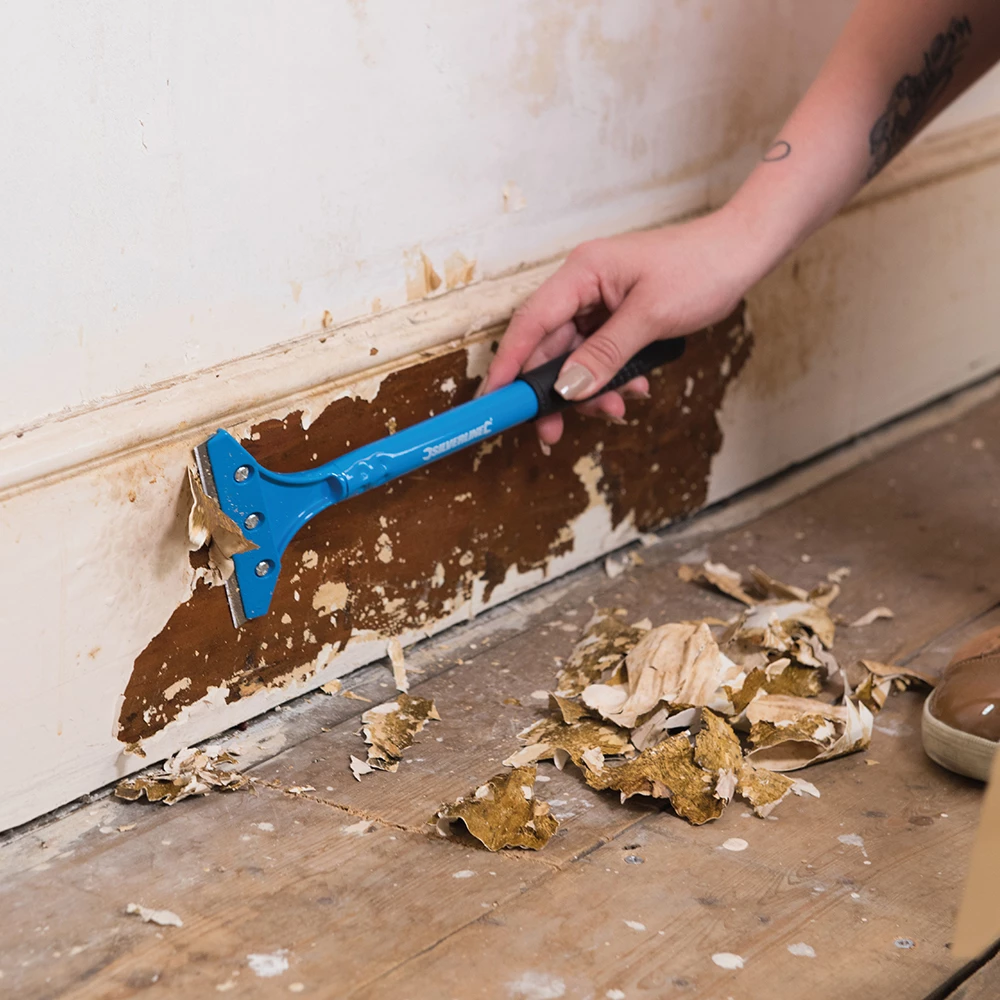
See how manual scraping and heat tools efficiently remove resin from wooden surfaces. Using the right scraper and heat gun can prevent accidental wood damage and streamline the process. Proper tools make a noticeable difference in both speed and finish quality.

Step 1: Assess the Surface and Plan Your Approach
Begin by carefully inspecting the affected wooden surface. Identify whether the resin is fully cured, loosely attached, or pooled in layers. For delicate or antique wood, opt for gentler methods to avoid possible harm. Consider the surface finish—bare, varnished, or painted wood may all respond differently. Make sure the area is clean of dust or loose debris that could cause scratches during removal.
Arrange your workspace with good lighting and ensure adequate ventilation, especially if you will use heat tools. Wear eye protection and gloves as a general safety measure.
Step 2: Remove Excess Resin Manually
The most effective way to start is by gently scraping away as much of the resin as possible. Hold your scraper at a low angle, applying steady but gentle pressure. Begin with broader, shallower strokes and gradually work closer to the wood. Take care to protect the finish underneath—the goal is to lift away resin, not remove layers of timber.
For flat or smooth areas, a Scraper for Paint & Dry Resin Removal – 10 Double-Sided Blades is ideal due to its precise edge and stable grip. For thicker or tougher sections, upgrade to the Heavy Duty Scraper for Paint and Epoxy Resin Removal for increased control. In all cases, work methodically and avoid excessive force.
Step 3: Apply Controlled Heat for Stubborn Spots
If patches of resin remain stubbornly attached, applying gentle heat can soften the residue and make it easier to remove. Select a lower heat setting to reduce the risk of scorching the wooden surface. Move the heat gun in slow, sweeping motions roughly 10–15 cm above the resin patch, keeping it in constant motion to distribute heat evenly.
The Gas Heat Gun for Epoxy Resin – Precision Tool for Bubble Removal and Finishing or the 1500W Heat Gun for Crafting and Epoxy Resin Projects – Two Heat Settings both offer reliable options. Once the resin becomes softened, promptly switch back to your scraper and lift away the residue in thin layers. Always let the heated area cool before further sanding or refinishing steps.
Step 4: Clean Residues and Inspect
After removing all visible resin, wipe down the surface with a clean, dry cloth to collect any fine dust or loosened chips. Inspect the wood for any leftover resin, feeling for stickiness or visual remains. Repeat the manual scraping and heating process in targeted patches as necessary. Finally, allow the wood to rest and air out before applying any new finish or protective coating.
Tips and Common Mistakes to Avoid
Manual scrapers are ideal for removing dry resin from wood. Always work gently to avoid gouging or scratching the wood. Work in a well-ventilated area and use eye protection as needed.
Heat softens resin for easier scraping but can also damage finishes if misused. Always keep the gun moving and check the heat response on a small section first. Test in an inconspicuous area before committing to a full surface.
If working with antique or sensitive wood, consult a restoration expert before proceeding, as some treatments may react differently to heat or manual tools.
Before and After Resin Removal
Experience the transformation of wood surfaces restored after effective resin removal. Notice the difference proper technique and the right solutions can make to the clarity and smoothness of your timber projects.

- Scraper for Paint & Dry Resin Removal – 10 Double-Sided Blades£4.95A tool with 10 double-sided blades designed for paint and dry resin removal on smooth surfaces.
- Heavy Duty Scraper for Paint and Epoxy Resin Removal£8.95Heavy Duty Scraper is a lightweight tool designed for removing paint and resin with a razor-sharp blade and easy-grip steel shaft.
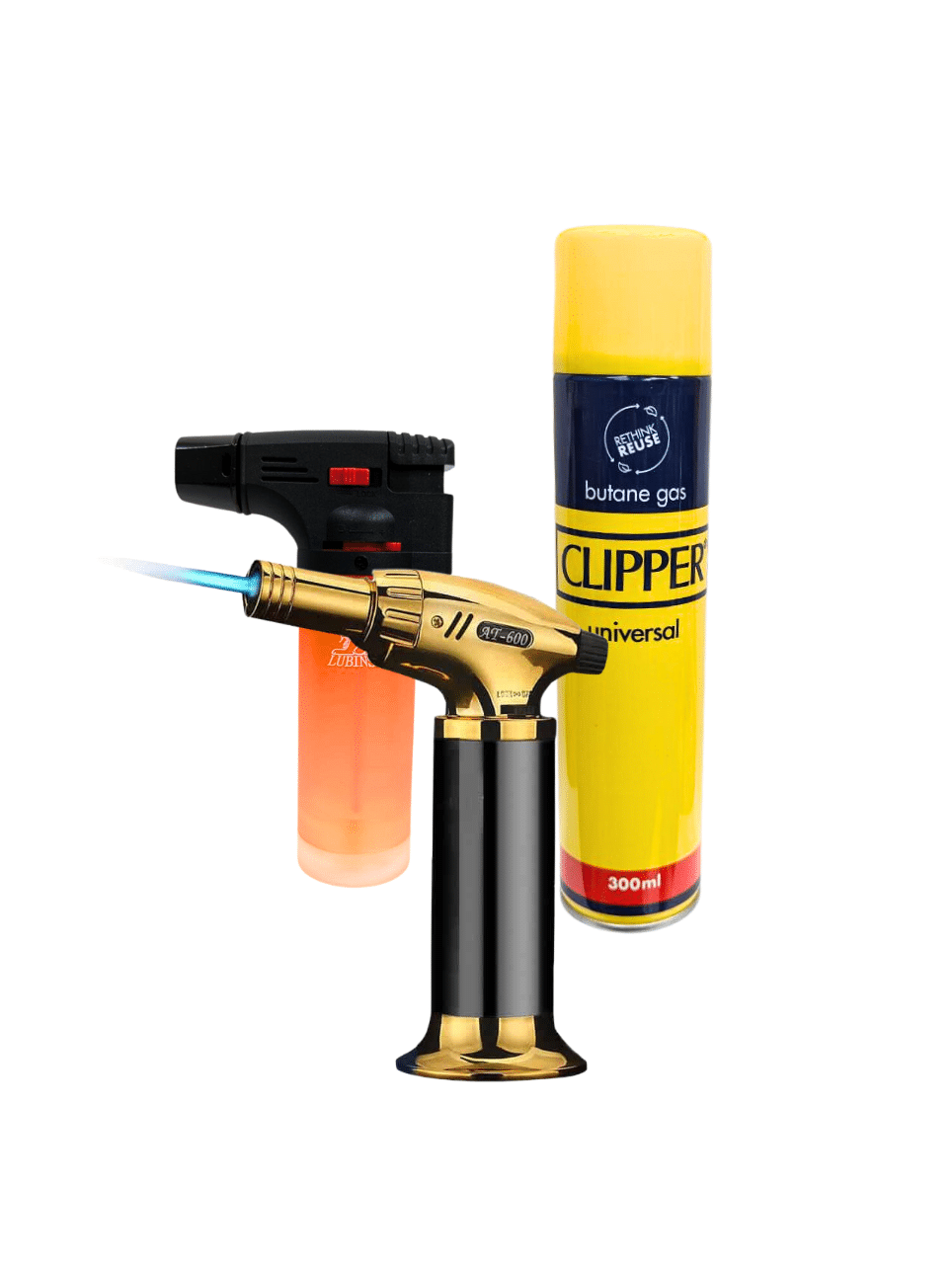 Gas Heat Gun for Epoxy Resin – Precision Tool for Bubble Removal and FinishingPrice range: £4.45 through £14.95The Gas Heat Gun offers precision heating to reduce bubbles and improve finish, suitable for epoxy resin projects aligned with practical resin…
 1500W Heat Gun for Crafting and Epoxy Resin Projects – Two Heat Settings£29.45The 1500W Heat Gun supports epoxy resin projects by aiding bubble removal and shaping with two heat settings.
Frequently Asked Questions
What tool is best for manual resin removal from wood?
A scraper with a replaceable blade is effective for gently lifting hardened resin from wood without damaging the surface.
Is it safe to use heat to remove resin from wood?
Yes, applying gentle heat can soften resin for removal. Keep the heat moving to avoid scorching or damaging the wood.
How do I remove resin from delicate or painted wood?
Use a gentle scraper and test in an inconspicuous spot. Avoid excess pressure and keep heat low to protect finishes.
Should I repeat the heating and scraping process if resin remains?
Yes, repeat in small sections as needed, but allow wood to cool between attempts to prevent any risk of heat damage.
Can resin be removed from grooved or textured wood surfaces?
Manual scraping works best on flat areas. For grooves, use careful application of heat and smaller scraper edges for precision.
How should I prep wood after resin removal?
Wipe away dust, let the area cool, and inspect for residue before refinishing, painting, or applying protective coatings.
What tools work for thick resin removal from wood?
A heavy duty scraper and controlled heat (such as a heat gun) can help soften and lift thicker resin layers safely.