 Free shipping on orders over £29,85
  Shipping Tracking!


 Google
 Facebook
← Back to What to Do if the Split Resin?
Epoxy resin is valued for its clarity and strength, but cracks or splits can sometimes appear during or after curing. Understanding the typical causes is key to preventing these frustrating flaws in your resin projects.
Common Causes of Splitting and Cracking
Splitting or cracking in epoxy resin is often traced to issues such as over-pouring thick layers in one go, incorrect mixing ratios, or temperature stress. Large pours tend to build up excessive heat, leading to rapid curing and internal tension, which may result in breaks or cracks. Failing to mix the resin and hardener thoroughly can leave uncured spots, undermining structural integrity. Changes in temperature—like working in a chilly garage or moving a freshly poured project into bright sunlight—can also create stress and lead to splitting.
Practical Tips to Prevent Resin Splitting
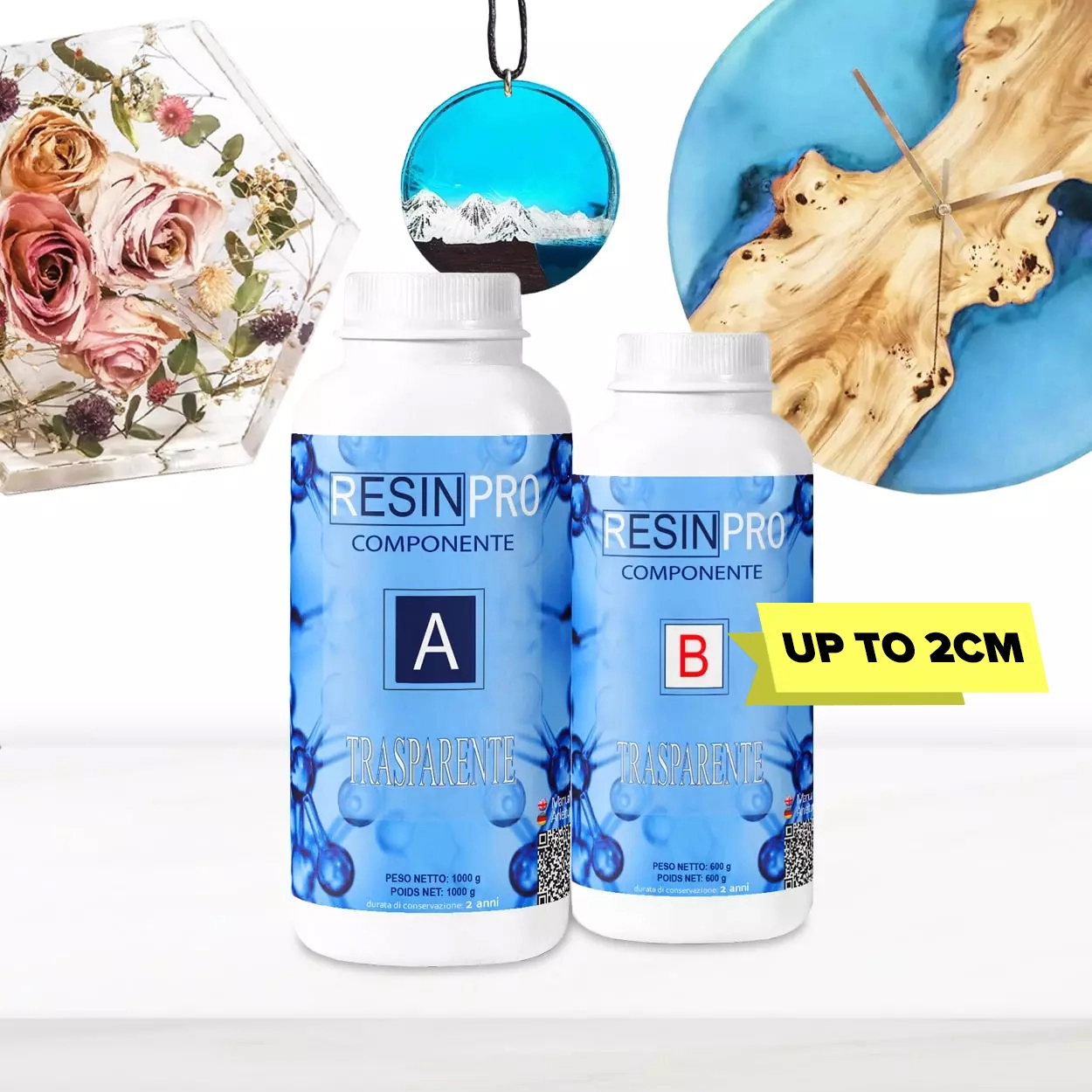
- Follow recommended pour thickness: Many resins, such as “Trasparente” Multipurpose Clear Epoxy, are designed for layers up to about 2 cm. Working in stages with thinner layers helps avoid overheating.
- Ensure careful mixing: Always mix resin and hardener slowly and thoroughly, taking care to reach the sides and bottom of the mixing vessel for even curing.
- Control your environment: Keep your workspace at a stable temperature, avoiding cold drafts or direct sunlight while the resin sets.
When This Matters Most
The risk of cracking increases with ambitious projects involving thicker castings, such as tabletops or deep art pieces. Using resins formulated for your intended layer thickness—like “Icrystal” for layers up to 1.5 cm or “Art Pro” for surface coatings—minimises these risks and helps maintain a flawless finish.
Related products
Related guides
By understanding the causes of splits and cracks, you can choose the right resin and employ best practices to achieve seamless, durable results. For more troubleshooting advice, return to our parent guide on split resin.