 Free shipping on orders over £29,85
  Shipping Tracking!


 Google
 Facebook
How do you resin the keel bulb to the hull?
Step-by-step guide for a durable keel-to-hull bond


Attaching the keel bulb to the hull with resin is a vital step in boat construction or repair, creating a lasting and watertight bond. This guide explains each stage of the process, ensuring your keel bulb is securely and safely fixed for marine use, whether you are an enthusiast or a professional boatbuilder. By following best practices, you will achieve a robust, reliable connection essential for safety and performance at sea.
What You’ll Need
- “Carbon Resin” – Epoxy Resin for Carbon Fiber & Fiberglass Coating – ideal for marine composites and structural integrity
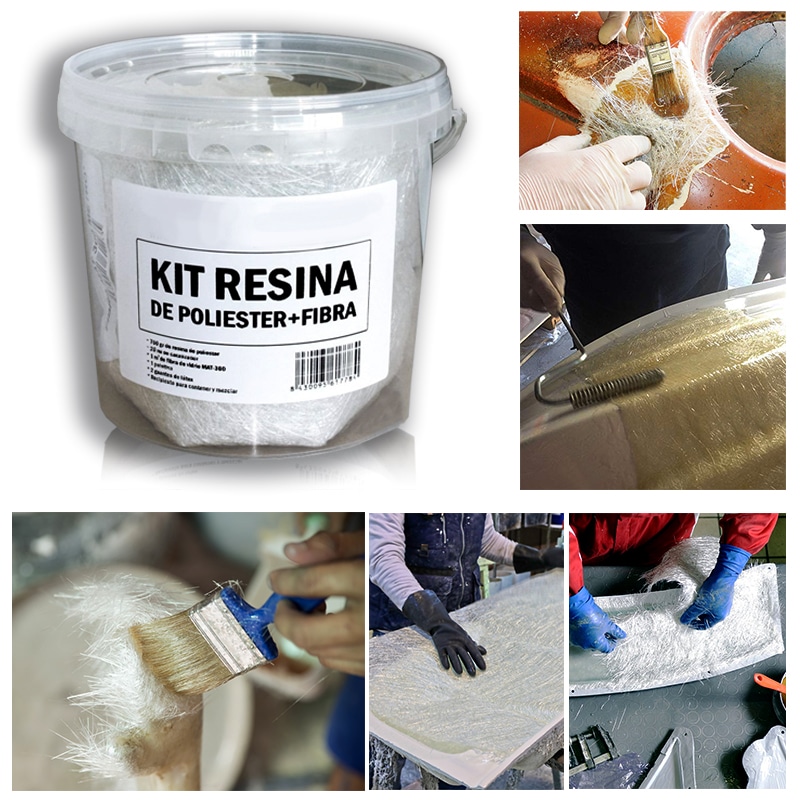
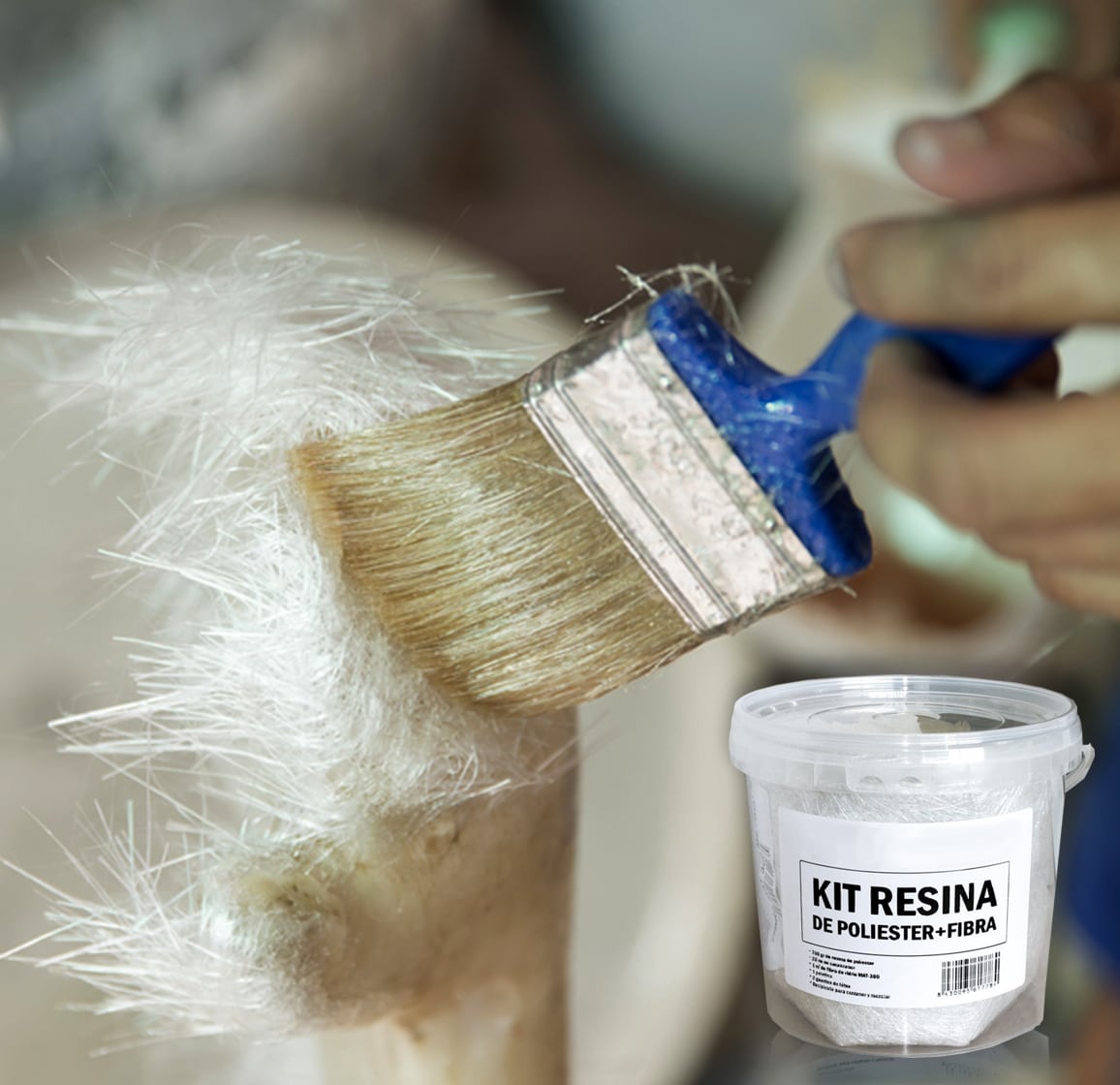
- Resin Fibreglass Repair Kit – Complete Polyester Resin and Hardener Set – for structural repairs with fibreglass mat
- Protective gloves, mixing containers, and application brushes
- Sandpaper and acetone or surface degreaser (for surface prep)
- Clamps or weights (to hold the bulb in position while curing)

Visual Tools & Preparation Examples
See diagrams and detailed visuals illustrating keel bulb surface preparation, sanding techniques, and the recommended arrangement of clamps or weights for even pressure during curing.

Step 1: Prepare the Surfaces
Proper surface preparation ensures maximum adhesion. Begin by thoroughly cleaning both the keel bulb and the hull attachment area. Remove dirt, old paint, rust, and any grease using sandpaper or a wire brush, followed by an appropriate degreaser like acetone. The surfaces should be dry, dust-free, and slightly roughened for the best mechanical grip.
This step prevents contamination and allows the resin to bond directly with the materials, rather than with any residue or previous coatings.
Step 2: Mix and Prepare the Resin
Thorough resin mixing prevents weak bonds and incomplete curing. Select the most appropriate resin for marine assembly. For optimal composite strength and fibre integration, many boatbuilders use a dedicated marine epoxy such as “Carbon Resin” – Epoxy Resin for Carbon Fiber & Fiberglass Coating. Precisely follow the resin’s mixing instructions, paying close attention to ratios and mixing time to produce a uniform solution free of unmixed streaks or bubbles.
Only prepare enough resin to use within the product’s working window to avoid premature hardening.
Step 3: Apply the Resin and Position the Bulb
Controlled application achieves even, gap-free bonding. Apply the mixed resin generously to both the mating surfaces. Use a brush or spatula to ensure an even coating, pressing resin into any micro-cavities or texture for a comprehensive seal. If using a product like Resin Fibreglass Repair Kit – Complete Polyester Resin and Hardener Set, you can also apply fibreglass matting for extra reinforcement, following the included instructions for laying and saturating the mat.
Carefully align and press the keel bulb onto the hull. Use clamps or weights to maintain steady pressure and positioning during curing, avoiding any displacement or gaps.
Step 4: Allow for Full Curing and Inspect the Bond
Adequate curing time is critical for structural integrity. Leave the assembly undisturbed for the full curing time specified by your chosen resin. Ambient temperature and humidity can affect curing speed, so check product guidelines and environmental conditions closely. Once cured, inspect the joint for any missed spots, voids, or areas needing touch-up.
Do not put the structure under load or into service until the resin has completely set and achieved its final strength.
Tips and Common Issues When Resining a Keel Bulb
Working in small, manageable sections helps avoid premature curing and ensures good coverage. Always wear gloves and ventilate your workspace. Apply even pressure when affixing the bulb, and use only as much resin as needed to fill the joint without excessive runs. Common mistakes include under-mixing the resin, securing surfaces insufficiently, and not allowing full curing time – each of which can compromise the final result.
Common Bonding Mistakes and Quality Control
Review photos of typical errors, such as poor resin mixing and insufficient surface cleaning, alongside examples of high-quality bonds and the results of professional finishing after resin cures.

- "Carbon Resin" – Epoxy Resin for Carbon Fiber & Fiberglass CoatingPrice range: £19.95 through £37.95Epoxy resin for carbon fibre and fibreglass designed for composites and technical fabrics with good impregnation and a glossy finish.
- Resin Fibreglass Repair Kit – Complete Polyester Resin and Hardener SetResin Fibreglass Repair Kit provides strong structural reinforcement with durable polyester resin suitable for boats and rigid surfaces.
 "Icrystal" – Clear Epoxy Resin – Odourless Formula – Up to 1.5cmPrice range: £12.45 through £341.45"Icrystal" is a transparent, odourless epoxy resin suitable for artistic and surface finishing projects in the resin application theme.
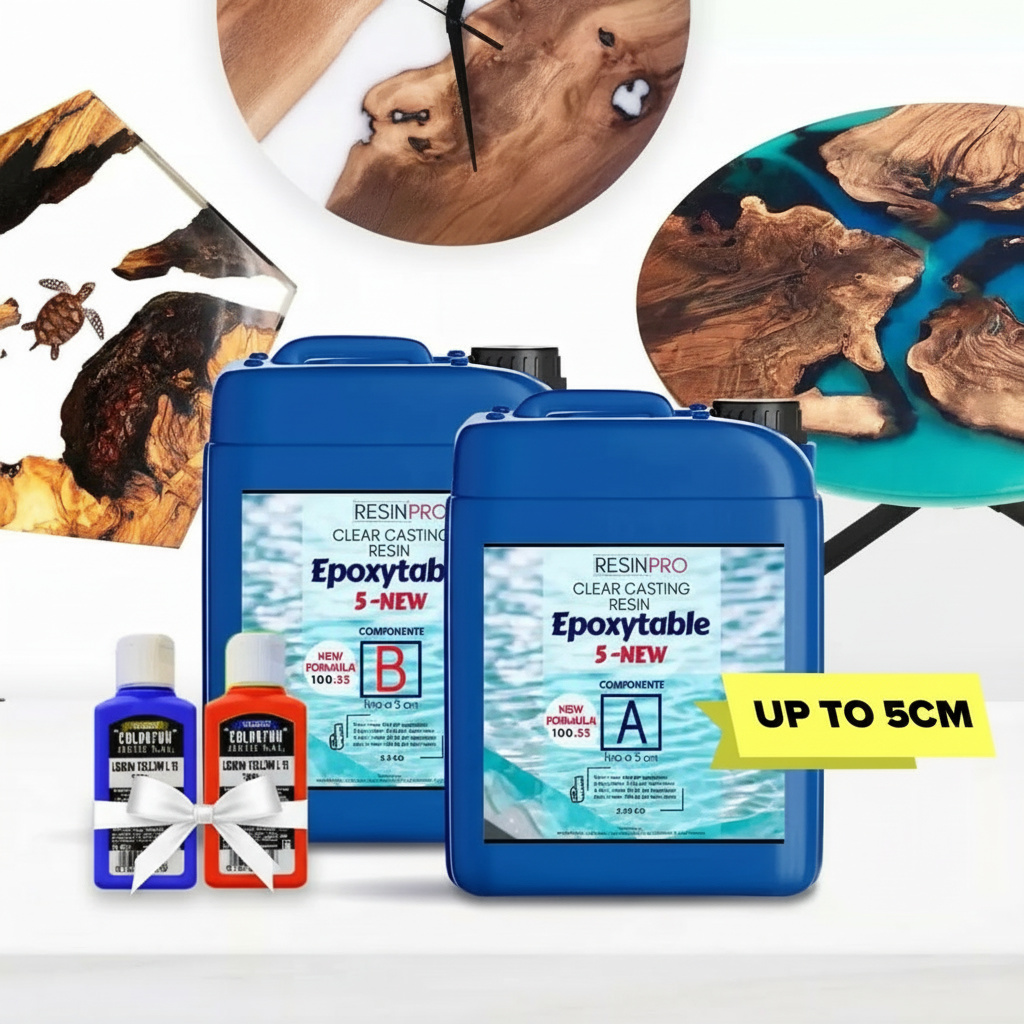 "EpoxyTable 5-Five" – Deep Pour Epoxy Resin for Tables and Large Projects – Up to 5cmPrice range: £17.95 through £1,154.95EpoxyTable 5-Five is designed for deep pour projects up to 5cm with mechanical resistance and UV filters.
Frequently Asked Questions
What type of resin is best for bonding a keel bulb to the hull?
A marine-grade epoxy resin such as 'Carbon Resin' is recommended for its bonding strength and compatibility with composites.
How long should I wait before using the boat after bonding?
Wait until the resin is fully cured as per the product's specifications. This often takes 24–48 hours at room temperature.
Can I use a fibreglass repair kit to secure a keel bulb?
Yes, especially if strengthening with a fibreglass mat is desirable for added structural support.
How should I prepare the hull and bulb surfaces before resining?
Clean, degrease, and abrade surfaces to maximise adhesion and prevent weak spots in the bond.
Are odourless epoxy resins suitable for boat repairs?
Yes, but ensure good ventilation and use gloves even with odourless products for safe handling.
Should I use fibreglass mat between the bulb and hull?
A fibreglass mat can add strength, particularly when used with polyester or epoxy resin systems.