 Free shipping on orders over £29,85
  Shipping Tracking!


 Google
 Facebook
How to repair a resin bathtub?
Step-by-step guide for fixing chips, cracks, and surface flaws

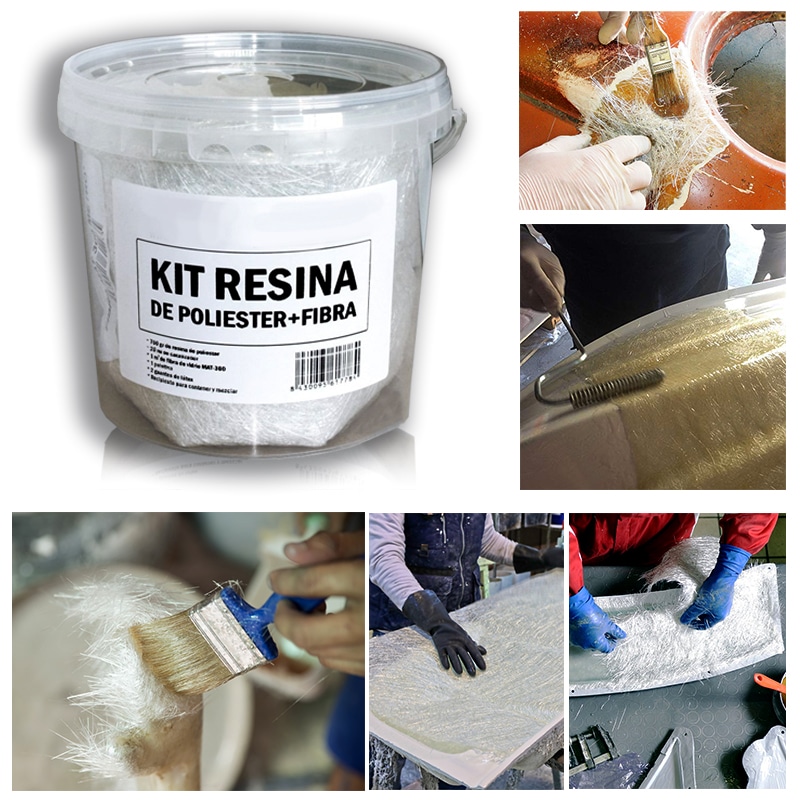
A damaged resin bathtub need not mean costly replacement. With the right tools and approach, you can repair chips, cracks, and surface imperfections for a finish that is both water resistant and durable. This guide covers effective techniques to restore your bathtub safely and with confidence—no specialist skills required.
What You’ll Need
- Strong Technical Degreaser for Resin Projects – 100% Natural Formula: A natural degreaser for safely preparing the repair area.
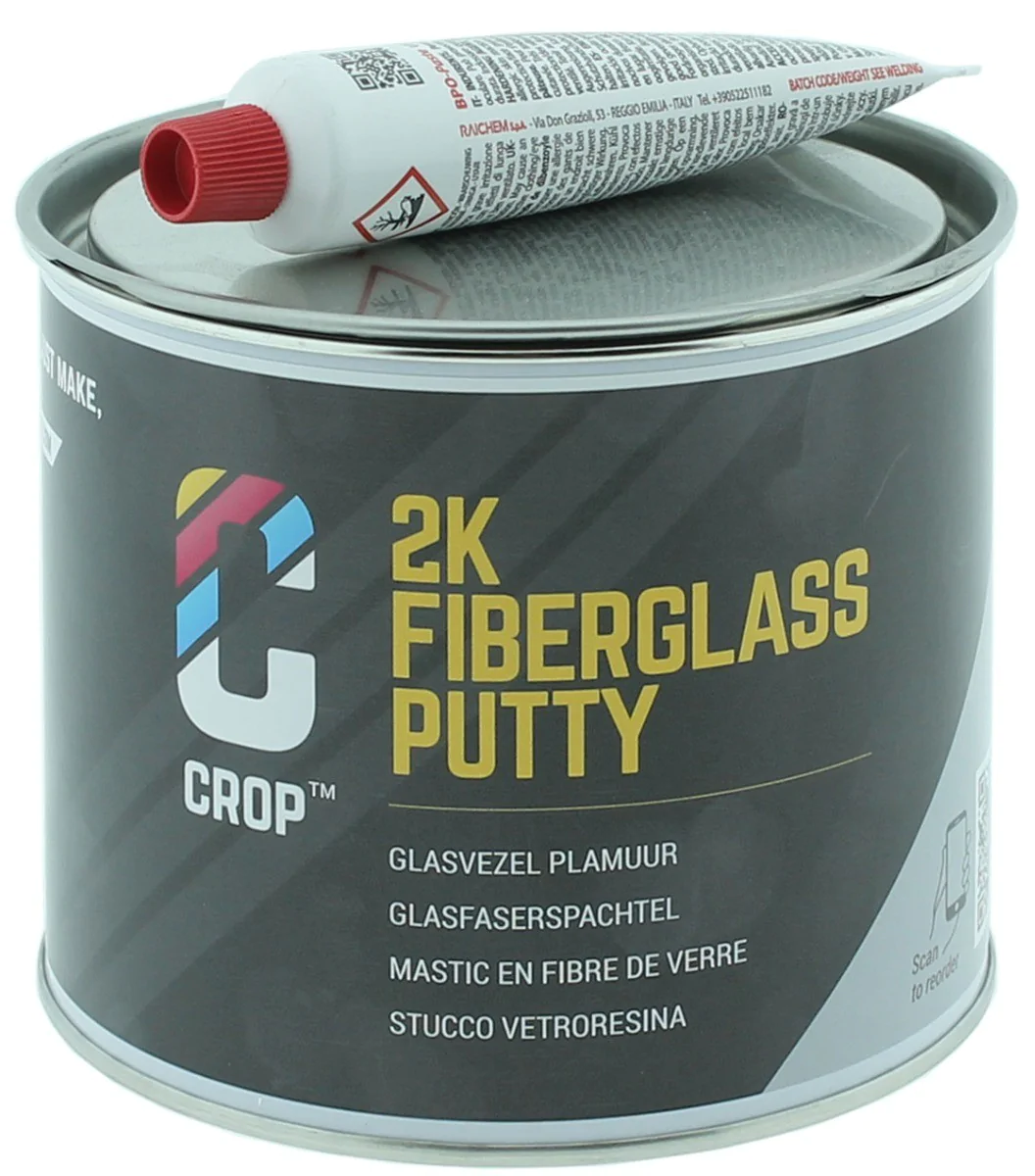
- CROP 2K Fiberglass Putty – 750 ml + Hardener: Ideal for filling cracks and deeper chips.
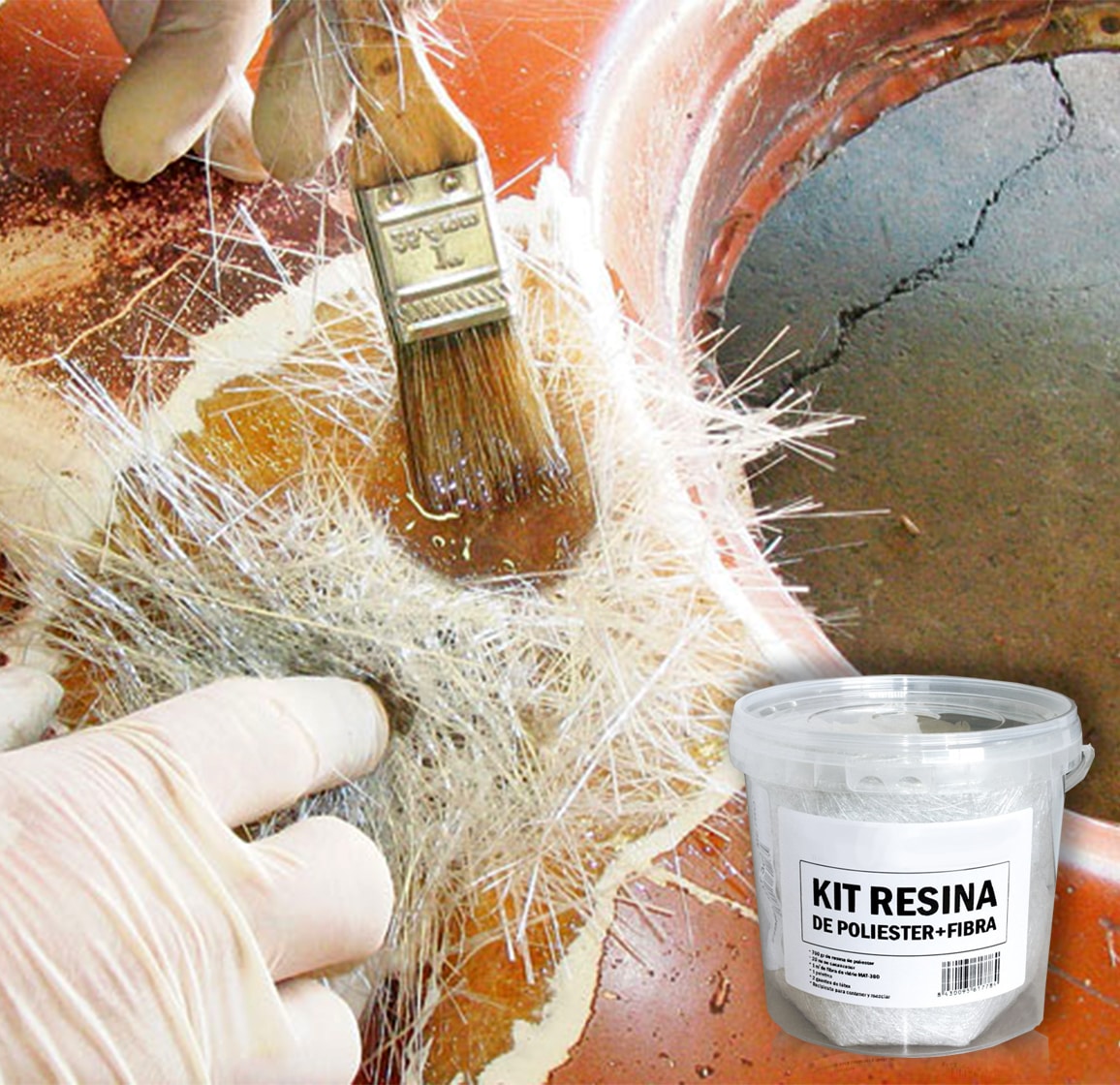
- Resin Fibreglass Repair Kit – Complete Polyester Resin and Hardener Set: For structural or larger area repairs.
- “Trasparente” – Multipurpose Clear Epoxy Resin for Casting – Up to 2cm: For clear, durable surface restoration or finishing coats.
- Sanding paper (medium and fine grit)
- Clean cloths and disposable gloves
- A putty knife or plastic applicator
- Protective mask and goggles (for dust and resin safety)
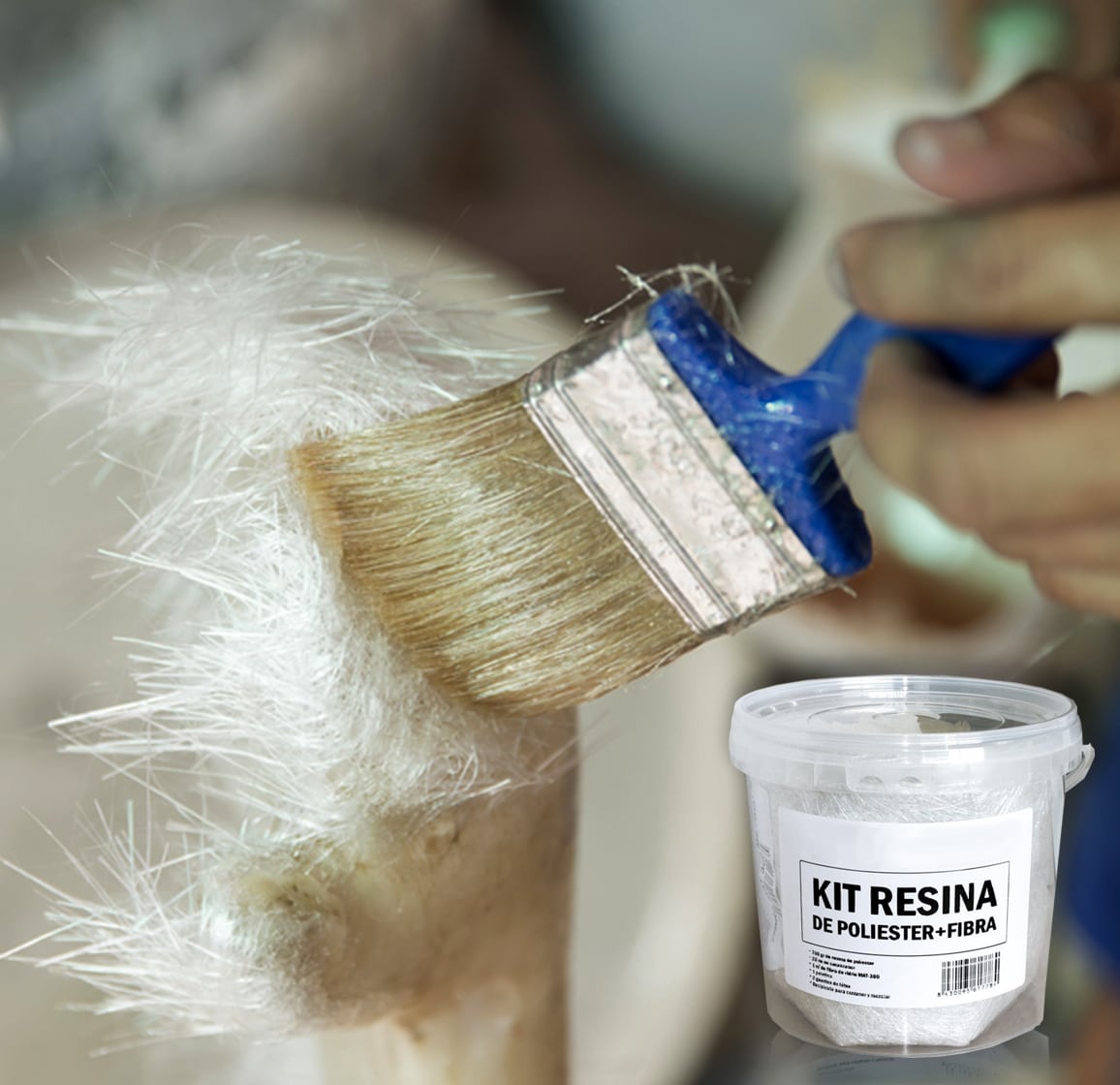
Essential Tools and Surface Preparation
Gather all necessary materials before you begin—it ensures a smooth repair process and reduces interruptions. Cleanliness is key to any successful bathtub repair, so take the time to set up in a well-ventilated area and clear space around the tub for easy movement.
Step 1: Prepare and Clean the Damaged Area
Start by inspecting the damaged section, ensuring it is clear of loose debris, soap residue, and any old repair attempts. Thorough cleaning is critical to ensure strong adhesion of new repair materials. Use a soft cloth, warm water, and if needed, a mild detergent. Rinse thoroughly and dry the surface completely before proceeding.
To achieve the best bond and prevent future issues, use Strong Technical Degreaser for Resin Projects – 100% Natural Formula to remove any lingering grease, oils, or silicone residues. Let the area air dry or wipe with a clean lint-free cloth after application.
Step 2: Sand and Prepare the Repair Zone
Gently sand the area around the chip or crack using medium-grit abrasive paper. This helps roughen the glossy resin surface, giving repair materials better purchase. Feather the edges of the damage to create a smooth transition between the old and new. Finish with a finer grit to remove sharp edges but avoid over-sanding, which might create unnecessary depressions.
Clean the area again after sanding to remove dust. Make sure all powder and residue are thoroughly cleared, as any remaining particles can weaken the repair.
Step 3: Fill Chips or Cracks with Repair Compound
For small to moderate cracks, chips, or cavities, mix the required amount of putty according to the product instructions. Using a putty knife or applicator, work the mixture firmly into the damaged zone. Aim to slightly overfill, as the repair material may shrink a little during drying. Allow the compound to cure fully before moving to the next step.
For best results on structural cracks or where water exposure is high, CROP 2K Fiberglass Putty – 750 ml + Hardener delivers a strong, moisture-resistant fill that sands to a smooth finish once cured.
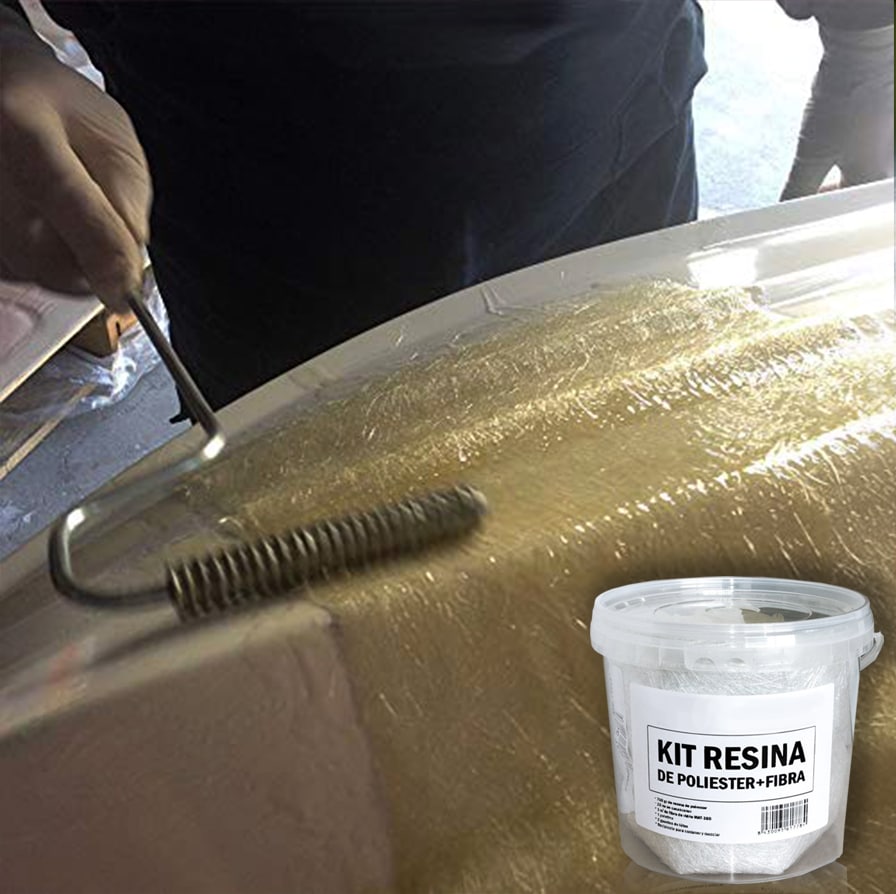
Step 4: Reinforce and Seal Larger Damaged Areas
In cases where cracks are extensive, or extra strength is needed (for example, on corners, the base, or structural weak points), apply a fibreglass resin repair kit. Follow all manufacturer instructions for mixing and apply the fibreglass mat with the resin mixture so it overlaps undamaged bathtub surface for a watertight, reinforced repair. Take care to work out air bubbles beneath the matting for maximum performance.
A Resin Fibreglass Repair Kit – Complete Polyester Resin and Hardener Set is excellent for addressing serious cracks, splits, or damage larger than minor chips.
Step 5: Sand and Finish the Repair
Once the filler or fibreglass body has fully cured (see product instructions for timings), sand back the repair with progressively finer grit paper. Work towards a finish flush with the surrounding bath surface, being careful not to dig into adjacent undamaged areas. Remove all dust before proceeding.
For a seamless appearance, especially on white or light-coloured bathtubs, finish with a thin layer of “Trasparente” – Multipurpose Clear Epoxy Resin for Casting – Up to 2cm. Apply with a clean brush or spreader, ensuring even coverage over the repaired section. This forms a crystal-clear, durable top coat with excellent resistance to water and everyday wear.
Tips and Common Mistakes
- Wear gloves, goggles, and a mask when sanding or using resin products to protect skin, eyes, and lungs from dust and fumes.
- Always allow sufficient drying time between each stage; curing times can vary depending on humidity and product used.
- If using coloured putty, ensure you colour-match for an invisible repair. For clear or white tubs, a clear top resin layer helps disguise repairs.
- Don’t rush or apply thick resin layers in one go—this can cause incomplete curing. Sand lightly between layers for the smoothest result.
- If in doubt, test your repair product on a hidden area first to confirm adhesion and appearance.
Achieving a Professional Finish
Patience pays off when restoring a resin bathtub. Carefully following each curing and sanding stage helps you avoid unsightly bumps or uneven patches. Consider applying a second thin resin layer for extra gloss and protection if needed.
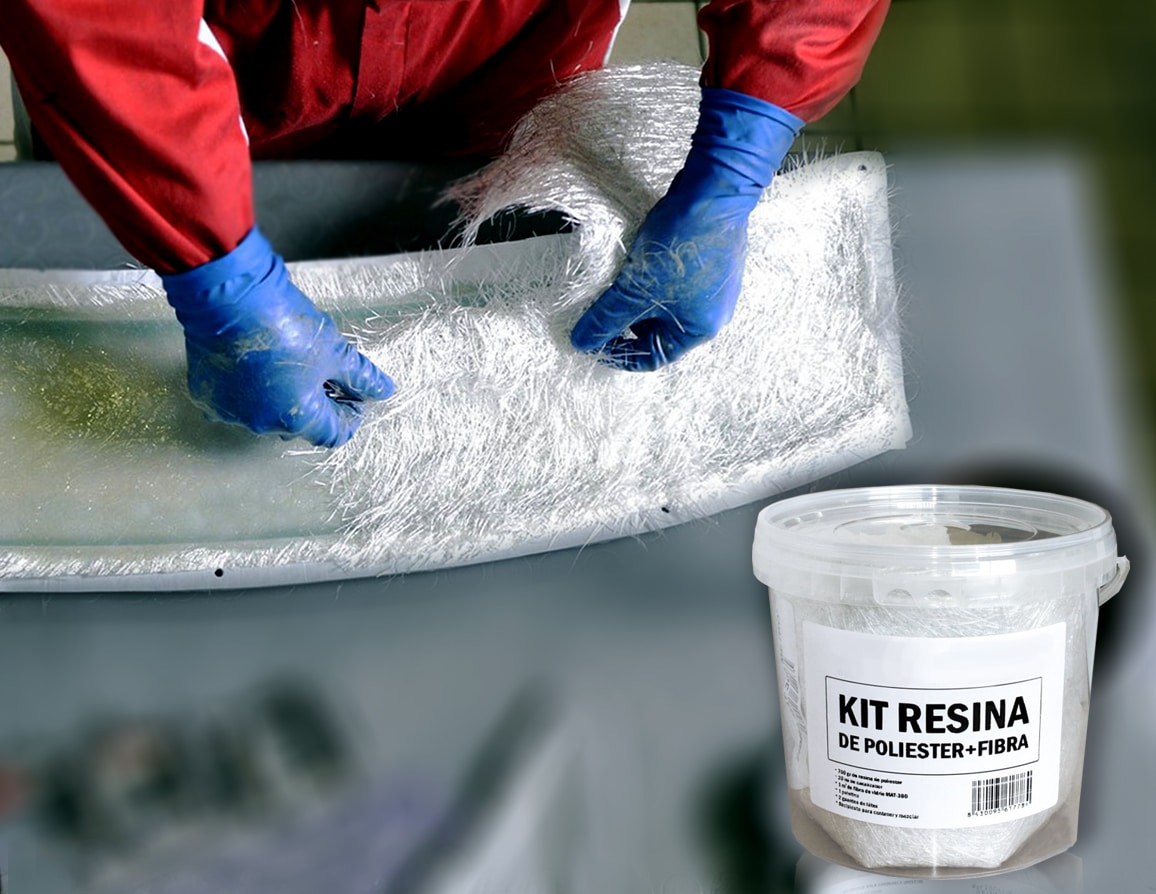
- Resin Fibreglass Repair Kit – Complete Polyester Resin and Hardener SetThe Resin Fibreglass Repair Kit provides a waterproof and impact-resistant bond suitable for structural repairs and composites.
- CROP 2K Fiberglass Putty – 750 ml + Hardener£15.85CROP 2K Fiberglass Putty is a reinforced polyester putty designed for filling and repairing cracks, dents, and cavities with resistance to moisture…
 Strong Technical Degreaser for Resin Projects – 100% Natural FormulaOriginal price was: £10.95.£9.45Current price is: £9.45.Strong Technical Degreaser is a natural and gentle cleaner designed for use with epoxy resin projects and other surfaces.
 "Trasparente" – Multipurpose Clear Epoxy Resin for Casting – Up to 2cmPrice range: £8.95 through £397.95Ultra-clear multipurpose epoxy resin for castings, suitable for projects up to 2cm thick with a glossy, self-levelling finish.
Frequently Asked Questions
What is the best filler for repairing small cracks in a resin bathtub?
A fibreglass-reinforced putty is ideal for filling small cracks and chips in resin bathtubs as it delivers strength and moisture resistance.
Can I use clear epoxy resin to finish a bathtub repair?
Yes, a thin coat of clear epoxy resin seals and protects the repair, blending it with the original tub surface.
Should I sand between each stage of my repair?
Light sanding between stages smooths transitions for a flawless result, but avoid over-sanding adjacent tub areas.
Why is degreasing important before applying resin repair materials?
Degreasing removes oils, silicone, and residues, ensuring repair materials adhere fully and repairs last.
How long must I wait before using my bathtub after repair?
Wait for all compounds and resin coatings to fully cure—typically 24 to 72 hours—before exposing to water.
What should I do if the crack or hole is extensive?
Use a fibreglass repair kit with matting for large or structural damage to reinforce and waterproof the bathtub.
Can bathtub repairs be painted over after using epoxy or putty?
Yes, once fully cured and sanded, most repairs may be painted to match your tub’s finish.