 Free shipping on orders over £29,85
  Shipping Tracking!


 Google
 Facebook
← Back to How to Fill and Paint Resin?
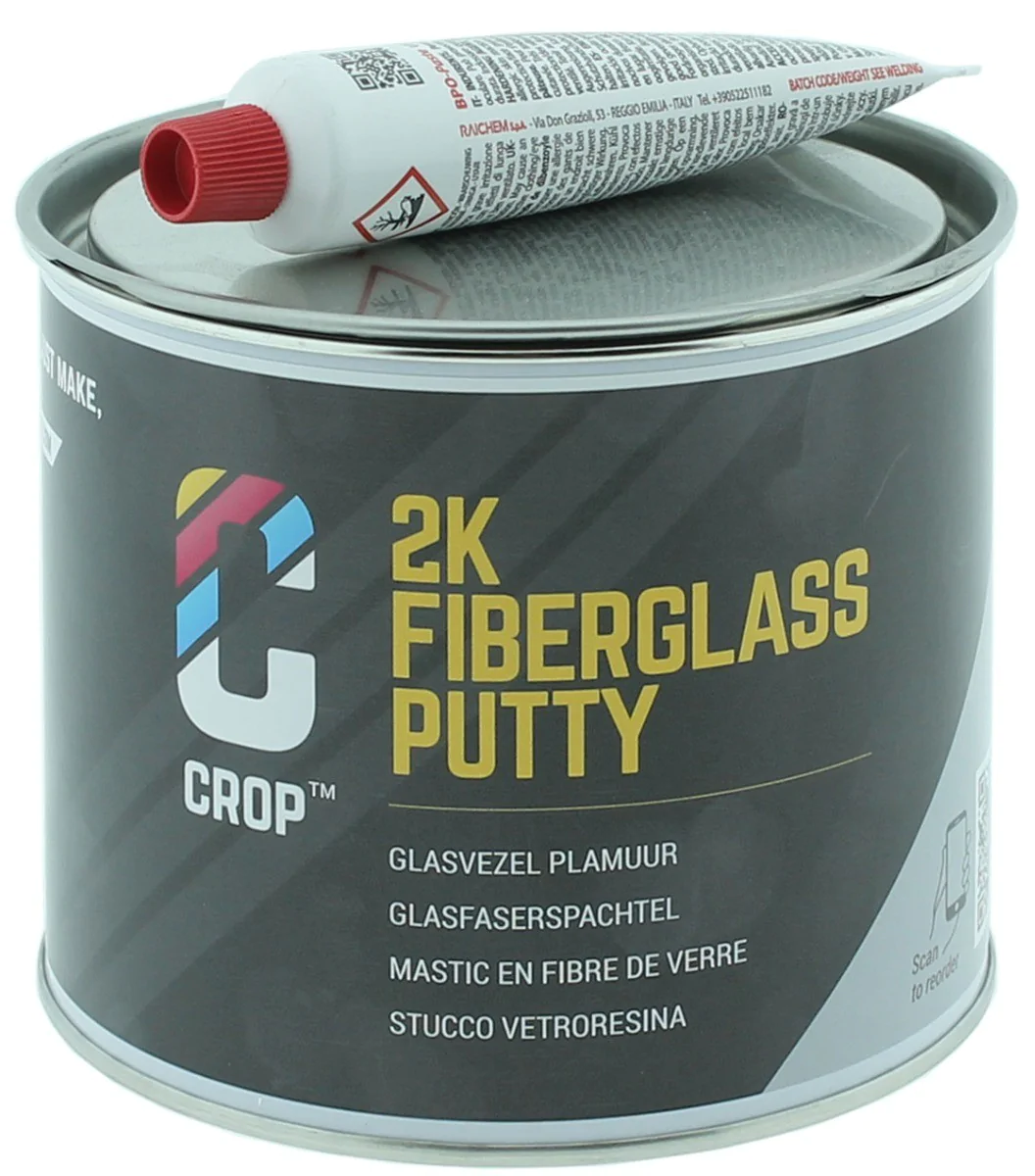
Repairing chips, dents, or cracks in resin can restore your project’s appearance and strength. Choosing the right putty is crucial for achieving a durable, smooth result ready for sanding and painting.
Why Choose a Fibreglass-Reinforced Polyester Putty?
A fibreglass-reinforced polyester putty, such as CROP 2K Fiberglass Putty, offers extra strength and flexibility, making it highly suitable for repairing resin surfaces. The fibreglass strands help reinforce the cured putty, minimising the risk of cracking or re-damage, especially in deeper cavities or areas that may experience light vibrations or stress.
- High durability: Fibreglass enhances structural integrity.
- Excellent adhesion: Suitable for resin, plastics, metal, and more.
- Ease of sanding: Cures to a surface that’s readily sanded smooth for a seamless finish.
Application & Finishing Tips
Start by cleaning and drying the repair area thoroughly. Mix the two components of the polyester putty as directed, ensuring a consistent blend. Apply the putty generously to fill cracks, dents, or holes, and shape it as needed. Once cured, sand the area to your desired smoothness—using a short-pile roller during painting helps achieve even coverage and a professional sheen. Ensure the surface is free from dust before priming and painting to give your repair a flawless finish.
When a Strong Repair Matters Most
If your resin project is meant to bear weight, be used regularly, or is exposed to minor impact, a fibreglass-reinforced putty ensures your repair will be long-lasting and less prone to further damage compared to standard fillers. This is especially important for functional or decorative items exposed to daily wear.
Related products
Related guides
Choosing the right putty not only restores the look of your resin projects but also prepares the surface for painting and finishing. For more hands-on tips on filling and painting resin, explore the full guidance on our How to Fill and Paint Resin? hub.