 Free shipping on orders over £29,85
  Shipping Tracking!


 Google
 Facebook
How to clean epoxy resin tools?
Proven methods to remove resin before and after curing


Keeping your epoxy resin tools clean is essential for smooth, professional results and for extending the lifespan of your equipment. This guide walks you through safe and effective ways to clean resin mixing buckets, spatulas, scrapers and brushes—whether the resin is fresh or cured. Perfect for hobbyists, makers, and professional resin artists aiming to maintain pristine tools and avoid cross-contamination.
What You’ll Need
- Pure Isopropyl Alcohol 99.9% – 1000ml Bottle for Epoxy Resin Projects & DIY – for dissolving resin residues and cleaning hard surfaces.
- Strong Technical Degreaser for Resin Projects – 100% Natural Formula – ideal for gentle but effective removal of grease and uncured resin.
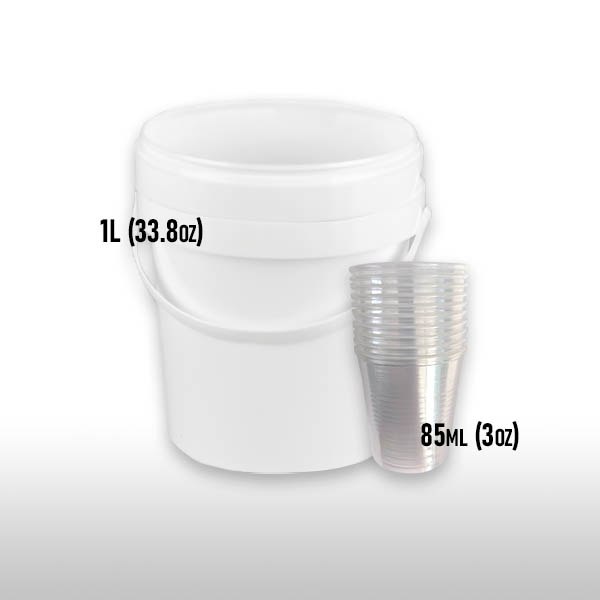
- Mixing Buckets Kit for Epoxy Resin Art – Easy Clean Flexible Design – reusable mixing containers designed for straightforward resin cleaning.
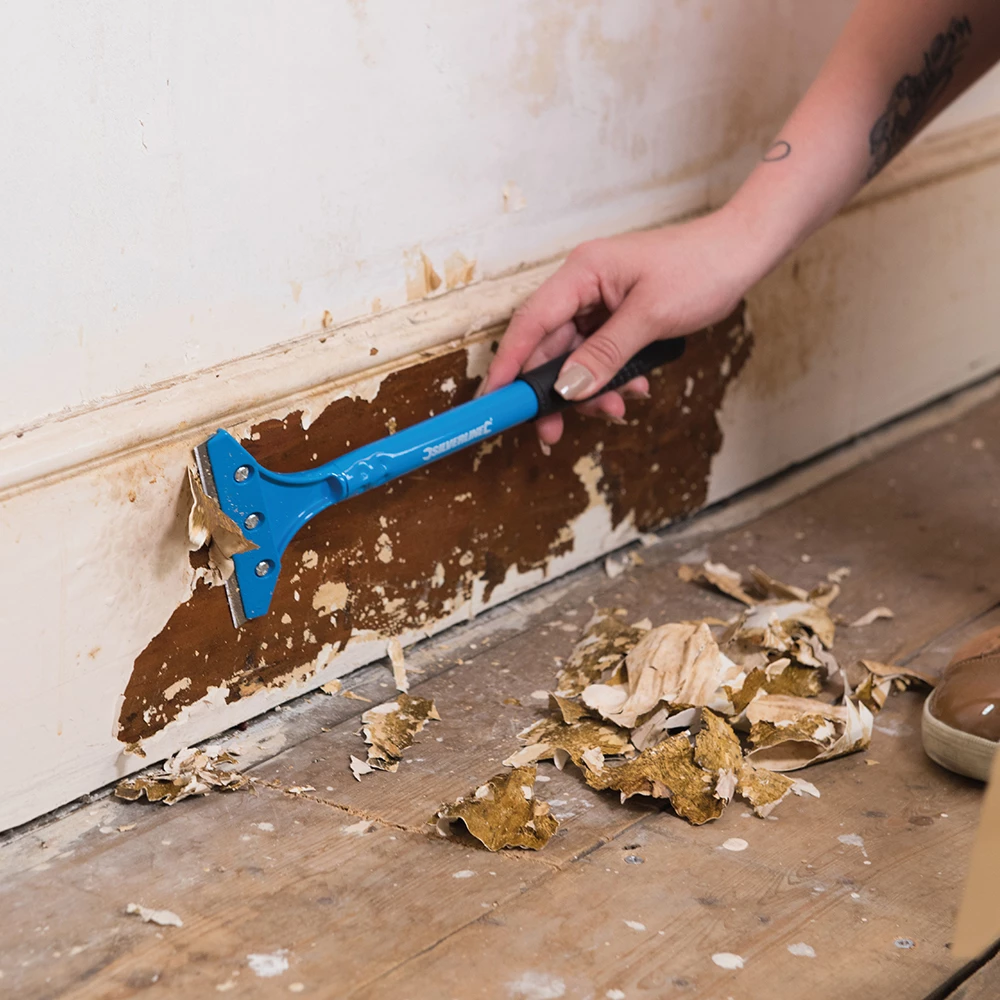
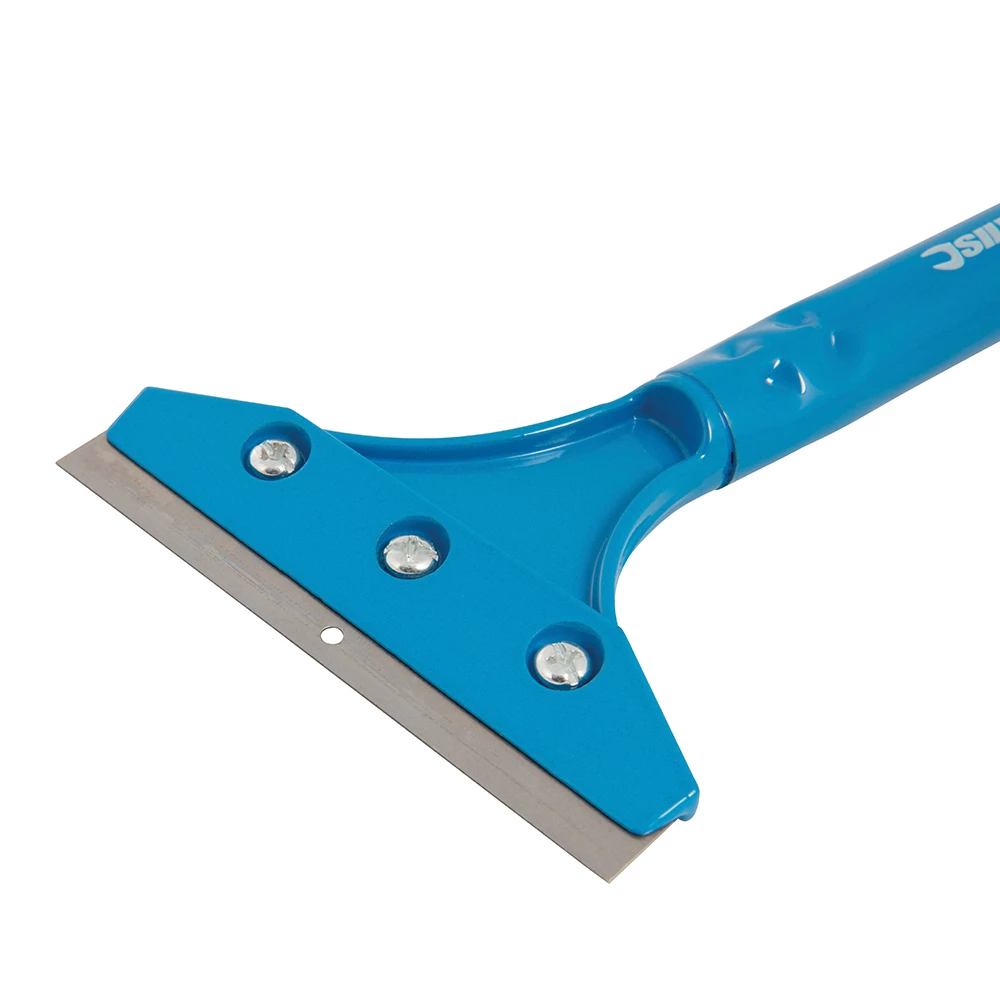
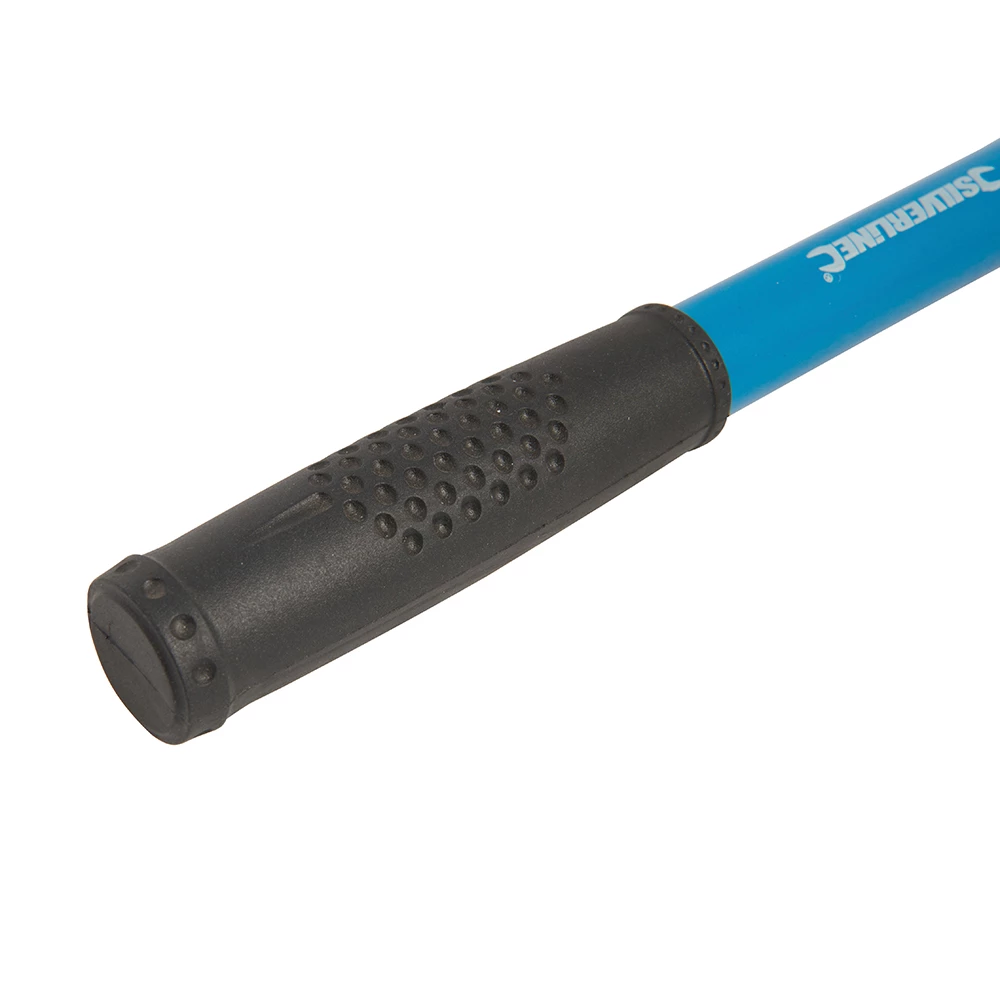
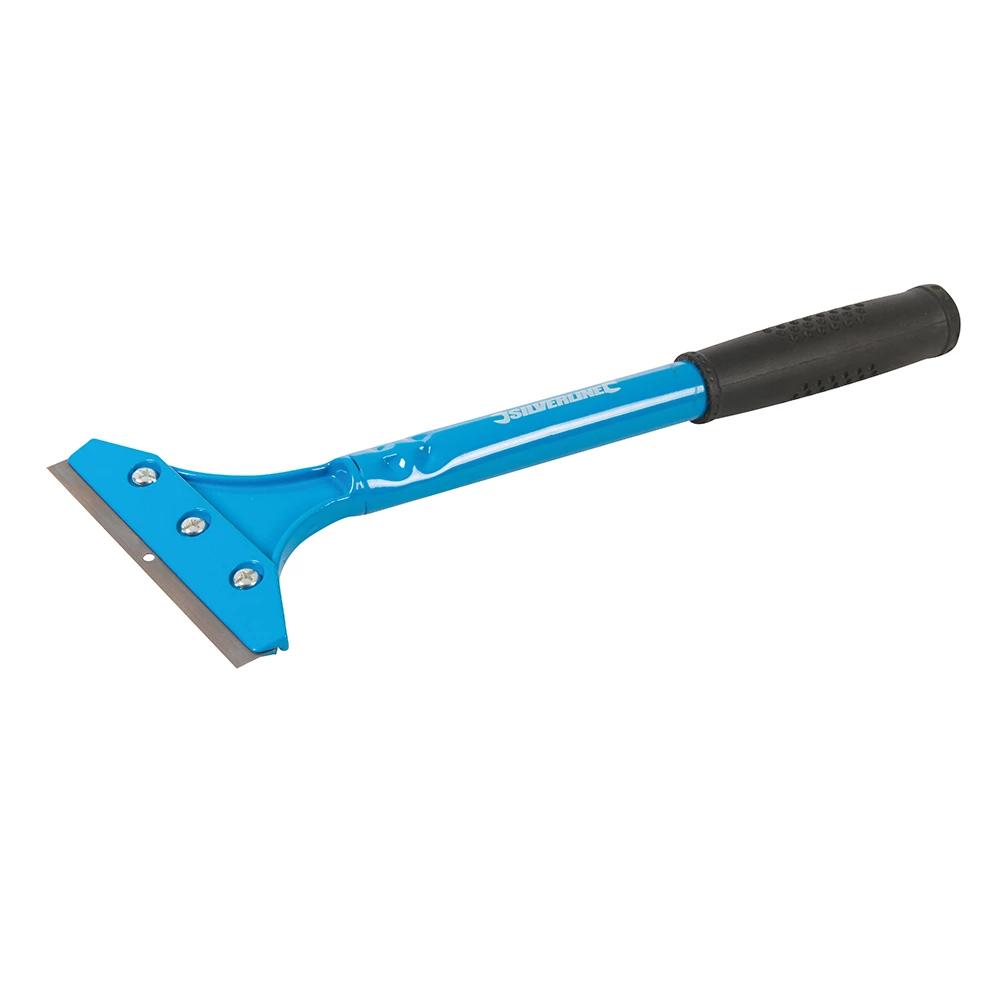
- Heavy Duty Scraper for Paint and Epoxy Resin Removal – suitable for removing cured resin from flat surfaces and mixing tools.
- Gloves, eye protection, paper towels or lint-free cloths, and a disposable waste container.
Essential safety and cleaning gear
Before starting, gather gloves, protective eyewear, paper towels and a waste container. These basics keep your workspace tidy and prevent accidental skin contact with uncured or cleaning agents. Always wear gloves and suitable eyewear to protect your skin and eyes.
Step 1: Work Safely and Clean Up Immediately
Always wear gloves and suitable eyewear to protect your skin and eyes. Set up your workspace with a protective covering and keep all cleaning supplies close at hand. Cleaning is most effective if you act while the resin is still uncured—this will make the next steps easier and prevent damage to your tools.
Make it a habit to clean up as soon as your project is finished. Immediate cleaning prevents stubborn cured resin build-up. Wipe off excess resin with a paper towel or cloth before it hardens.
Step 2: Remove Fresh (Uncured) Epoxy Resin
If the resin is still liquid or tacky, use paper towels to thoroughly wipe down spatulas, buckets and mixing sticks. For more thorough residue removal, apply a small amount of Pure Isopropyl Alcohol 99.9% onto a cloth or directly onto the tools. This dissolves and lifts remaining resin for a clean finish.
A gentle alternative is the Strong Technical Degreaser, especially for surfaces or moulds requiring a non-harsh cleaner. Rinse tools with warm soapy water after using any cleaning agent, and dry thoroughly to prevent corrosion or residue.
Step 3: Tackle Cured (Hardened) Resin Accumulation
If resin has already set on your tools or containers, use physical removal first. Flexible buckets such as the Mixing Buckets Kit allow you to peel or squeeze out large chunks of cured resin easily, leaving behind a clean container with minimal effort.
For more stubborn residue, carefully use a Heavy Duty Scraper to lift off hardened resin from flat surfaces or robust mixing tools. Avoid excessive pressure that could damage your tools. Never use abrasive tools on delicate silicone moulds.
Step 4: Final Cleaning and Safe Disposal
After most resin has been removed, give your tools a final wipe with isopropyl alcohol or degreaser, then wash them in warm soapy water. Rinse thoroughly and dry well before storage.
Dispose of all cleaning fluids in accordance with local guidelines. Do not pour isopropyl alcohol or resin residues down household drains. Keep dedicated cleaning containers to avoid cross-contamination of tools.
Tips and Common Mistakes to Avoid
Acting quickly and having the right cleaning agents on hand is crucial in epoxy resin work. Immediate cleaning prevents stubborn cured resin build-up. Avoid using strong solvents on silicone moulds, as they can degrade the material. Be cautious when scraping to prevent scratching tools and surfaces.
Keep dedicated cleaning containers to avoid cross-contamination of tools. Regular maintenance of buckets, spatulas, and other essentials prolongs their life and ensures clean, flawless resin projects every time.
Quick tip: keep tools lasting longer
Immediate cleaning prevents stubborn cured resin build-up. The right cleaning routine not only saves you time but also protects your investment in quality tools. Use isopropyl alcohol or gentle degreaser as soon as your resin work is complete.
- Pure Isopropyl Alcohol 99.9% – 1000ml Bottle for Epoxy Resin Projects & DIYPrice range: £10.45 through £20.95Pure Isopropyl Alcohol 99.9% is suitable for epoxy resin projects, helping remove bubbles and clean tools in line with the theme.
- Strong Technical Degreaser for Resin Projects – 100% Natural FormulaOriginal price was: £10.95.£9.45Current price is: £9.45.Strong Technical Degreaser is a natural formula cleaner suitable for multiple surfaces often used in resin projects.
- Mixing Buckets Kit for Epoxy Resin Art – Easy Clean Flexible DesignPrice range: £2.05 through £8.95Flexible mixing buckets designed for epoxy resin art, allowing easy cleaning by squeezing the walls.
- Heavy Duty Scraper for Paint and Epoxy Resin Removal£8.95The Heavy Duty Scraper is designed for removing paint and resin with a lightweight and precise build.
Frequently Asked Questions
What is the best way to remove sticky resin from tools?
Use isopropyl alcohol to dissolve tacky or sticky resin before it cures, then wipe clean with a cloth.
Can cured epoxy resin be removed from mixing buckets?
Yes, with flexible buckets you can often pop out cured resin in one piece, making cleaning much easier.
How can I safely clean silicone moulds used for resin?
Use a mild degreaser and lukewarm water; avoid harsh solvents that might damage the silicone.
Is isopropyl alcohol safe to use on all resin tools?
It is generally safe for metal and plastic tools, but avoid using it on silicone moulds to prevent premature degradation.
How should I dispose of used cleaning chemicals for resin?
Dispose of isopropyl alcohol and resin wastes via a local hazardous waste collection service, not down household drains.
How do I clean tools when switching between resin colours?
Clean thoroughly with isopropyl alcohol between colours to prevent cross-contamination in your next pour.
Can I use household cleaners on epoxy resin tools?
While mild soap and water help remove residue, specialised products such as alcohol or a natural degreaser work best for stubborn resin.