 Free shipping on orders over £29,85
  Shipping Tracking!


 Google
 Facebook
How do you remove resin from a car?
A practical guide for safely cleaning tough resin spots


Resin can be a nuisance when it finds its way onto your car’s paintwork or windows, often leaving behind sticky and stubborn marks. This guide will show you clear, safe methods to remove resin from all types of car surfaces while avoiding scratches or further damage, helping you restore your vehicle’s flawless finish.
What You’ll Need
- Strong Technical Degreaser for Resin Projects – 100% Natural Formula: A natural cleaner for effective degreasing and gentle surface care on car panels and interiors.
- Pure Isopropyl Alcohol 99.9% – 1000ml Bottle for Epoxy Resin Projects & DIY: Use for spot-cleaning resin residue from glass and painted panels.
- Scraper for Paint & Dry Resin Removal – 10 Double-Sided Blades: Safely removes dry resin from windows without damaging the glass.
- Soft microfibre cloths
- Warm water and mild car shampoo
- Disposable gloves
- Bucket

Why Preparation Is Key Before Resin Removal
Proper preparation helps prevent scratching and additional chemical damage to your car’s surfaces. Clearing dirt and working patiently allows cleaning solutions to work more effectively without risking the integrity of paint or glass. Gentle technique ensures the best outcome for both looks and value.

Step 1: Assess and Prepare the Affected Area
Start by carefully inspecting your vehicle to locate all resin spots—these often appear as hard, glossy blobs or sticky patches on paint, glass, or trim. Rinse the area with lukewarm water to loosen excess debris, and use a soft microfibre cloth to gently wipe away surface dirt. Always wear gloves and work in a ventilated area to prevent skin contact and inhalation of cleaning vapours.
Identify whether the resin is still tacky or fully cured, as different techniques will be required. Remove any grit or dust before applying solvents or tools to avoid scratching the car’s finish.
Step 2: Loosen Fresh or Sticky Resin
If the resin is recent and still tacky, dampen a soft cloth and apply a small amount of Strong Technical Degreaser for Resin Projects – 100% Natural Formula directly to the spot. Allow it to soak for a few minutes to break down the sticky residue. Gently rub the area in a circular motion, letting the degreaser lift the resin without damaging the underlying paint.
For more stubborn areas, follow up by dabbing with Pure Isopropyl Alcohol 99.9% – 1000ml Bottle for Epoxy Resin Projects & DIY, which evaporates quickly and can help dissolve resin that resists natural degreasers. Test all products on a small hidden area first to confirm compatibility with your car’s finish.
Step 3: Remove Hardened Resin Spots
For resin that has fully cured—especially on windows or glass—a manual scraper is most effective. Using the Scraper for Paint & Dry Resin Removal – 10 Double-Sided Blades, hold the tool at a shallow angle and carefully slide it beneath the hardened spot. Do not use excessive force when scraping, as this can cause scratches to glass or edge trims.
On painted surfaces, avoid scrapers. Instead, keep the spot well-soaked with degreaser, then gently rub with a soft cloth, repeating the process as needed. When in doubt, take your time and never try to chip or gouge resin off paintwork.

Step 4: Final Wash and Polish for a Flawless Finish
Once resin is removed, rinse the area thoroughly with clean water and a mild car shampoo to eliminate all residues. Dry with a fresh microfibre cloth. If you wish to restore extra gloss, especially on dark or glossy finishes, you may use a specialist polish formulated for dark surfaces as a finishing touch to erase any micro-marks.
Always check the product label before applying on plastic trims and take care not to over-polish, as this could dull or mark specialist coatings.

Tips and Common Mistakes
- Avoid aggressive chemicals not designed for cars—these can damage paint or plastics.
- Never use steel wool or abrasive pads on painted surfaces, as scratches are often permanent.
- Remove resin promptly; the longer it sits, the harder it becomes to clear without damaging the surface.
- If unsure, consult a professional detailer before proceeding on delicate or historic vehicles.
Safe Removal Protects Your Car's Value
Using the right cleaners and methods not only avoids damage but ensures your vehicle retains its appearance and resale value. Patience and attention to detail are vital—rushing can lead to unwanted repairs or visible marks left behind.

- Strong Technical Degreaser for Resin Projects – 100% Natural FormulaOriginal price was: £10.95.£9.45Current price is: £9.45.Strong Technical Degreaser is suitable for cleaning various surfaces including those involved in resin projects.
- Pure Isopropyl Alcohol 99.9% – 1000ml Bottle for Epoxy Resin Projects & DIYPrice range: £10.45 through £20.95Pure Isopropyl Alcohol 99.9% is suitable for epoxy resin projects, helping to remove bubbles and assist creative resin art effects.
- Scraper for Paint & Dry Resin Removal – 10 Double-Sided Blades£4.95The Scraper for Paint & Dry Resin Removal features an easy tool-free blade change system and includes 10 double-sided blades suitable for smooth…
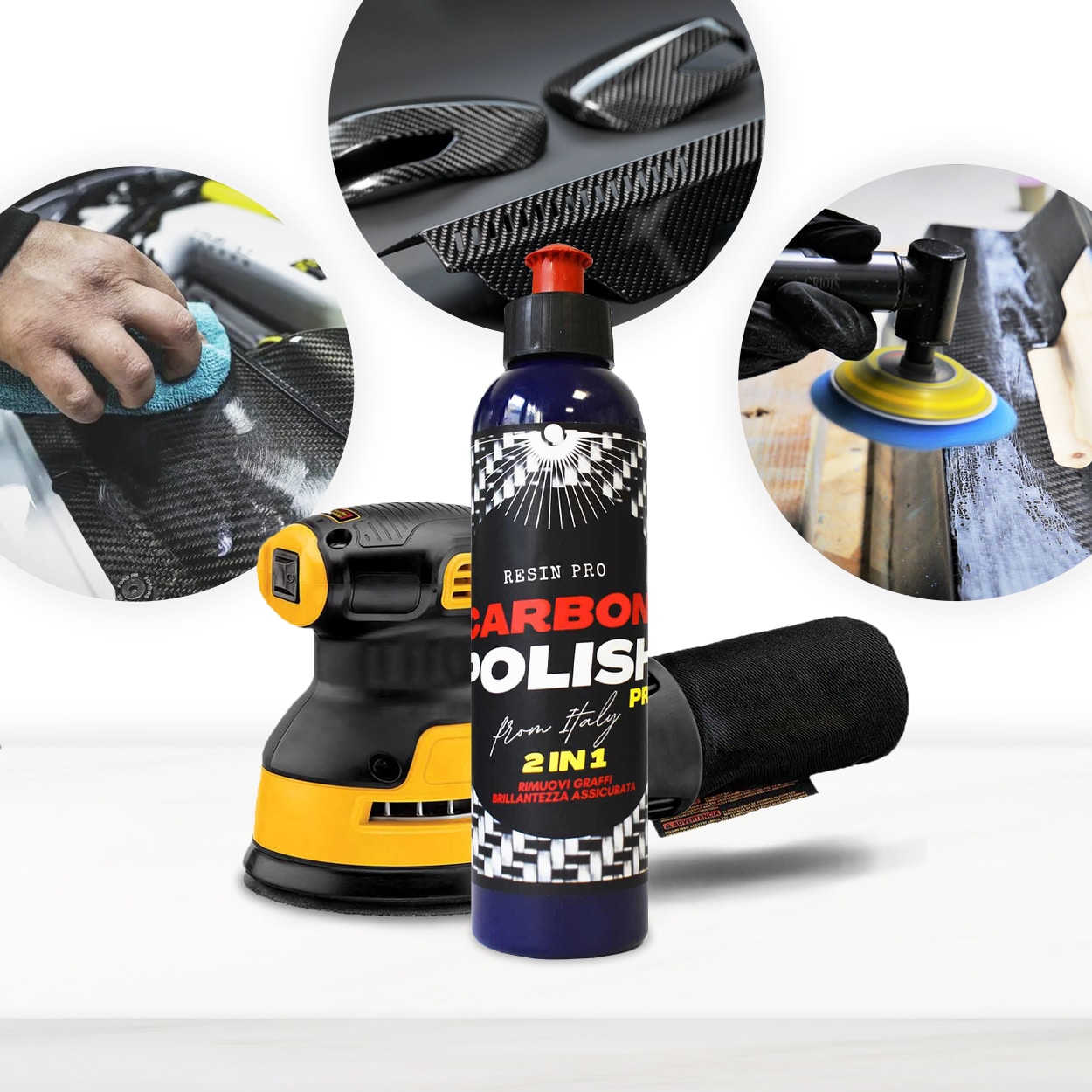 "Carbon Polish" – Polishing System for Dark and Black Surfaces, 250mlPrice range: £18.95 through £47.45Carbon Polish is designed for polishing dark surfaces including epoxy resin projects, suitable for hand or power tool application.
Frequently Asked Questions
Can you use isopropyl alcohol on car paint for resin removal?
Yes, but always test on a hidden area first to make sure it doesn't dull the finish. Use only small amounts and rinse thoroughly.
Is degreaser safe on car bodywork?
Natural, solvent-free degreasers are generally safe for painted surfaces when used as directed. Avoid harsh or caustic products.
Can you scrape resin off car windows?
Yes, use an appropriate scraper designed for glass and avoid scratching by working gently and at a low angle.
How can you prevent resin from damaging car paint?
Clean resin off quickly and park away from trees that produce sticky sap. Regular waxing can provide added protection.
What if resin won't come off my car easily?
Reapply degreaser or alcohol, let it soak, and repeat the process. Persistently hard spots may require help from a detailing professional.
What is the best cleaning product for resin on cars?
Natural degreasers or isopropyl alcohol are recommended. Avoid harsh solvents not intended for automotive paintwork.