 Free shipping on orders over £29,85
  Shipping Tracking!


 Google
 Facebook
How to coat a wood panel with fiberglass resin?
Step-by-step guide for durable, waterproof fibreglass wood panels

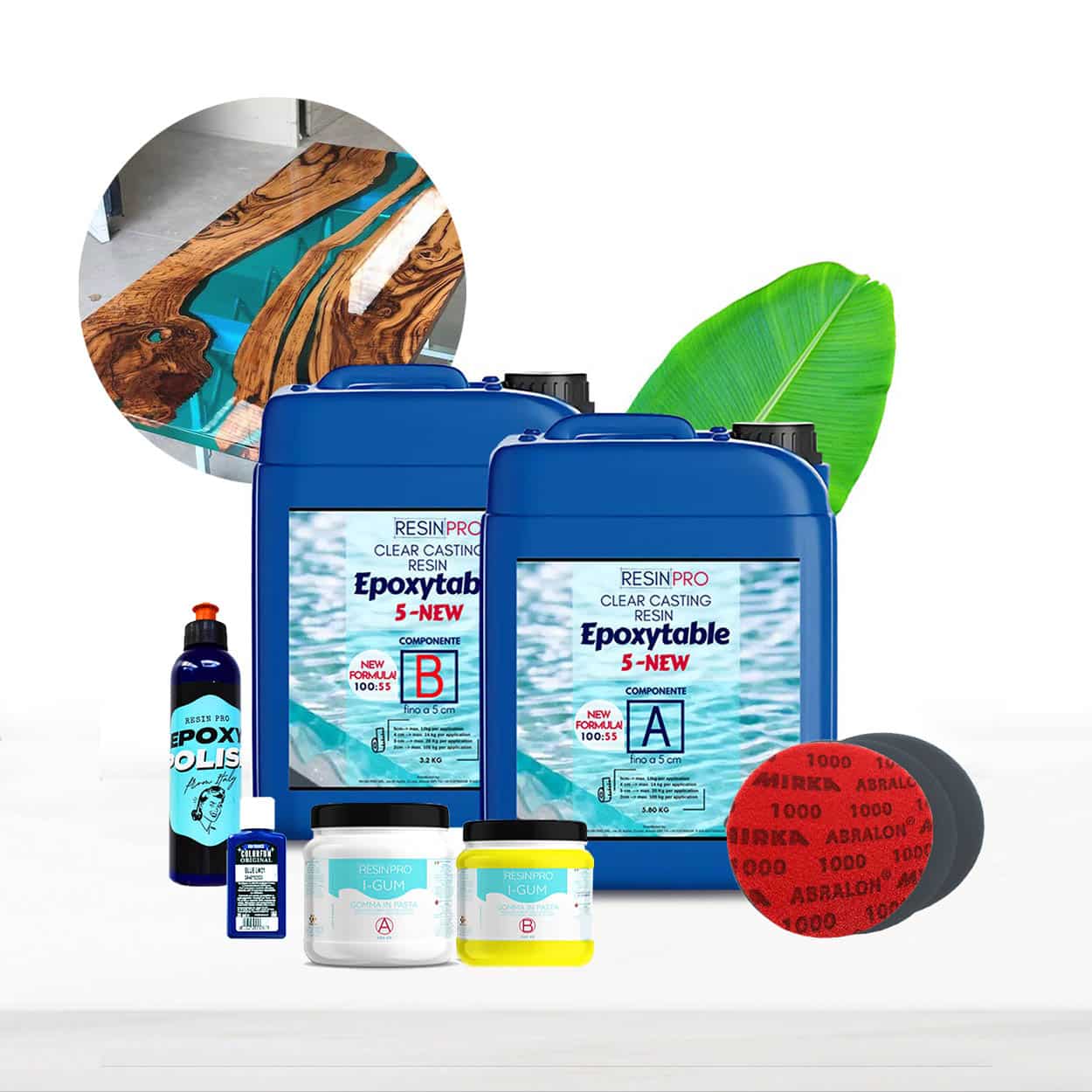
Coating a wood panel with fibreglass resin creates a robust, waterproof, and long-lasting surface suited for marine, construction, or creative projects. This guide offers a step-by-step approach for beginners and experienced makers alike, detailing what’s involved at each stage to achieve a professional-strength finish and protect your wood from moisture, impact, and everyday use.
What You’ll Need
- “Carbon Resin” – Epoxy Resin for Carbon Fiber & Fiberglass Coating: Epoxy resin with excellent wetting and bonding for fibreglass applications.
- “EpoxyWood” – Wood Restoration Epoxy Resin for Deep Penetration and Waterproofing: Ideal for initial wood sealing to reinforce and waterproof fibres.
- Resin Fibreglass Repair Kit – Complete Polyester Resin and Hardener Set: Contains polyester resin and fibreglass mat for robust reinforcement.
- Clean, dry wooden panel
- Acetone or suitable degreaser
- Abrasive sandpaper (80–120 grit, and finer)
- Disposable gloves, safety glasses, and a mask
- Fibreglass mat or cloth (if not in your kit)
- Good quality brush and roller
- Mixing containers
- Squeegee or plastic spreader

See the Coating Workflow in Action
Visualise each stage of coating a wood panel with fibreglass resin – from preparing the raw timber and laying out the fibreglass mat, to saturating with resin and achieving a bubble-free finish.

Step 1: Prepare the Wood Surface
Start by thoroughly cleaning the wood panel to remove all dust, grease, and loose fibres. Sand the surface evenly using 80–120 grit sandpaper to roughen the texture — this helps the resin mechanically grip the wood fibres. After sanding, wipe down the entire panel with acetone or a suitable degreaser to remove any lingering contaminants. Make sure the panel is bone dry; excess moisture can cause the resin to foam or not cure properly.
Proper surface preparation is critical for resin adhesion; do not rush this stage or skip drying the surface completely.
Step 2: Seal and Prime the Wood Panel
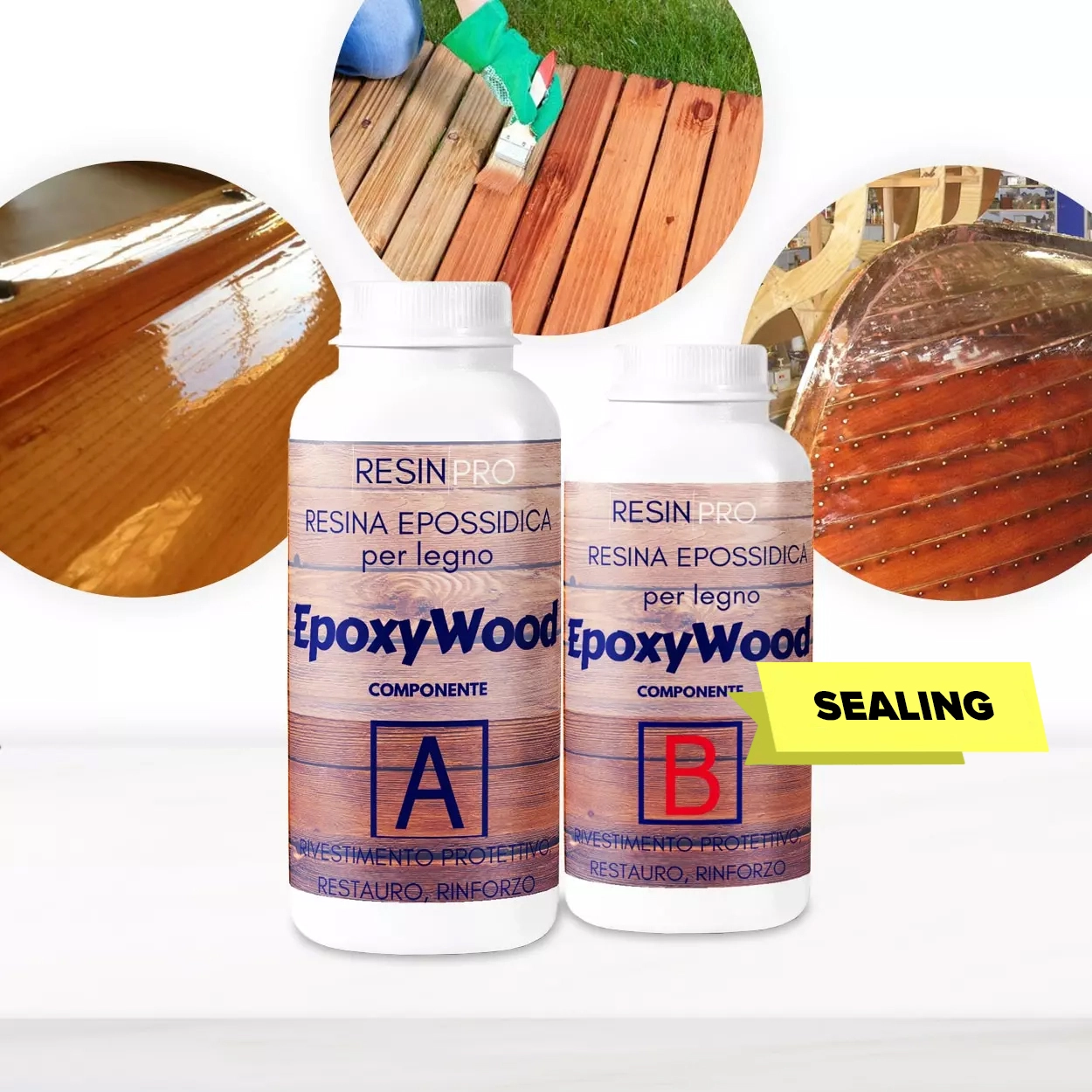
The natural porosity of timber can cause bubbles or uneven resin curing if unsealed. Apply a thin coat of sealing resin or primer over the wood; “EpoxyWood” – Wood Restoration Epoxy Resin for Deep Penetration and Waterproofing offers excellent penetration, waterproofing, and structural reinforcement for this stage. Allow the sealing layer to soak in before applying fibreglass. If desired, sand lightly after it cures to remove raised grain and ensure a smooth base for the fibreglass mat.
Step 3: Apply Fibreglass Mat and Resin
Cut your fibreglass mat to size so it slightly overlaps the panel edges. Lay the mat dry onto the primed surface. Mix your chosen resin by following the product’s instructions — “Carbon Resin” – Epoxy Resin for Carbon Fiber & Fiberglass Coating is recommended for best transparency and ease of application with technical fabrics, or select the Resin Fibreglass Repair Kit for polyester resin reinforcement.
Pour or brush resin onto the mat, gently working it in with a squeegee or roller until the fibres are fully saturated and transparent. Repeat until all layers are coated. Apply the fibreglass resin and mat carefully for optimal impregnation and a tough finish that resists delamination.
Step 4: Remove Bubbles and Finish Surface
Use a roller, brush, or plastic spreader to smooth the wet resin and press out all air bubbles. Work methodically across the surface; trapped bubbles can weaken the final result or show as white spots beneath the finish. A heat gun or blowtorch on a low setting (if safe with the resin) can be carefully passed over the surface to help bubbles rise and pop.
Smooth and even removal of air bubbles prevents weak spots and ensures a clear, resilient coat.
Step 5: Allow to Cure and Sand if Desired
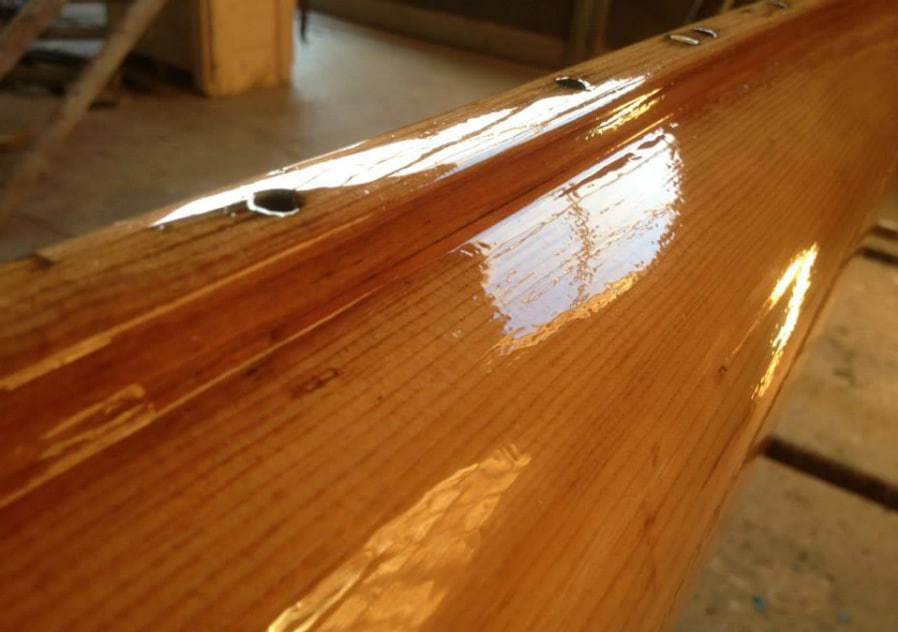
Let the coated panel cure fully as per the resin instructions; avoid moving, pressing, or recoating until it feels hard and dry to the touch. After full curing, you can sand rough areas with fine-grit sandpaper and, optionally, apply a further thin coat of resin for a glossy, glass-like finish. Always wear protection when sanding cured resin to avoid inhaling dust material.
Curing time affects strength and clarity of the finish — patience here yields a premium, professional outcome.
Tips, Common Mistakes, and Troubleshooting
Work in a well-ventilated, dust-free environment — airborne particles or humidity can affect curing and the final appearance. Avoid applying resin when the panel is cold or damp, as this leads to poor adhesion. Never rush the mixing of resins, and always measure out hardener components precisely for predictable results. If the surface becomes cloudy, gently sand and re-coat as needed. If in doubt about which resin to use for a specific job, always perform a small test first.
Advanced Finishing and Project Variations
Explore optional finishes, tinting resin for different effects, or adding more layers for enhanced durability, as well as alternative project ideas using similar resin and fibreglass techniques.

- "Carbon Resin" – Epoxy Resin for Carbon Fiber & Fiberglass CoatingPrice range: £19.95 through £37.95"Carbon Resin" is designed for composites and technical fabric projects, ensuring smooth impregnation and a durable glossy finish.
- "EpoxyWood" – Wood Restoration Epoxy Resin for Deep Penetration and WaterproofingPrice range: £27.95 through £41.95"EpoxyWood" resin is designed for wood restoration with an ultra-low viscosity that penetrates deeply and waterproofs wooden surfaces.
- "River-Table" – Complete Kit for Creating Your First Epoxy Resin TablePrice range: £198.45 through £467.45"River-Table" kit includes epoxy resin and polishing items with clear instructions for wood and resin table projects.
 Resin Fibreglass Repair Kit – Complete Polyester Resin and Hardener SetA resin kit designed for structural repairs with polyester resin and fibreglass mat, suitable for coating wood panels as per the theme.
Frequently Asked Questions
Which type of resin is best for coating wood with fibreglass?
Epoxy resin provides excellent adhesion and flexibility, while polyester resin is suitable for repairs and large-scale reinforcement.
Does temperature or humidity affect fibreglass resin coating?
Yes, moisture slows curing and leads to poor adhesion, while low temperatures can cause incomplete curing or cloudy finishes.
How do I avoid bubbles when coating with fibreglass resin?
Properly seal the wood, apply resin slowly, and use a roller or heat gun to release air during application.
How many layers of fibreglass should I use on wood?
For standard protective coatings, 1–2 layers suffice; for structural use, apply more, ensuring each layer is fully saturated.
Can I sand and apply more resin after it cures?
Yes, once cured, sand lightly to remove texture, then add more resin coats for a smoother finish if desired.
How important is surface preparation for coating wood with resin?
Extremely important; clean, dry, and sanded wood ensures the resin fully bonds and prevents delamination.