 Free shipping on orders over £29,85
  Shipping Tracking!


 Google
 Facebook
← Back to How to make resin sinks white?
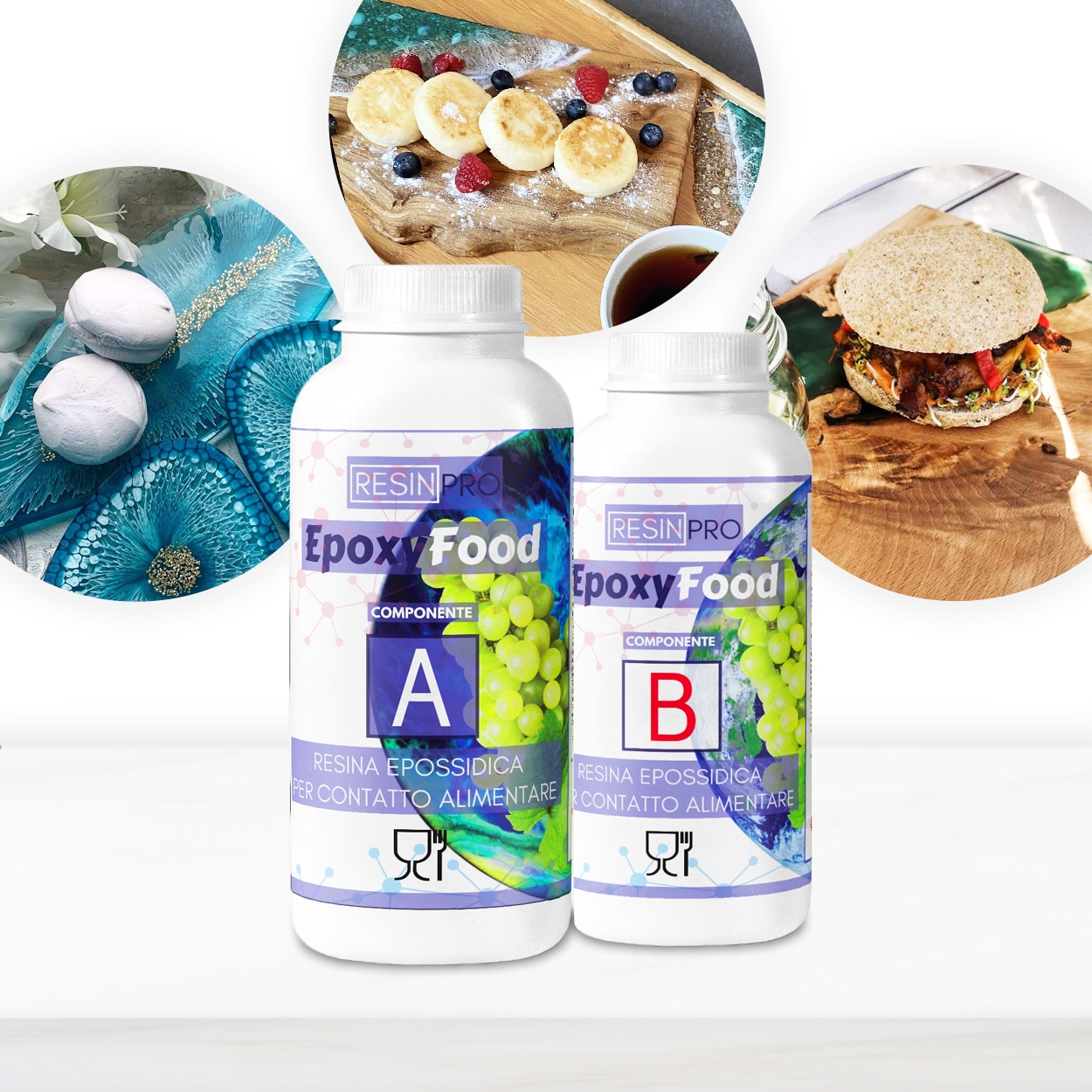
If you’re refurbishing or making a resin sink, especially for the kitchen, it’s important to consider the type of resin you use—particularly where food contact is a possibility.
When Is Food-Safe Resin Necessary?
If your sink will be used for rinsing fruits, vegetables, or prepping food, a certified food contact resin is essential for safety and peace of mind. Food-safe epoxies, such as EpoxyFood, are tested to meet European standards, making them suitable for areas regularly exposed to direct contact with food or utensils.
Selecting the Right Resin for Your Project
For parts of the sink that won’t see direct food contact (like exterior walls or decorative surrounds), standard stone-effect or deep-pour resins may suffice. But for the internal bowl, drainer, or anywhere likely to touch food or water used in food prep, always finish with a certified food-grade epoxy. Marble effect kits can be applied for aesthetics, but should be topped with a food-safe layer in kitchen applications.
When This Matters Most
- Kitchen sinks, prep bowls, and bar sinks with regular food washing
- DIY sink renovations for kitchen islands and food prep areas
- Projects involving direct contact with fresh produce or utensils
Related products
Related guides
Choosing food-safe resin where needed ensures your handmade or renovated resin sink is both beautiful and practical. Learn more about getting a flawless white finish for your sink on our main resin sink guide.