 Free shipping on orders over £29,85
  Shipping Tracking!


 Google
 Facebook
How do you use resin on walls?
Step-by-step guide for stunning decorative wall finishes
Transforming walls with epoxy resin can create unique, eye-catching finishes—ideal for interiors seeking bespoke design or added durability. This guide provides a complete step-by-step approach to applying resin on walls, whether for contemporary décor, artistic panels, or robust protection. Anyone interested in interior refurbishment or creative surface finishing will benefit from practical advice and key techniques discussed below.
What You’ll Need
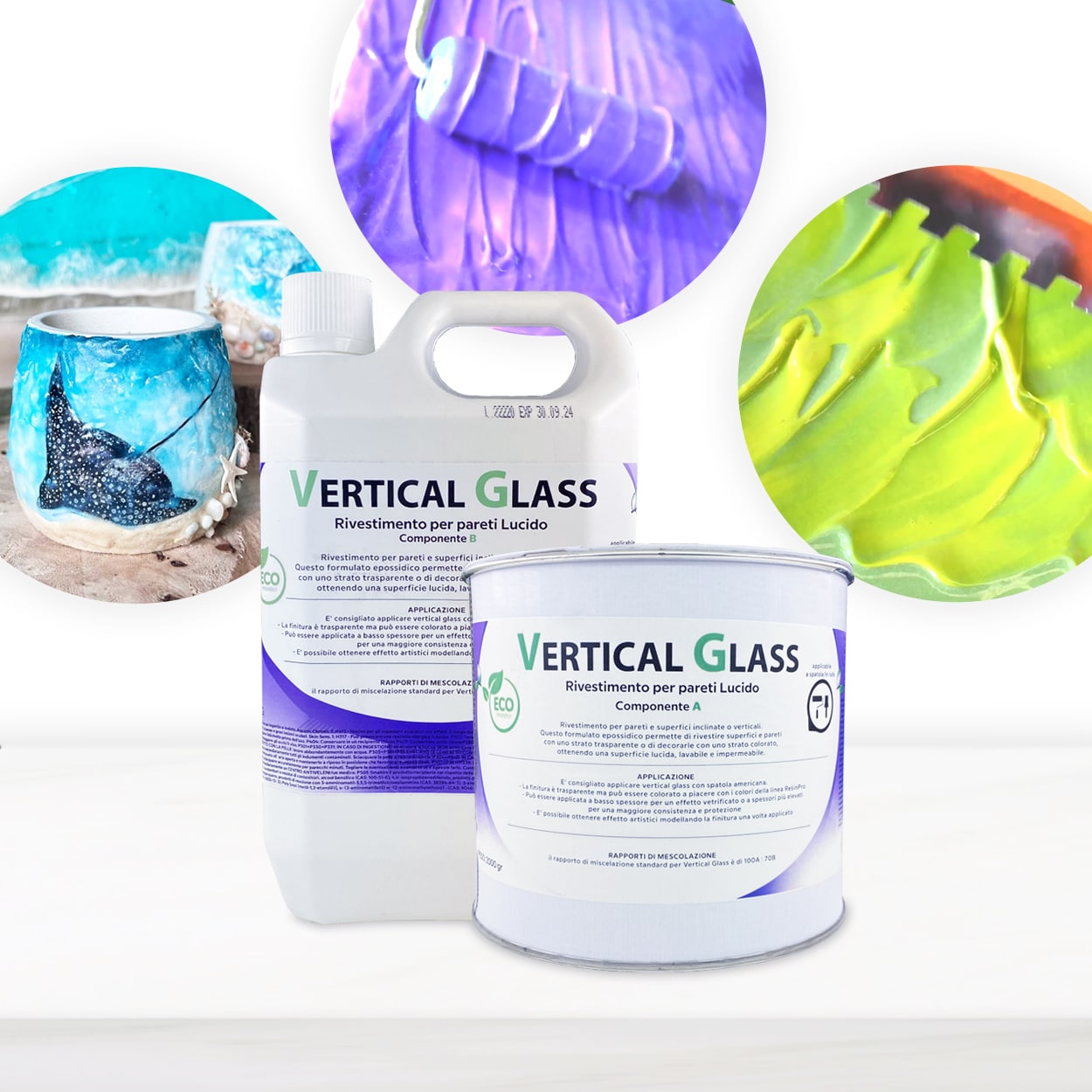
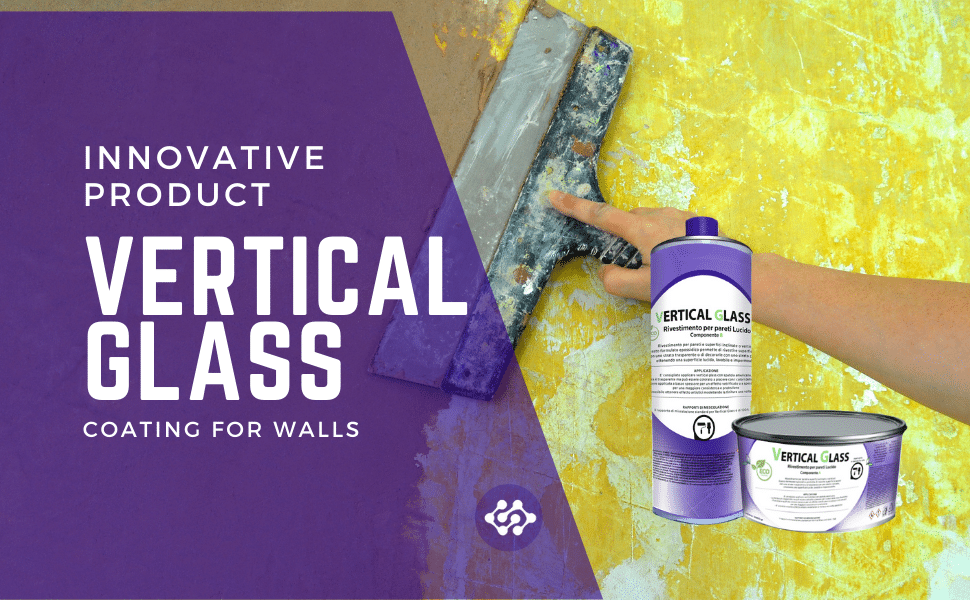
- “Vertical Glass” – Thick Resin Decorative Wall Coating: For glossy, durable and customisable wall finishes.
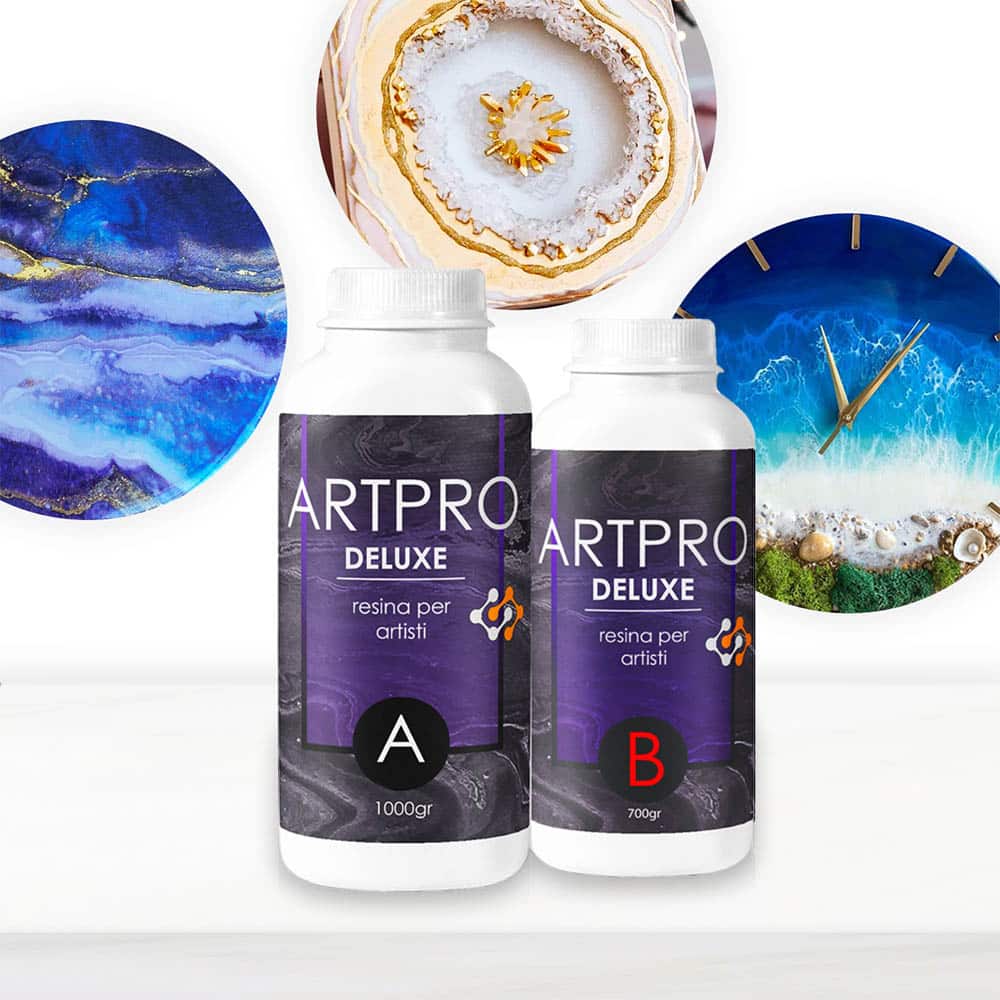
- “Art Pro Deluxe” – Ultra-High Viscosity Epoxy Resin for Artists: Perfect for artistic wall designs requiring line control.
- Resin & Paint Application Rollers – Short-Pile, Large, and Sponge Types: For precise and uniform resin application.
- Mixing Buckets Kit for Epoxy Resin Art – Easy Clean Flexible Design: Enables efficient, hassle-free resin mixing.
- Painter’s tape and plastic sheeting for masking off areas
- Disposable gloves, protective eyewear, and adequate ventilation
Visual Inspiration for Resin Wall Finishes
Explore creative ideas for resin wall finishes: from glassy splashbacks to bold metallic accents, high-viscosity resins let you achieve dramatic effects and custom patterns. Let your space stand out with a unique, durable feature wall.
Step 1: Prepare and Clean the Wall Surface
Start by ensuring the wall is dry, free from dust, grease, or old coatings that could interfere with resin adhesion. If needed, sand any rough spots and patch imperfections. Mask off adjacent surfaces with painter’s tape and use plastic sheeting to protect floors—this will help maintain crisp, tidy edges and prevent accidental drips. Deeper cleaning may be required for tiles or glossy substrates to promote optimal bonding.
Step 2: Mix Your Resin Thoroughly
Accurate mixing is critical for a smooth, durable finish. Use a dedicated container and mix components in line with the manufacturer’s instructions, scraping the sides and base to ensure homogeneity. For hassle-free cleaning and efficient preparation, consider the Mixing Buckets Kit for Epoxy Resin Art – Easy Clean Flexible Design.
Step 3: Apply Resin Evenly to the Wall
Once mixed, immediately apply resin before it begins to cure. For general wall coatings, use a spatula, brush or roller depending on your preferred technique and the effect desired. “Vertical Glass” – Thick Resin Decorative Wall Coating is formulated for vertical and sloping surfaces, allowing you to apply thick decorative coats without dripping.
If your project involves artistic designs or detailed colour placement, work with “Art Pro Deluxe” – Ultra-High Viscosity Epoxy Resin for Artists. This high-viscosity formula offers excellent control, ideal for panels or murals with defined lines and blending effects.
For the flattest, most uniform coverage, select a suitable roller such as those in Resin & Paint Application Rollers – Short-Pile, Large, and Sponge Types. Short-pile rollers suit detail work near edges, while large or sponge types speed up coverage on bigger sections.
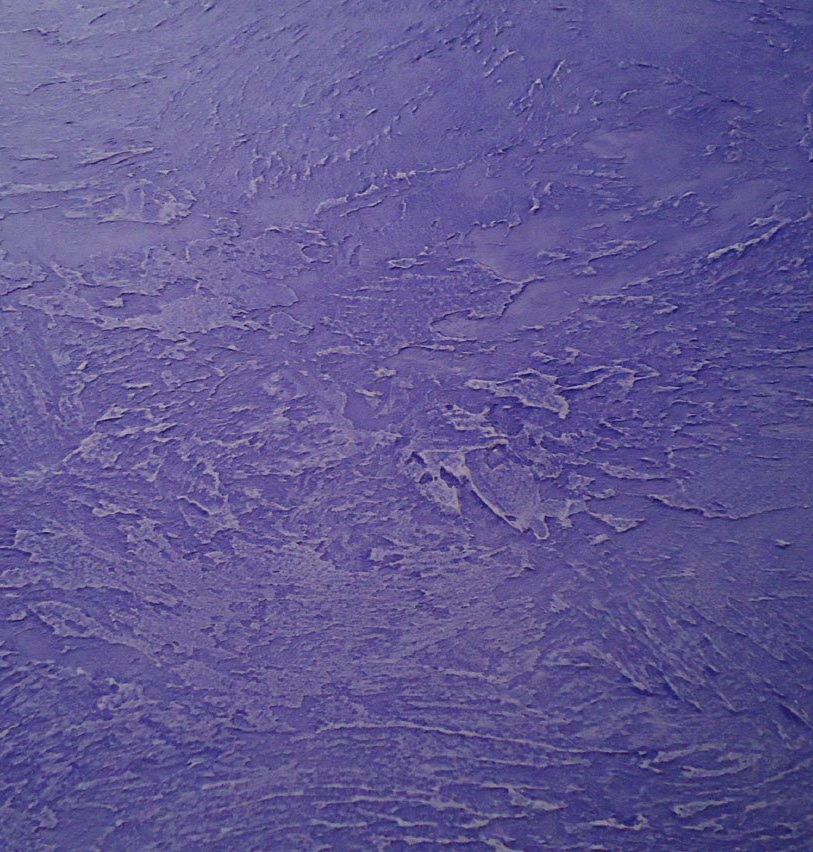
Step 4: Detail, Finish, and Cure
Once you’ve achieved the look you want, allow the resin to level and adhere following the product’s recommendations. Some resins, like “Vertical Glass”, can be left glossy or lightly sanded after curing for a satin effect. Ensure the area remains dust-free and untouched during the cure time. Remove masking tape before the resin sets completely to keep lines clean. After 48 hours or as specified, your wall will be ready for light cleaning or further finishing touches.

Tips and Common Mistakes
- Preparation is key for flawless adhesion: Skipping wall cleaning can cause uneven bonding or unwanted reactions.
- Avoid working in humid or poorly ventilated areas, as moisture affects finish quality.
- Always pre-test colours and effects on a small area if customising your resin.
- Take your time to avoid common mistakes with coverage—rushing often leads to visible streaks or runs.
- Use only high-viscosity resins suited to vertical surfaces for wall projects; standard floor or casting resins will drip uncontrollably.
- Always prioritise safety and proper workspace ventilation to minimise exposure to fumes.
What Makes Resin Wall Coatings Special?
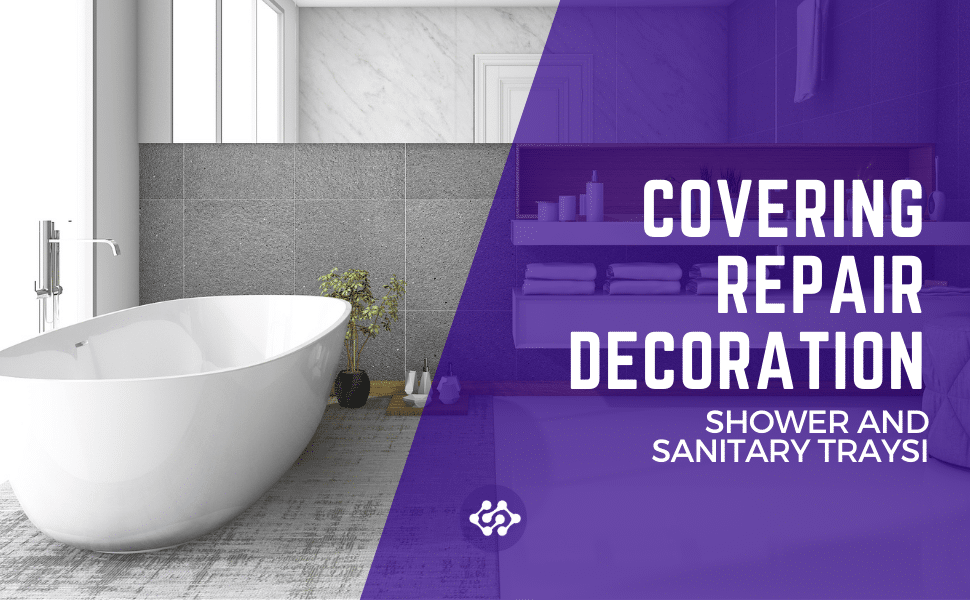
Epoxy resin coatings for walls offer unrivalled customisation and protection. Unlike paint, high-quality resin forms a waterproof, hard-wearing finish, ideal for feature walls, bathrooms, or commercial spaces seeking both beauty and resilience.
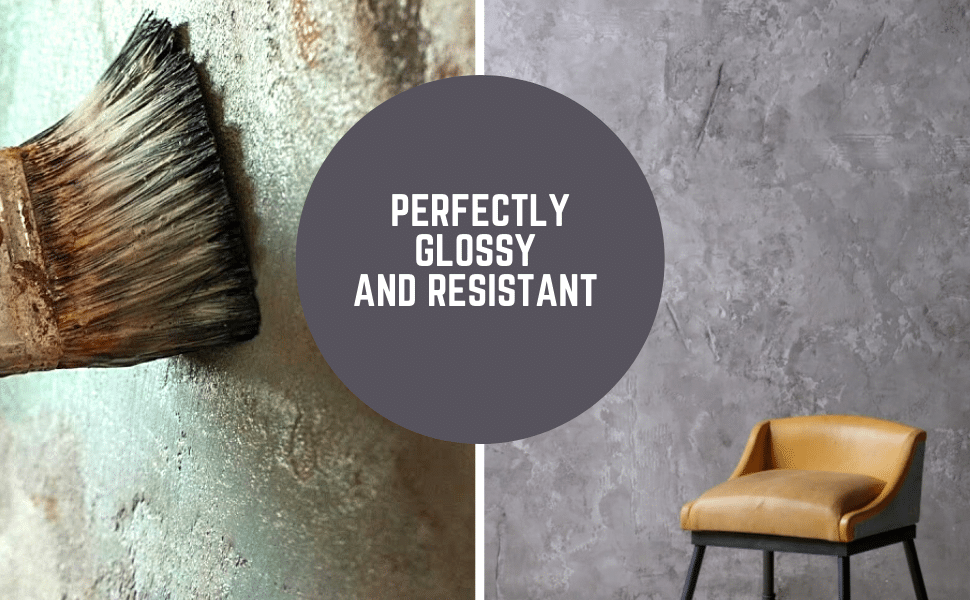
- "Vertical Glass" – Thick Resin Decorative Wall CoatingPrice range: £78.95 through £188.95"Vertical Glass" offers a customisable, durable epoxy resin coating for vertical and sloping surfaces, suited to decorative wall applications.
- "Art Pro Deluxe" – Ultra-High Viscosity Epoxy Resin for ArtistsPrice range: £35.95 through £302.45Art Pro Deluxe is a resin designed for artists requiring precise control and a clear, self-levelling surface in detailed resin art projects.
 Resin & Paint Application Rollers – Short-Pile, Large, and Sponge TypesPrice range: £3.62 through £5.09Rollers designed for precise and uniform application of epoxy resin on various surfaces, suitable for walls and floors.
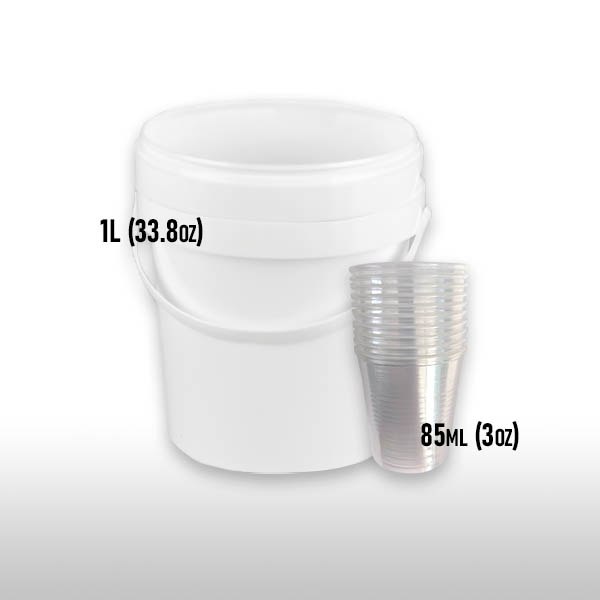 Mixing Buckets Kit for Epoxy Resin Art – Easy Clean Flexible DesignPrice range: £2.05 through £8.95Mixing Buckets Kit is designed for resin artists and crafters needing easy-to-clean, flexible mixing solutions.
Frequently Asked Questions
Can any epoxy resin be used on vertical walls?
No, only high-viscosity or specialist wall resins should be used, as regular casting or floor resins will run or drip.
How do you avoid resin drips on walls?
Choose a resin designed for vertical surfaces and apply in thin, controlled layers—avoid overloading your roller or spatula.
How long should resin cure on walls?
Most wall resins require at least 24–48 hours to fully cure, but always follow the manufacturer's curing instructions for best results.
What surfaces can resin be applied to on walls?
Resin can be applied to properly prepared tiles, cement, wood, bricks, and some painted surfaces.
Is resin wall coating suitable for bathrooms?
Yes, resin coatings are waterproof and easy to clean, making them an excellent choice for high-moisture areas like bathrooms.
Can resin coatings be painted or coloured?
Yes, many wall resins can be tinted with pigments or coloured powders to create bespoke effects and finishes.