 Free shipping on orders over £29,85
  Shipping Tracking!


 Google
 Facebook
How do you build a 6m resin semi-cabin?
A practical guide for safe, strong resin semi-cabin construction.

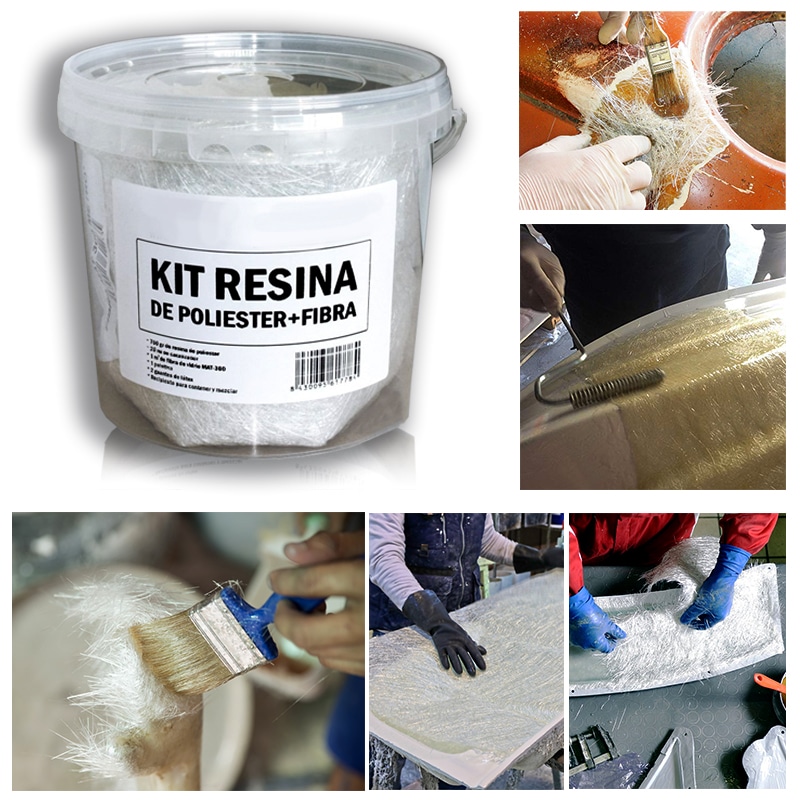
Building a 6-metre resin semi-cabin is an ambitious yet rewarding project that combines structural engineering with practical resin application. This guide walks you through each essential stage, ensuring your semi-cabin is robust, weather-resistant, and long-lasting. Whether you are upgrading a boat or embarking on a unique garden structure, mastering these steps ensures optimal results.
What You’ll Need
- Resin Fibreglass Repair Kit – Complete Polyester Resin and Hardener Set: For structural reinforcement and repairs on rigid cabin surfaces.
- “Carbon Resin” – Epoxy Resin for Carbon Fiber & Fiberglass Coating: Ideal for achieving a strong, bubble-free finish when laminating technical fabrics.
- “Trasparente” – Multipurpose Clear Epoxy Resin for Casting – Up to 2cm: For precision casting of decorative or small structural features.
- “Epoxytable 10-Ten” – Deep Pour Epoxy Resin for Tables, Up to 10cm Casting: Required for deep or bulk resin casting steps that demand clarity and strength.
- Measuring and mixing containers, application brushes, gloves, safety eyewear, and personal protective equipment.
- Wood or composite frame components for structural core.
- Clean surface materials (plywood, pre-cut fibreglass sheets).
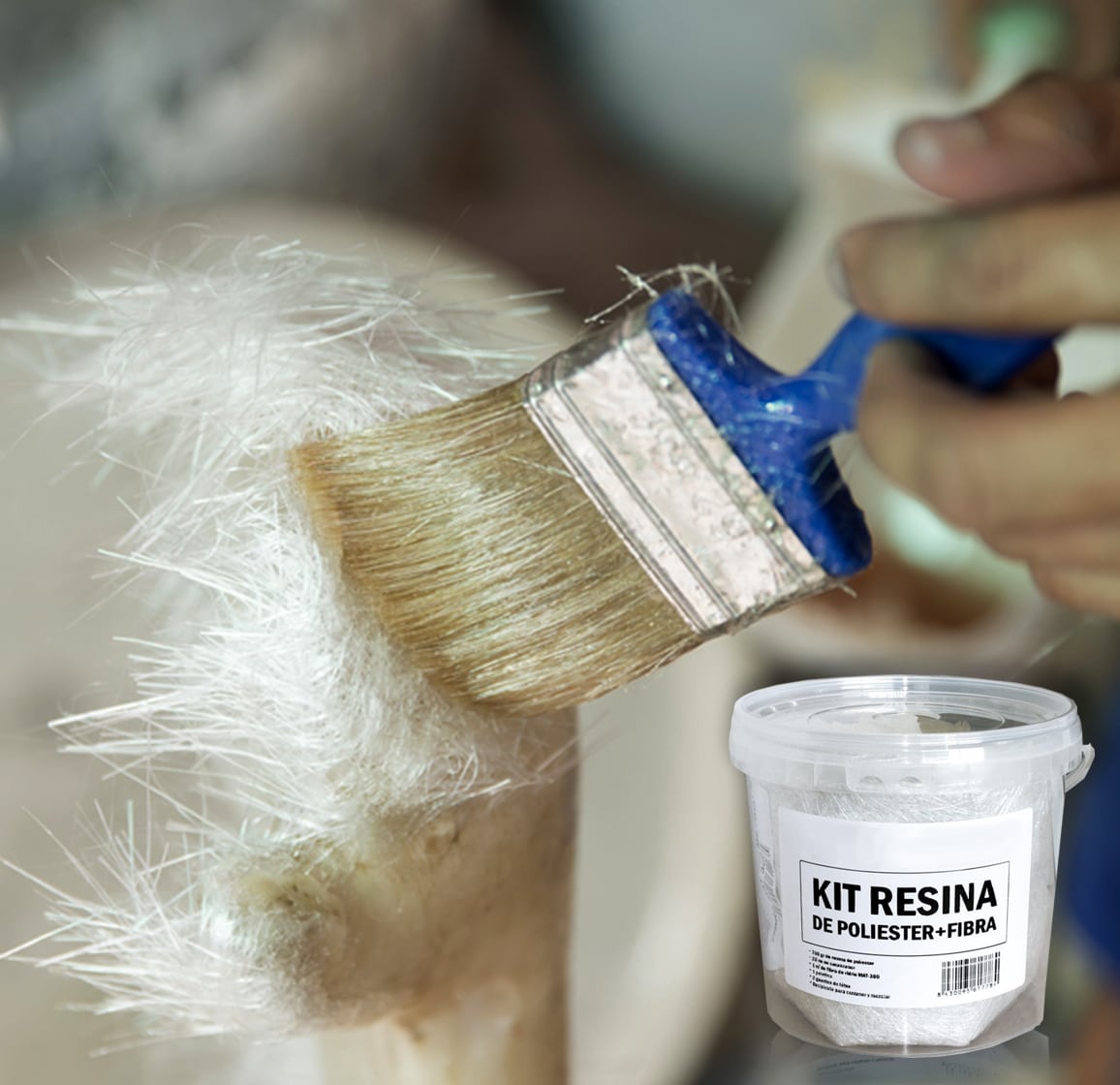
Essential Materials and Planning Visuals
Visualise your semi-cabin build in stages – gather frame materials, quality resins, and professional tools before work begins. Detailed drawings, cut lists, and resin reference charts help streamline the process from start to finish.
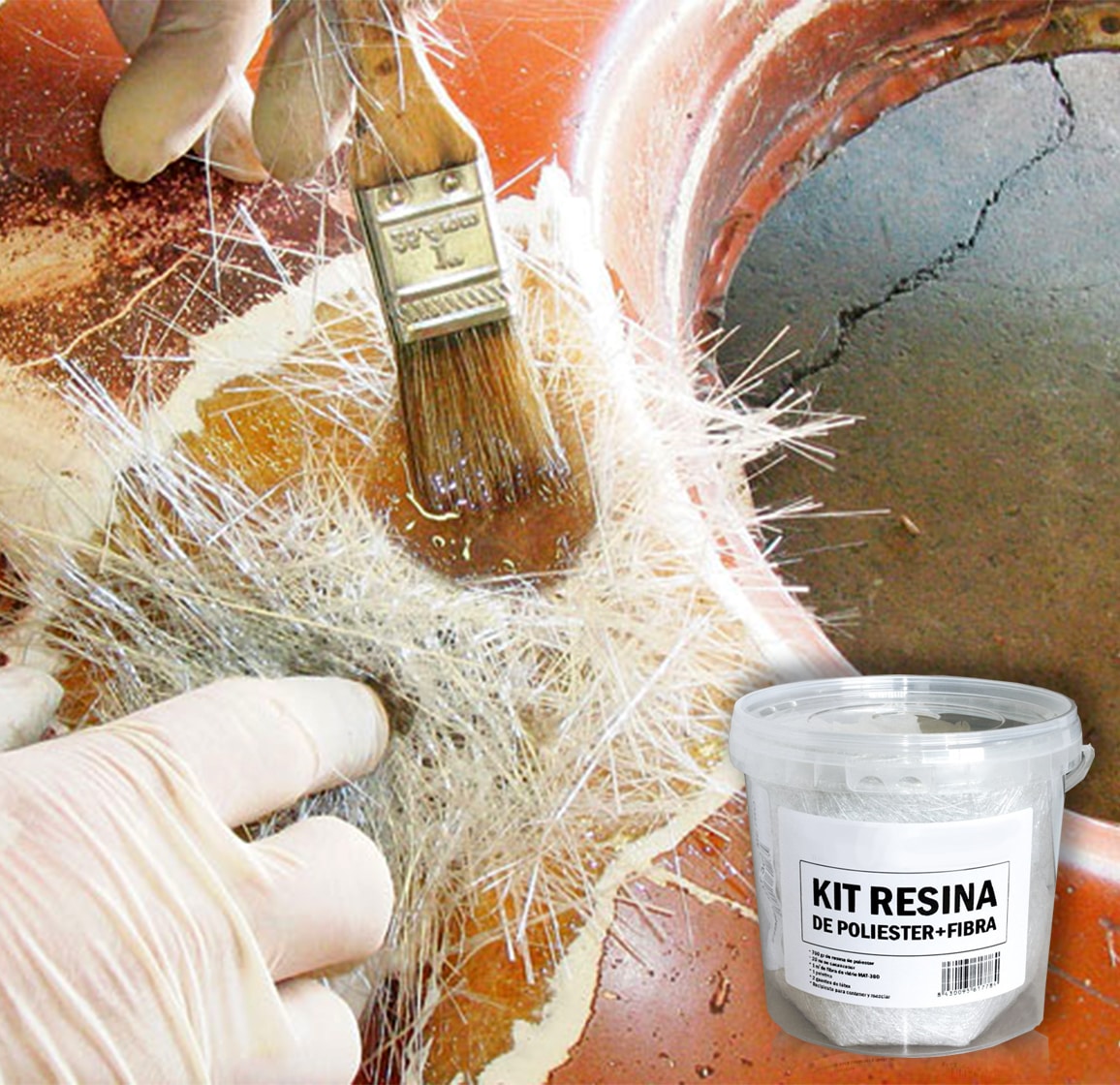
Step 1: Plan Your Project and Gather the Right Materials
Careful planning is vital before starting your semi-cabin build. Measure your area, sketch out detailed cabin designs, and establish the final purpose—such as boat canopy, garden pod, or studio space. Calculate required frame strength and assess potential weather exposure. Compile all materials ahead to avoid delays and ensure every element fits together smoothly.
Plan your project and gather the right materials for success. Don’t forget to include enough resin and reinforcements for all load-bearing sections.
Step 2: Prepare the Frame and Surfaces Thoroughly
Construct the primary cabin frame using timber or compatible composites. Take special care to ensure all joints are square and fastenings are robust to offer a sound base for resin application. Sand all joining surfaces smooth to maximise adhesion and degrease any existing panels to eliminate dust, oils, or contaminants that could compromise layering.
If repairs or rigid surface reinforcement are necessary, the Resin Fibreglass Repair Kit – Complete Polyester Resin and Hardener Set is an excellent solution. This kit helps establish a solid, waterproof foundation by binding new and existing elements seamlessly.
Prepare the frame and surfaces thoroughly for resin laminating and casting to achieve professional and lasting results.
Step 3: Laminate and Reinforce with Resin and Fibre Layers
Laminate fibreglass, carbon fibre, or composite mats over the structural surfaces of the cabin. Mix your resin according to manufacturer instructions, applying it evenly to thoroughly saturate all reinforcing fabrics. For larger or technical areas requiring high mechanical strength, “Carbon Resin” – Epoxy Resin for Carbon Fiber & Fiberglass Coating delivers lasting durability and an even, glossy finish.
Work in manageable sections, smoothing the fibres to eliminate air bubbles and wrinkles. Take care not to overwork the resin to avoid surface imperfections.
Laminate and reinforce with resin and fibre layers to provide your semi-cabin with a weatherproof, impact-resistant outer shell.
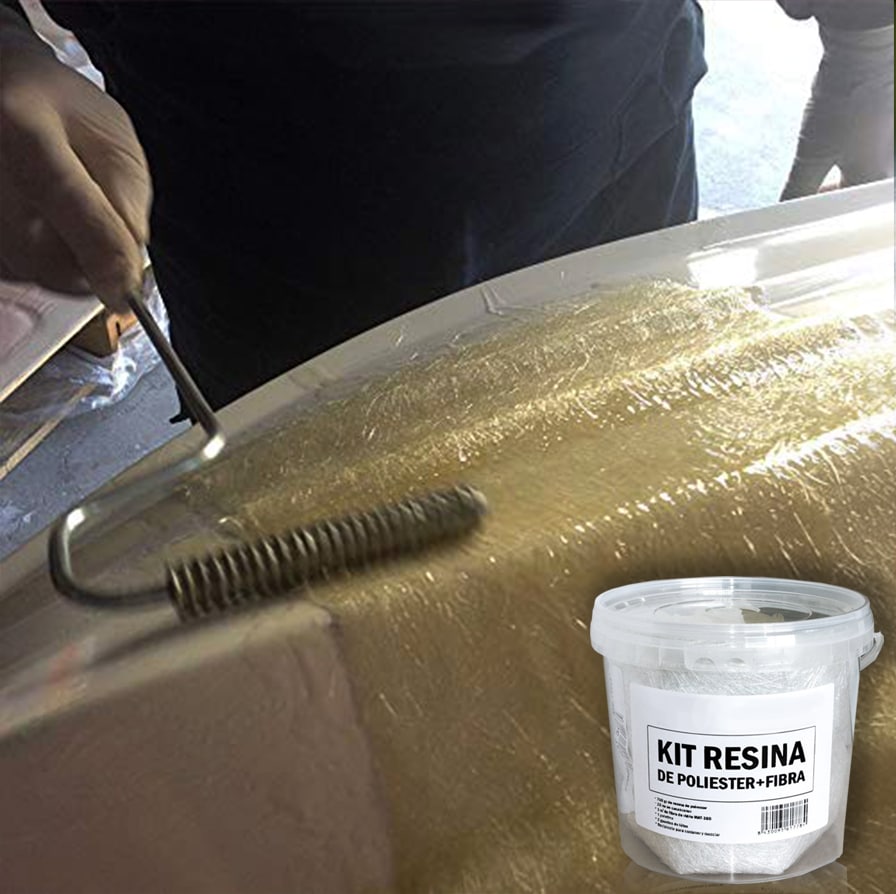
Step 4: Cast and Seal Using Deep Pour Resin Techniques
For thicker, transparent panels or features, use an appropriate deep pour resin. Where pour depth is required—such as window sills, robust corners, or integral clear sections—select resins that match the intended thickness. The “Epoxytable 10-Ten” – Deep Pour Epoxy Resin for Tables, Up to 10cm Casting is particularly suited for pours up to 10cm, ensuring clarity, UV protection, and strength.
Where decorative detail or thin casts are needed, apply “Trasparente” – Multipurpose Clear Epoxy Resin for Casting – Up to 2cm, remembering not to exceed the specified thickness in one pour to prevent overheating.
Keep the environment dust-free, and allow full curing time between layers for optimal results. Cast and seal using deep pour resin techniques to create seamless, beautiful finishes throughout your semi-cabin.

Tips and Common Mistakes to Avoid
Work in a clean, dry, and well-ventilated environment to prevent dust or moisture from compromising resin surfaces. Always wear appropriate PPE and follow manufacturer curing instructions carefully.
Check surface compatibility before resin application to ensure excellent adhesion—raw timber, prepped metal, and fibreglass offer the best results. For older existing surfaces, assess if sanding or a suitable primer is necessary.
Respect resin layer thickness limits for each product: attempting thicker pours than specified can cause yellowing, overheating, or incomplete curing. Never rush the curing process, as this risks structural weaknesses.
Surface Preparation and Lamination Examples
See examples of well-prepared surfaces and laminated resin structures to set the benchmark for your own build. Notice the consistent resin application, lack of blemishes, and edge reinforcement at transitional zones.
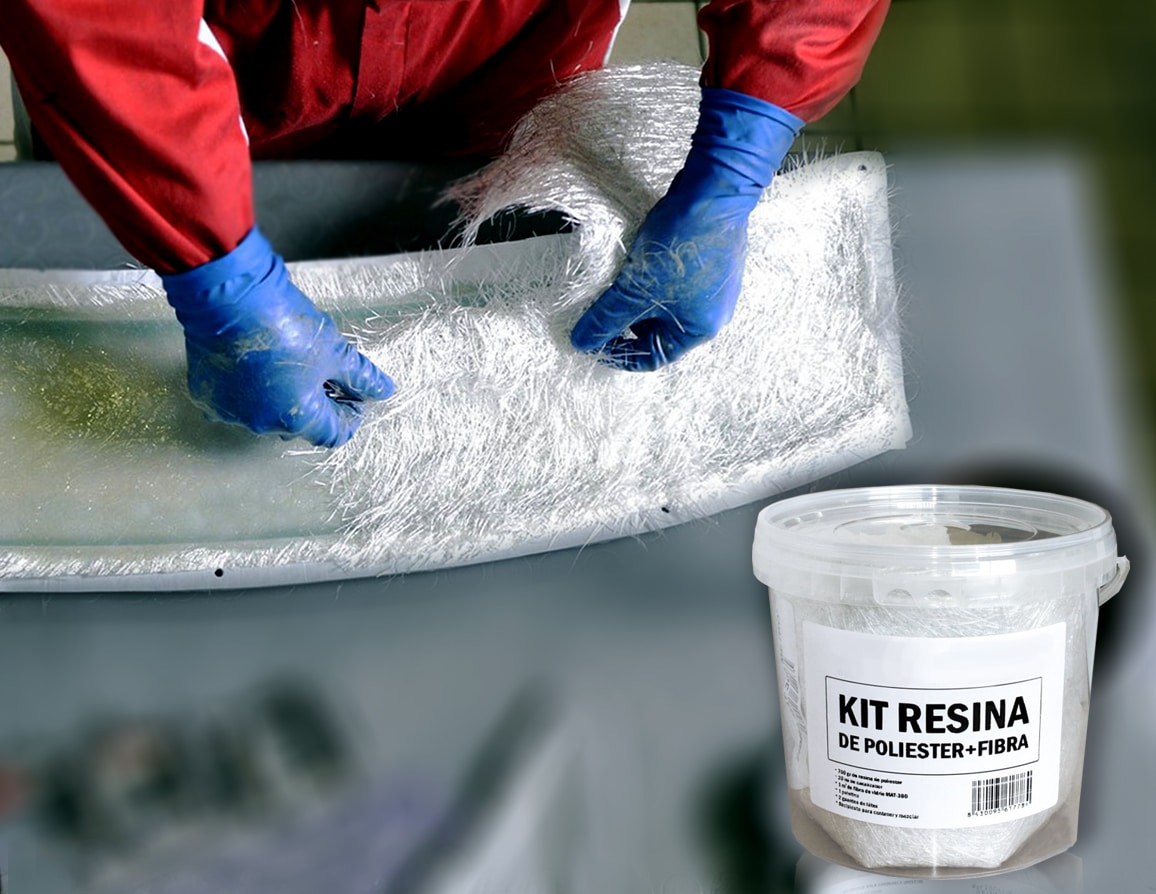
- Resin Fibreglass Repair Kit – Complete Polyester Resin and Hardener SetResin Fibreglass Repair Kit offers structural reinforcement using polyester resin and fibreglass mat, suited for various repairs within this theme.
- "Carbon Resin" – Epoxy Resin for Carbon Fiber & Fiberglass CoatingPrice range: £19.95 through £37.95"Carbon Resin" is designed for composite and technical fabric coating with durable, bubble-free impregnation suitable for structural use.
 "Trasparente" – Multipurpose Clear Epoxy Resin for Casting – Up to 2cmPrice range: £8.95 through £397.95"Trasparente" clear epoxy resin offers a self-levelling, ultra-clear finish up to 2cm thick, suitable for woodworking and restoration.
 “Epoxytable 10-Ten” – Deep Pour Epoxy Resin for Tables, Up to 10cm CastingPrice range: £35.95 through £351.95Epoxytable 10-Ten is designed for deep resin pours up to 10cm, suitable for tables and artistic projects, aligning with how you build a 6m resin…
Frequently Asked Questions
Can I use these resins for boat cabins?
Yes, the listed resin systems are suitable for semi-cabins on boats and other moisture-prone environments, ensuring waterproof bonding and reinforcement.
How do I avoid bubbles in resin layers?
Apply resin in thin, manageable layers and use a spreader or roller to work out bubbles before curing. Avoid pouring in humid or dusty conditions.
What are the thickness limits per resin?
Follow product guidelines closely: Trasparente up to 2cm per pour, Epoxytable 10-Ten up to 10cm, and always avoid exceeding specific product thickness limits.
Do I need to layer resin for large projects?
For pours exceeding recommended thickness or surface area, pouring in layers allows proper curing and prevents overheating, especially with deep pour resins.
How can I strengthen a resin semi-cabin?
Combine frame reinforcement, fibreglass lamination, and compatible resins to optimise strength and impact resistance across structural areas.
What safety measures should I follow?
Always wear gloves, goggles, and a respirator mask in a ventilated space when working with resins, and prevent direct skin or eye contact.