 Free shipping on orders over £29,85
  Shipping Tracking!


 Google
 Facebook
How to seal grout lines with clear resin?
Step-by-step guide for transparent grout protection and longevity
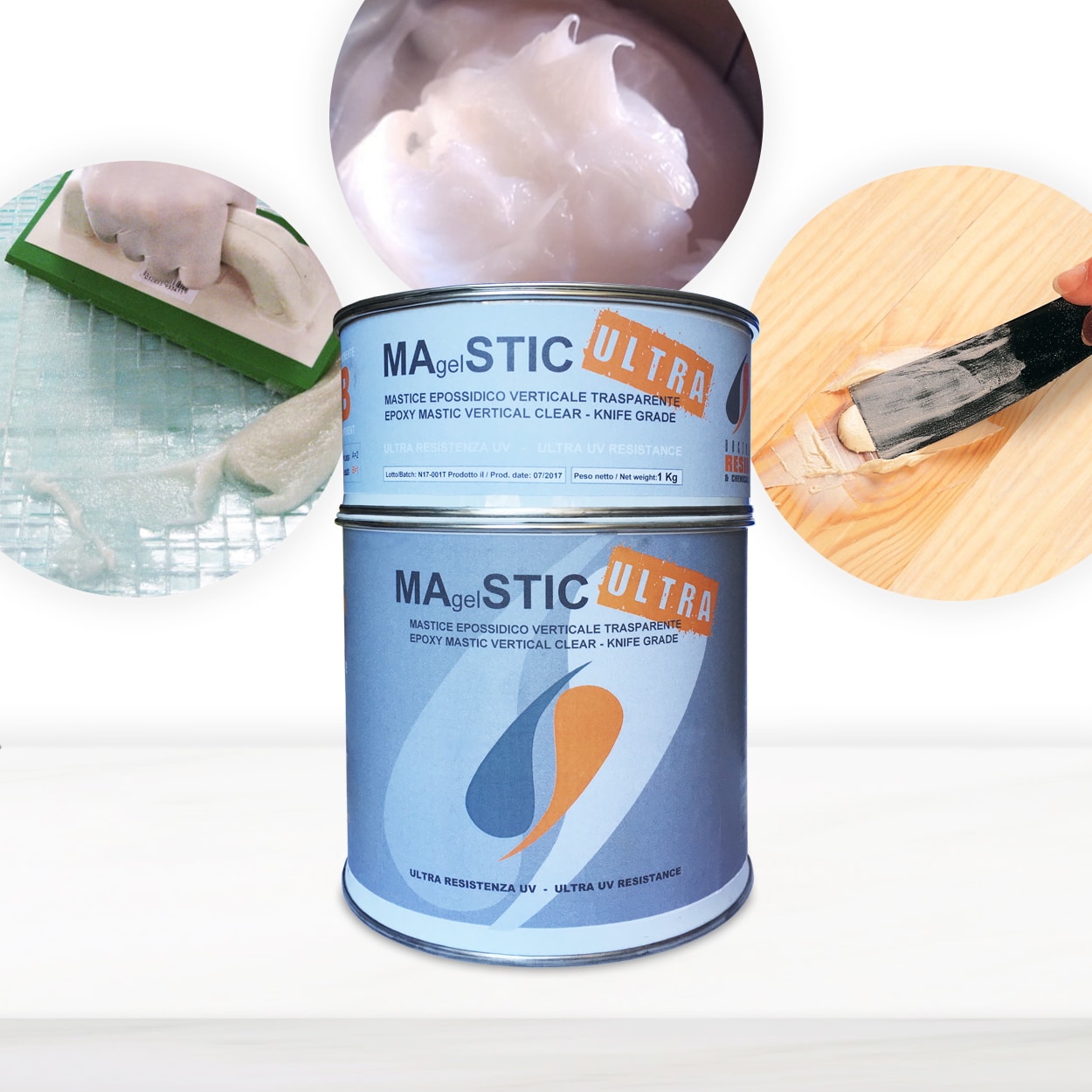
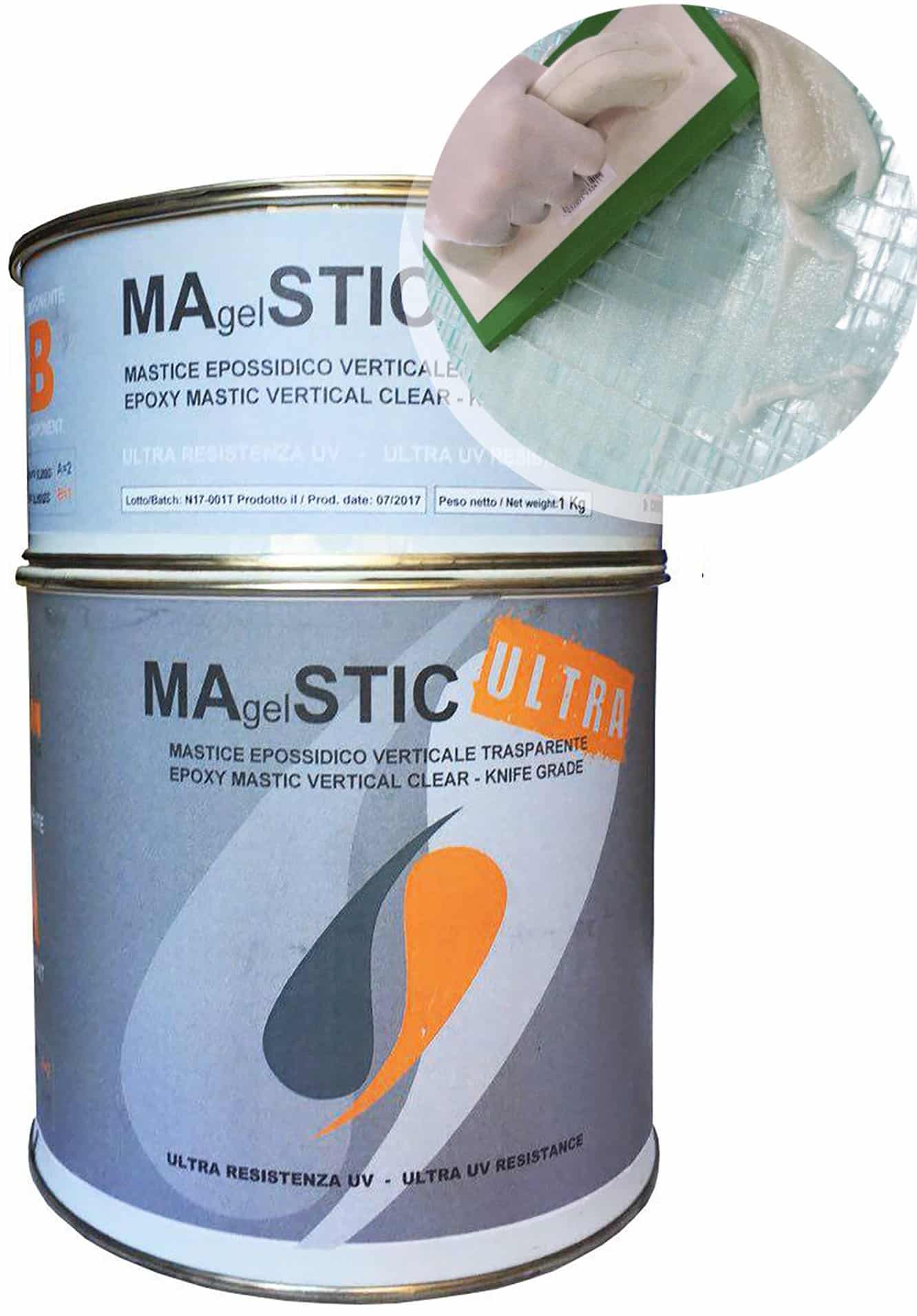
Sealing grout lines with clear resin offers practical protection against staining, moisture ingress, and discolouration while enhancing the aesthetic of tiles and stone. Whether updating a kitchen splashback, bathroom, or stone flooring, this guide will help you achieve a durable, transparent seal that keeps your surfaces looking their best and makes cleaning much easier over time.
What You’ll Need
- “Magelstick” – Epoxy Mastic for Stone, Metal, and Cement Bonding and Grouting – ideal for precise application and vertical joints.
- “EpoxyFood” – Certified Clear Food Contact Epoxy Resin for Coating – best where food safety is required, such as kitchen surfaces.
- “Resinstone” – One-Component Methacrylic Resin for Concrete Floors and Driveways – suited for sealing grout on large concrete or exterior tiled areas.
- “Trasparente” – Epoxy Binder for Coloured Pebbles and Grits – excellent for permeable and decorative pebble flooring.
- Protective gloves and mask
- Masking tape
- Small brush or spatula
- Cloths for cleaning excess resin
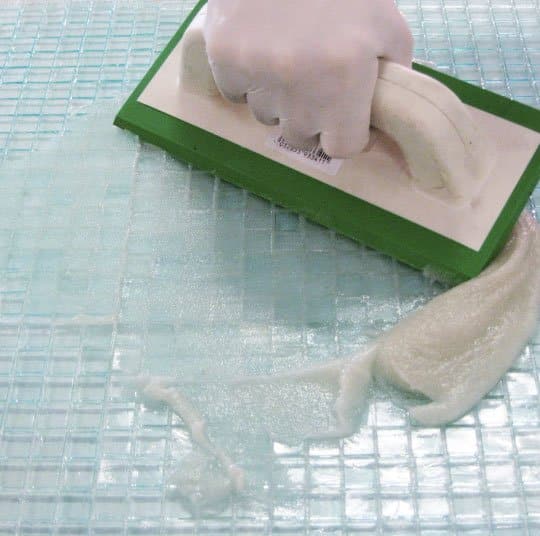
Essential tools and setup for grout resin sealing
Gather all materials and tools before you begin, ensuring the workspace is clean, dry, and properly ventilated. Using the correct resin and precise application methods will help you achieve professional and long-lasting results.
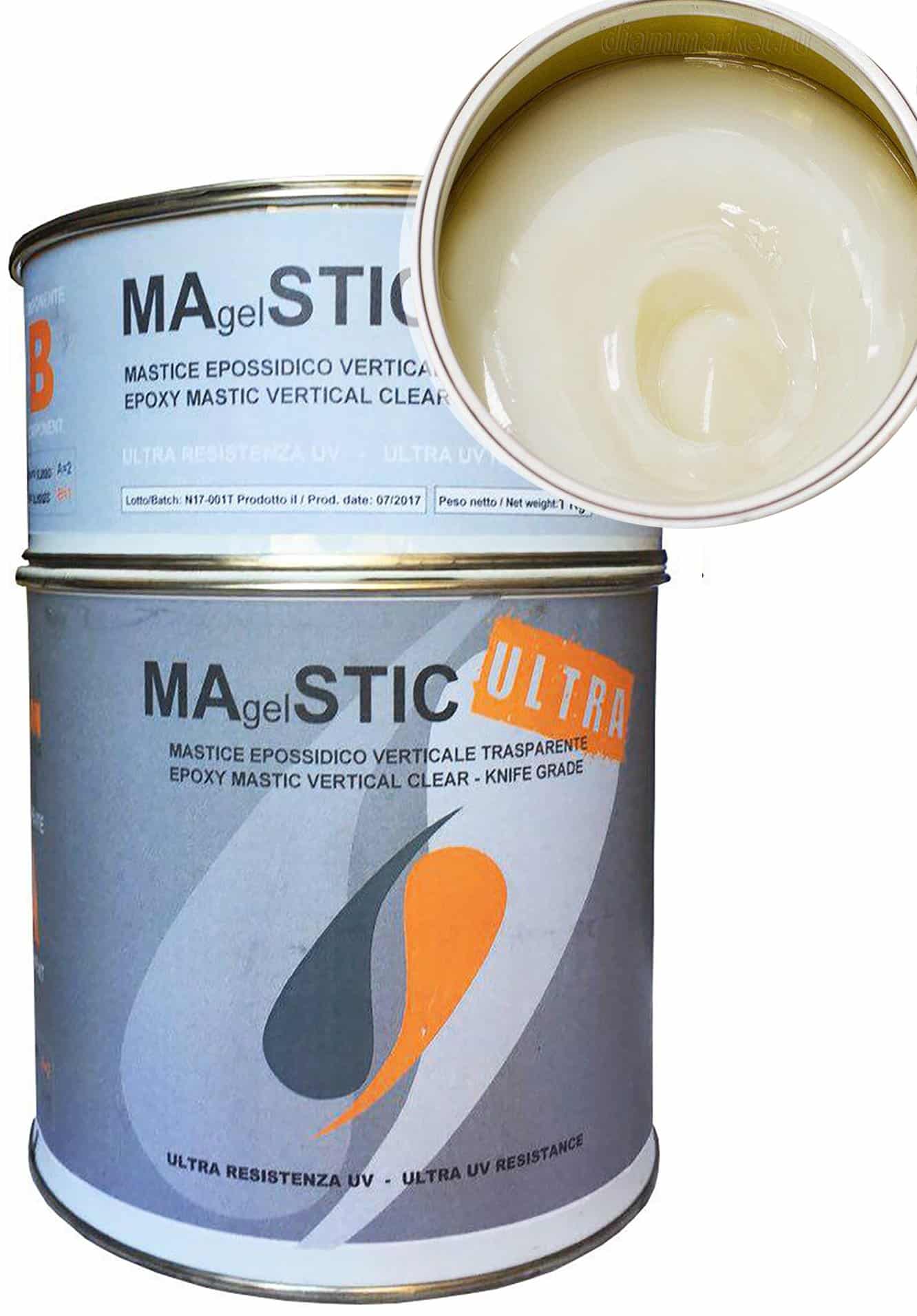
Step 1: Clean and Prepare Grout Lines
Begin by thoroughly cleaning the tile surface and grout lines with a neutral cleaner. Remove all dirt, soap scum, and any previous sealants. Allow the area to dry completely before proceeding. Ensure grout is fully dry and dust-free—trapped moisture can affect adhesion and clarity. For best results, use a brush or vacuum to clean within the joints.
If tackling newly grouted lines, ensure they have cured as per the grout manufacturer’s instructions before starting the resin sealing process.
Step 2: Mask Off Adjacent Tile Edges
Apply masking tape along the edges of your tiles, leaving only the grout lines exposed. This precaution protects your tiles from accidental drips or overspread of resin and ensures a crisp, defined finish. This is especially helpful when using higher viscosity options such as “Magelstick” – Epoxy Mastic for Stone, Metal, and Cement Bonding and Grouting, which allow for very precise application along edges.
Press the tape down firmly to prevent seepage beneath it during resin application.
Step 3: Mix and Apply the Clear Resin
Choose the most appropriate resin for your project: for food-safe areas, opt for “EpoxyFood” – Certified Clear Food Contact Epoxy Resin for Coating; for stone or cement grouting, “Magelstick” – Epoxy Mastic provides high precision and excellent results on vertical and horizontal joints. Always mix the resin components exactly as directed on the pack to ensure a proper cure and optimal clarity.
Using a small brush, spatula, or syringe, carefully fill the grout lines with resin. Apply resin carefully to avoid overfilling. Work in sections, smoothing the surface and wiping away any excess before it cures. Keep the working area well-ventilated and wear gloves when handling and applying resin-based products.

Step 4: Remove Tape and Allow Full Curing
After filling the grout lines, gently remove the masking tape while the resin is still tacky to prevent it from bonding to the tape. Tidy up any minor smears on tile edges with a solvent-dampened cloth. Allow full curing before exposing to moisture. Curing times may vary between products—always refer to the label. During curing, protect the area from dust and accidental contact.
When working on larger floor areas, products like “Resinstone” – One-Component Methacrylic Resin or “Trasparente” – Epoxy Binder for Coloured Pebbles and Grits may be preferable for broad coverage and long-lasting protection.

Tips, Common Mistakes, and Troubleshooting
- Tip: Mask tile edges for crisp results—especially important for gloss resins.
- Mistake: Rushing the cleaning or preparation can lead to poor adhesion or cloudy results.
- Mistake: Skipping protective equipment risks skin contact and inhalation of uncured materials.
- If bubbles appear in the resin after application, use a toothpick or gentle heat to pop them before curing starts.
- Always check compatibility if applying over coloured grouts or unique stone types—do a small test if uncertain.
Finishing touches and troubleshooting tips
Patience during curing and careful removal of masking tape significantly enhance the final appearance of your grout lines. If small imperfections occur, minor touch-ups can be made with a fresh batch of resin after full cure.
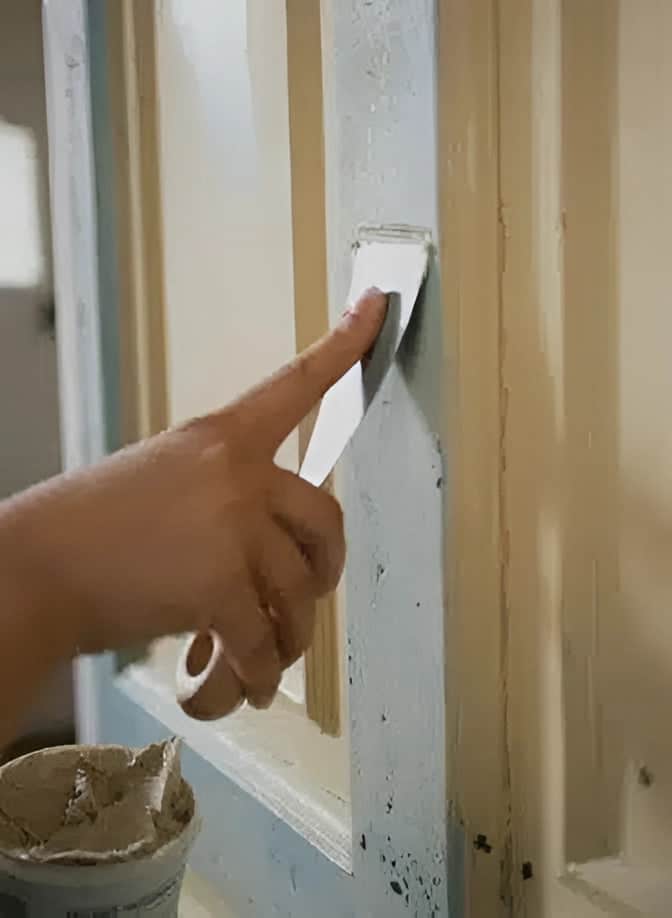
- "Magelstick" – Epoxy Mastic for Stone, Metal, and Cement Bonding and GroutingMagelstick Epoxy Mastic is designed for bonding and grouting stone, metal, and cement surfaces, supporting vertical applications in both interior and…
- "EpoxyFood" – Certified Clear Food Contact Epoxy Resin for CoatingPrice range: £20.95 through £146.95"EpoxyFood" is a transparent, food-safe epoxy resin suitable for coating kitchenware with clarity and a gloss finish.
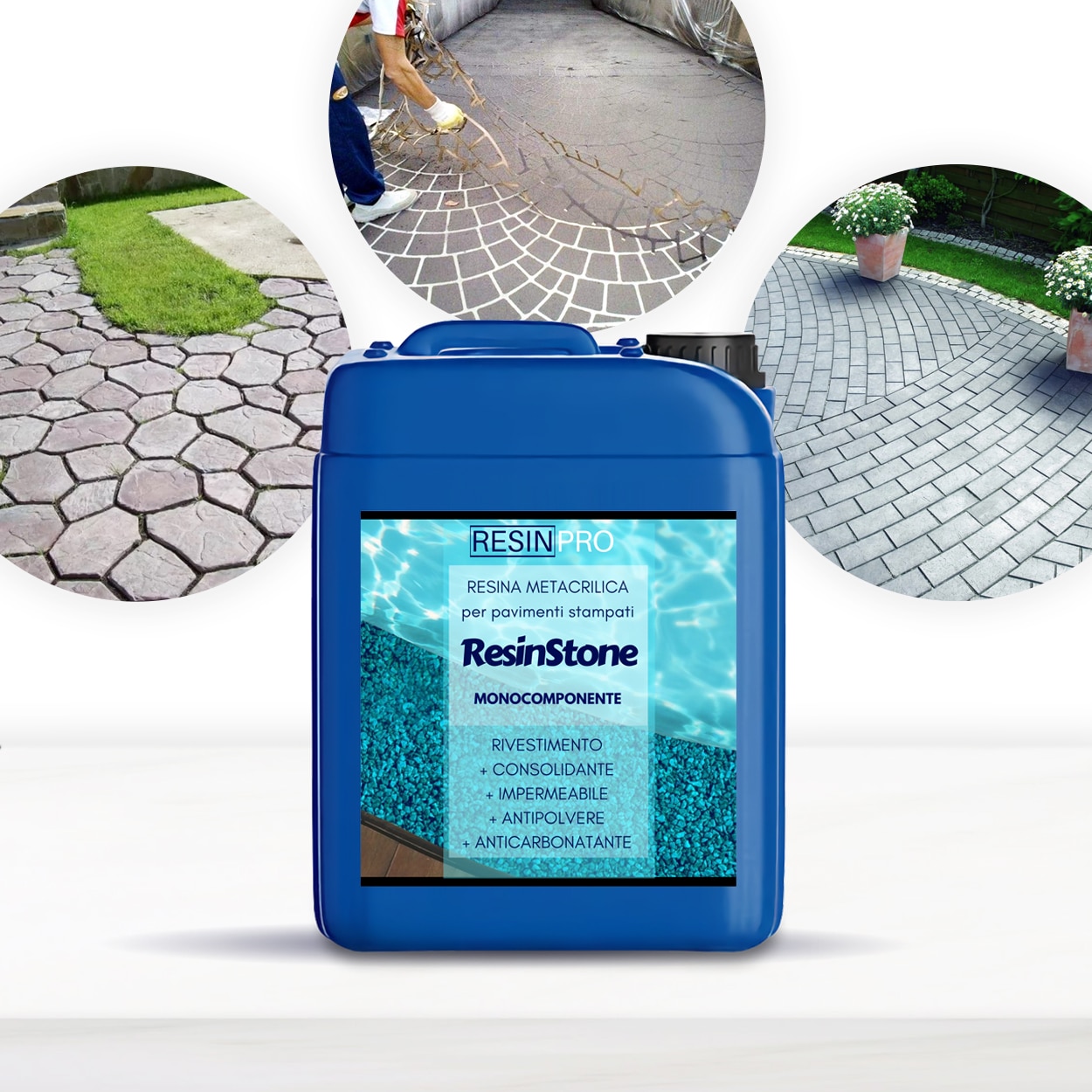 "Resinstone" – One-Component Methacrylic Resin for Concrete Floors and DrivewaysPrice range: £36.71 through £336.48"Resinstone" is a one-component methacrylic resin designed for sealing and protecting concrete floors with deep penetration and mechanical resistance.
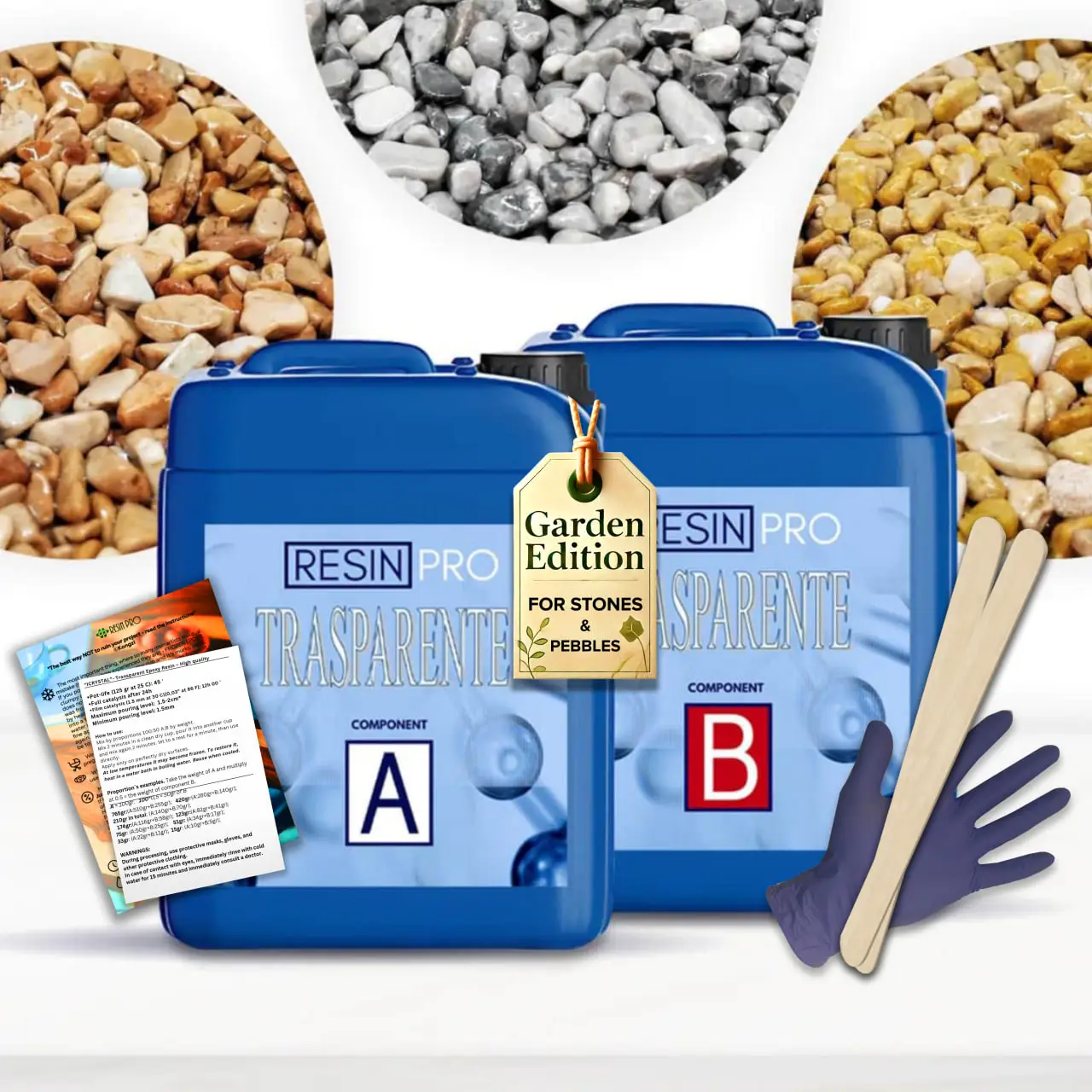 "Trasparente" – Epoxy Binder for Coloured Pebbles and GritsPrice range: £33.45 through £397.95Transparent epoxy binder designed for coloured pebbles and grits, providing a clear, UV-resistant finish suitable for decorative and permeable floors.
Frequently Asked Questions
Is clear resin suitable for sealing grout lines in kitchens or food prep areas?
For kitchens or food prep zones, always select a food-safe resin such as EpoxyFood, certified for contact with food.
How long does clear resin take to cure on grout lines before use?
Most resins require up to 24 hours for initial cure, but full mechanical and water resistance develops over several days.
How should I clean my tiles after resin sealing grout?
Use a soft, damp cloth to wipe the resin before it fully cures; avoid harsh chemicals that could mar the finish.
Can any clear epoxy resin be used on tiled grout lines?
Not all resins are suitable. Choose a product matched to your substrate and intended use, especially if food contact is involved.
Why should I use clear resin instead of regular grout sealer?
Clear resin provides greater durability, stain resistance, and forms a seamless, transparent barrier for easier maintenance.
What should I do if bubbles form during resin application?
Gently pop bubbles with a toothpick or light heat source before the resin sets for a smoother finish.