 Free shipping on orders over £29,85
  Shipping Tracking!


 Google
 Facebook
← Back to How to use very resinous wood?
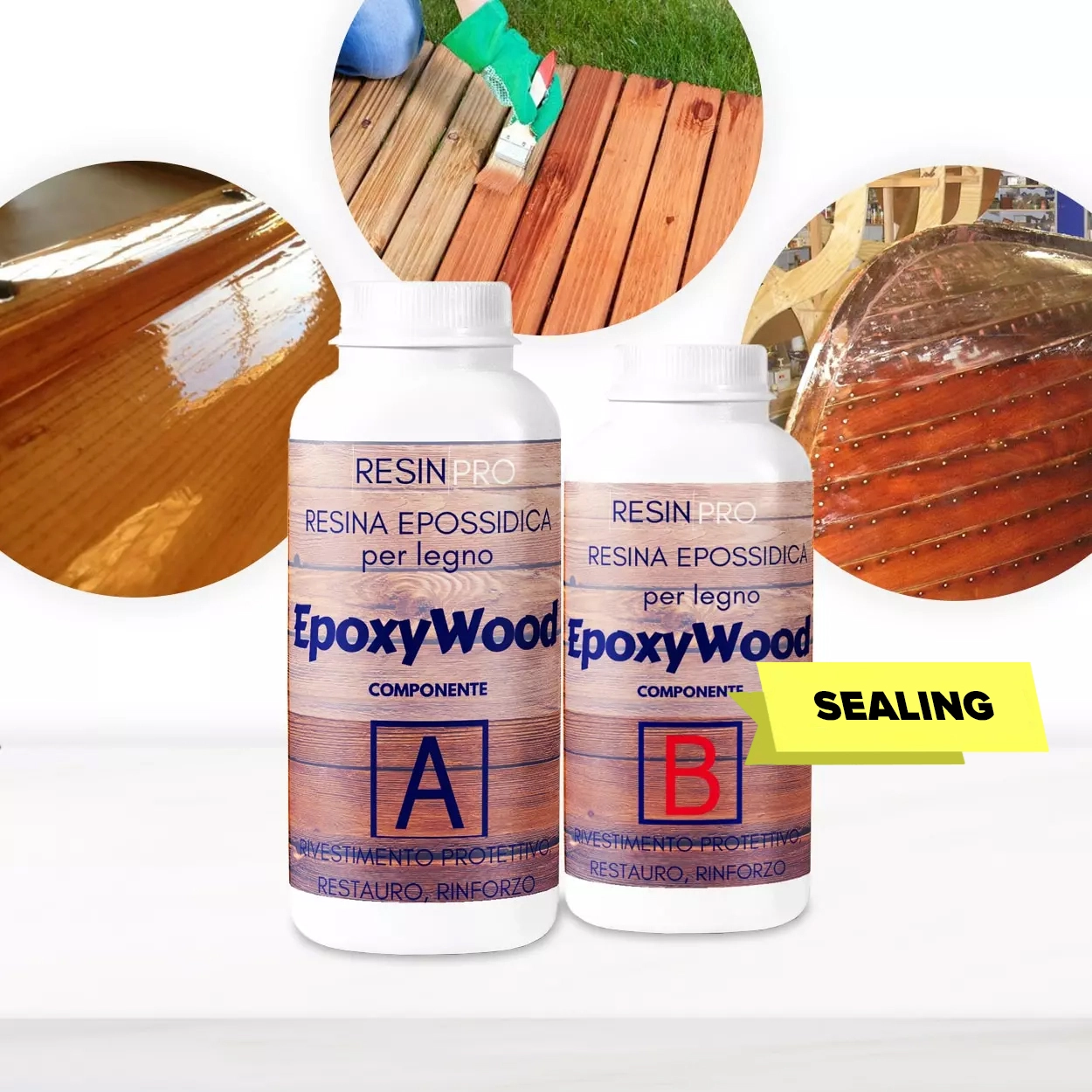
Very resinous woods can be tricky to seal, but with the right method and materials, you can achieve a strong, lasting, and attractive finish. The key is careful preparation and choosing products designed for deep penetration and protection.
Why Sealing Resinous Wood Requires Special Care
Woods with high resin content—like pine, larch, or certain exotics—often resist traditional paints and varnishes due to natural oils and sap. Over time, these substances can seep through finishes, causing peeling or staining. Using a purpose-made sealer stops these issues at the source, locking in resins and providing a stable surface for further finishes.
Preparation: The Foundation of a Good Seal
Thorough surface preparation is crucial. Start by ensuring the wood is completely dry, as moisture will hinder adhesion. Sand the surface to open the pores and remove dust. For extra effectiveness, wipe down the area with a suitable degreaser, such as the Strong Technical Degreaser, which safely removes oils and contaminants without harsh chemicals.
Epoxy Application for Deep Sealing
After preparing the wood, use a deep-penetrating epoxy resin like EpoxyWood. Its ultra-low viscosity allows it to soak into wood fibres, locking in sap and strengthening the structure. Apply using a brush or roller, and let the resin fully cure before adding any topcoat or finish. This process waterproofs and reinforces the wood, making it suitable for further decorative or protective coatings.
When This Matters Most
Effective sealing is especially critical for outdoor woodwork, furniture restoration, and high-traffic areas. By using a specialist epoxy treatment, you reduce maintenance and prolong the beauty and integrity of your wooden surfaces.
Related products
Related guides
Sealing very resinous wood properly means fewer problems down the line and a superior result. For a broader overview of best practices and further wood project tips, visit our main guide on how to use very resinous wood.