 Free shipping on orders over £29,85
  Shipping Tracking!


 Google
 Facebook
← Back to How to use very resinous wood?
Resin bleed is a common issue when working with woods that contain high levels of natural resin. Preventing bleed-through not only improves the look of your finished project but also ensures strong, even adhesion for any resin coatings or finishes.
Prepare and Clean the Wood Surface
Start by allowing your wood to cure thoroughly, especially if it’s freshly cut. Remove any residual oils or debris with a suitable cleaner; a natural degreaser such as the Strong Technical Degreaser is gentle on both the wood and your skin. Sand the surface evenly to create a stable base for sealing, and always ensure the wood is completely dry before applying any further products.
Sealing is Essential
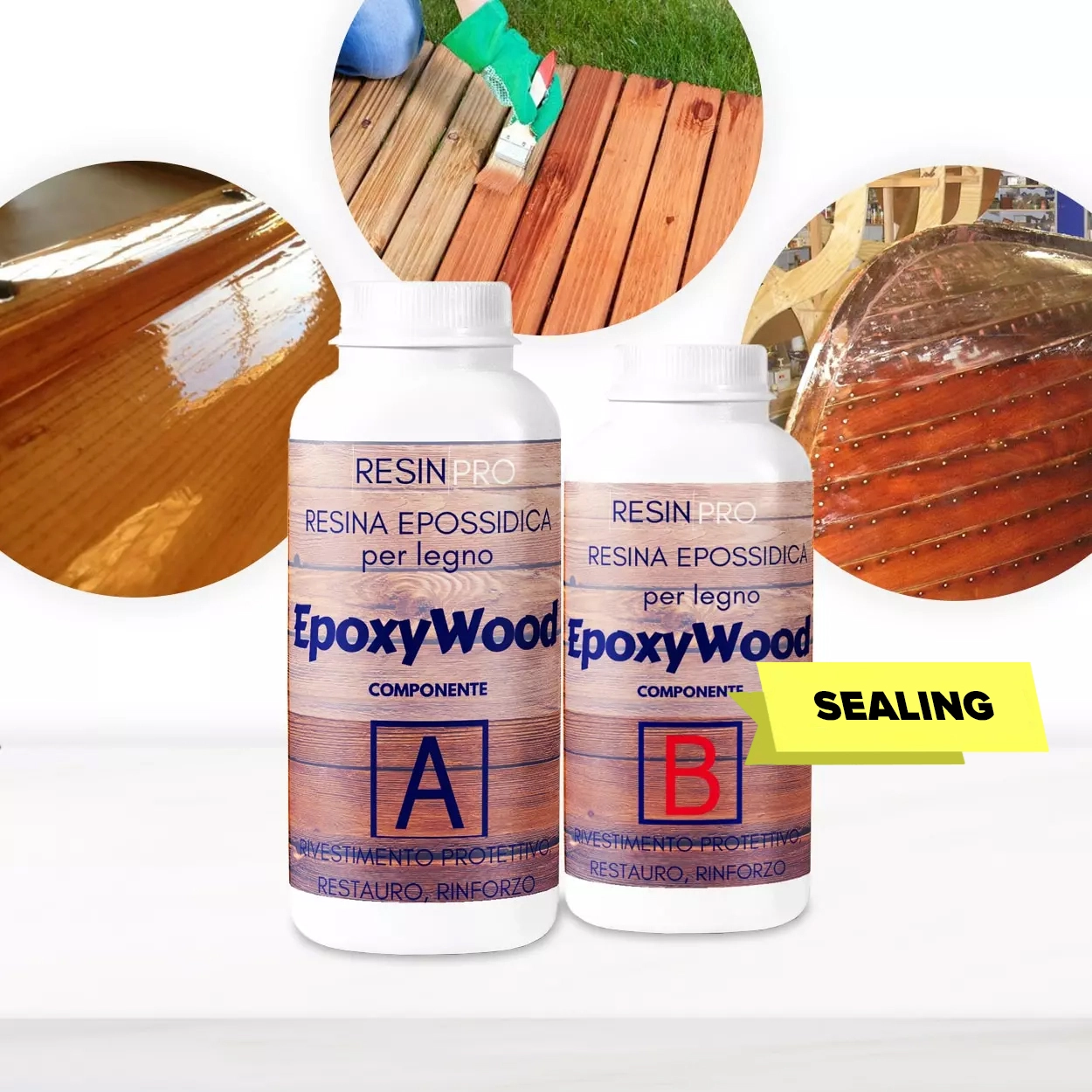
The most reliable method to prevent resin bleed is to apply a sealant before your main resin coat. Using a deep-penetrating product like EpoxyWood – Wood Restoration Epoxy Resin helps stabilise and waterproof the wood surface, locking in natural resins. This step not only reduces the risk of staining or uneven curing but also enhances long-term durability and finish quality.
Choosing the Right Epoxy Resin
After the sealer has cured, you can apply your main resin layer. For projects where a clear, scratch-resistant surface is needed, consider a high-quality product such as Icrystal – Clear Epoxy Resin, which provides a transparent, hard-wearing finish for wood surfaces. Always observe the recommended application thickness for your chosen resin to avoid issues with curing and clarity.
When Does Preventing Resin Bleed Matter Most?
Prevention is particularly important for decorative pieces, tables, or artistic projects where clarity and finish are critical. It’s also essential when working with softwoods or species known for their high resin content.
Related products
Related guides
By following these steps, you’ll reduce the risk of unsightly resin bleed and ensure professional results. For further guidance on working with resinous wood, see our in-depth How to use very resinous wood? resource.