 Free shipping on orders over £29,85
  Shipping Tracking!


 Google
 Facebook
← Back to How to make resin smoother?
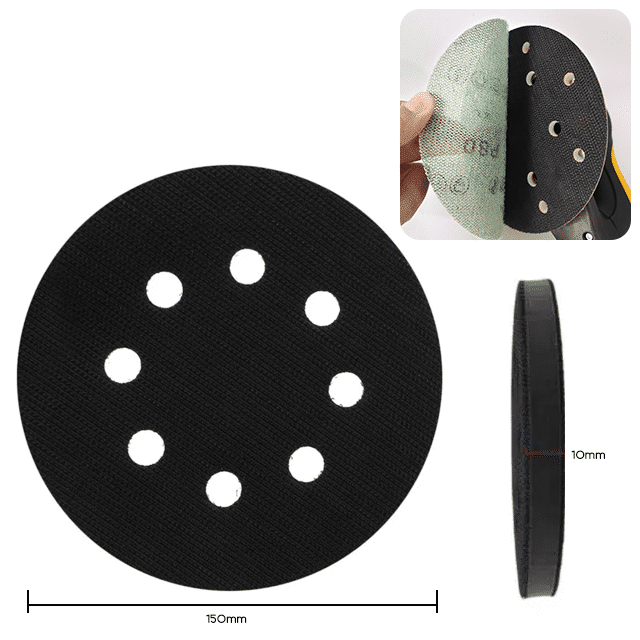

When it comes to sanding resin, not every sander or sanding pad will give you the smooth surface you’re looking for. Choosing the right type of sanding pad is crucial for achieving a refined finish and avoiding accidental scratches or gouges.
Choosing the Right Sander and Sanding Pads
Resin surfaces are best treated with sanding equipment and pads designed for delicate materials. Using standard or aggressive pads can easily damage resin, making the surface uneven or leaving visible marks. Special interface pads, such as the Mirka Sanding Interface Pad, provide a softer, more forgiving buffer between the sanding disc and the resin. This reduces pressure hot spots and helps achieve a smoother, scratch-free result.


Practical Sanding Guidance for Resin Projects
For the best results, pair a compatible interface pad with fine-grit sanding discs, and keep your sander moving at a steady pace. Apply minimal pressure, letting the equipment do the work to prevent sanding through the resin layer. After sanding, you can follow up with a polishing compound such as Epoxy Polish to restore the original shine. Hand sanding with the right interface pad is also an option for those finishing smaller or more intricate surfaces.
When This Matters Most
- When working on glossy table tops or clear art pieces where clarity is essential.
- If your resin project requires a highly professional, glass-like finish.
- Whenever you want to avoid costly mistakes from using pads that are too coarse or pressure unevenly.

Related products
Related guides
Using the proper sanding approach keeps your resin projects looking smooth and flawless. For more tips and ideas on achieving polished results, explore our guide on how to make resin smoother.