 Free shipping on orders over £29,85
  Shipping Tracking!


 Google
 Facebook
← Back to How do you recognize a resin statue?
If you are considering buying or identifying a resin statue, one of the most noticeable differences from stone is the weight. This guide explains how resin statues compare, and what it means in practice for display, transport, and use.
Weight Differences: Resin vs Stone Statues
Resin statues are significantly lighter than those carved from stone or even moulded in metal. While resin is denser than most common plastics, it weighs much less than marble, granite, or concrete. This makes resin statues far easier to move, lift, and handle—especially for larger pieces that could be cumbersome or impossible to relocate if made from solid stone.

Practical Implications for Home and Garden
The reduced weight of resin statues is a real advantage if you plan to move your decor with the seasons or want the flexibility to redecorate with ease. Indoors, resin pieces are safer on shelves or mantels. Outdoors, you may want to secure them in windy gardens, but overall, installation is straightforward compared to heavier alternatives.
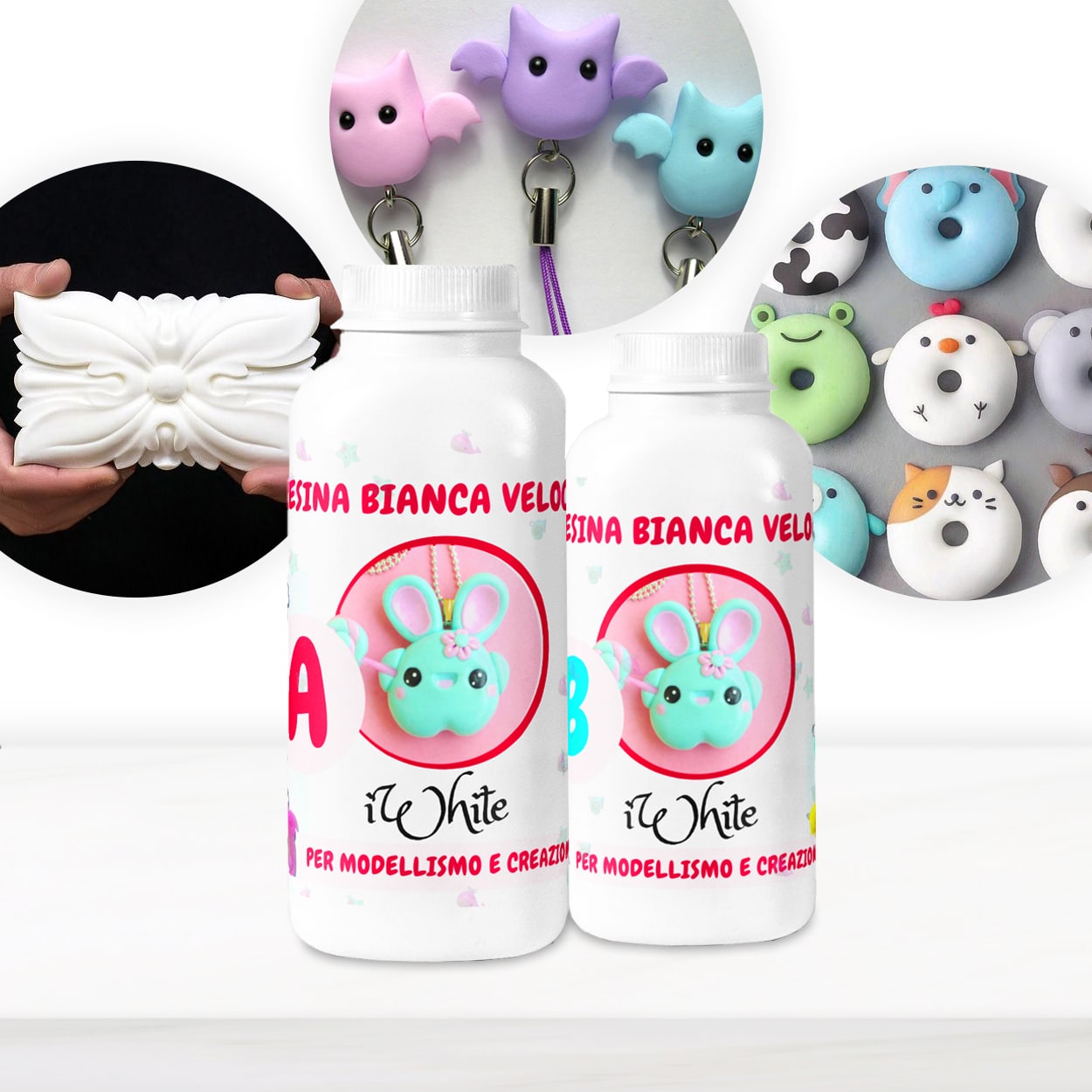
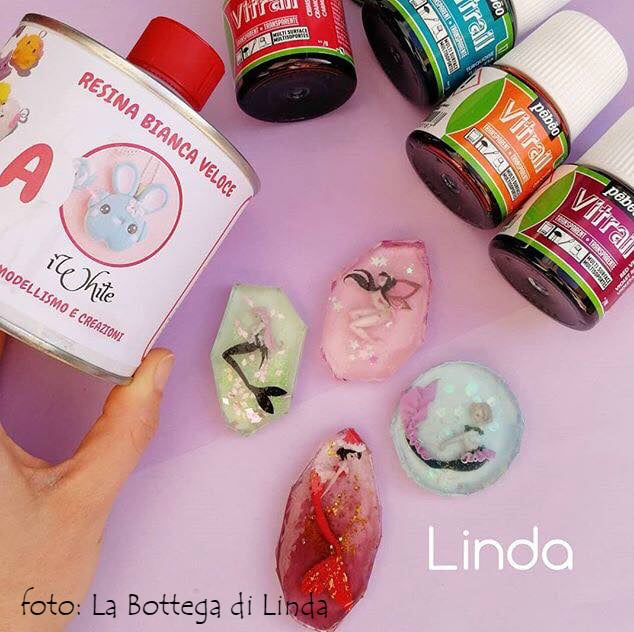
If you are interested in creating your own detailed and lightweight art, some casting resins like the IWhite Polyurethane Casting Resin offer a professional finish suitable for statues that are both sturdy and easy to handle.
When Weight Matters Most
- Display safety: Lightweight resin is less likely to cause damage if it tips over, making it suitable for homes with pets or children.
- Event and exhibition use: If you frequently transport your statues, resin models are ideal for easy setup and breakdown.
- Garden installations: While lighter, resin statues may require anchoring in exposed or windy spots.
Related products
Related guides
Understanding whether a statue is heavy or light is an essential clue in recognising resin craftsmanship. To explore more about identifying resin statues and their unique characteristics, visit our main guide on how to recognise a resin statue.