 Free shipping on orders over £29,85
  Shipping Tracking!


 Google
 Facebook
← Back to How do you recognize a resin statue?
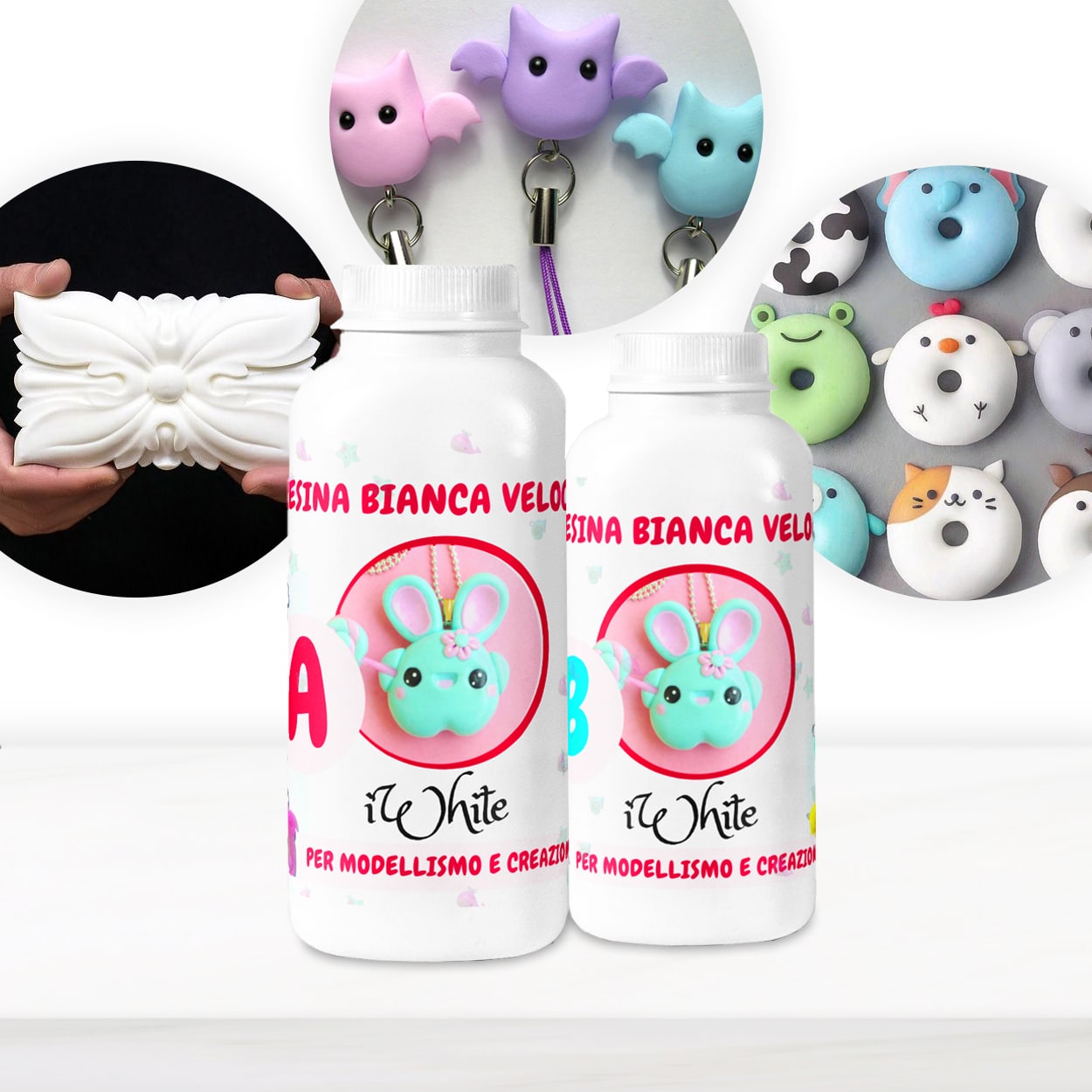

It can sometimes be tricky to tell whether a statue is crafted from resin or ceramic, but a few simple checks will help you spot the difference quickly and confidently.
Spotting the Differences: Touch, Weight and Appearance
Resin statues generally feel noticeably lighter and warmer to the touch than ceramic. Resin is also less prone to feeling cold in your hands, and typically offers a slightly flexible, less brittle texture compared to the hardness of ceramic. In contrast, ceramic statues are heavier for their size, carry a coolness often even at room temperature, and their surfaces and edges may chip more easily if knocked.
- Detail: Resin captures fine surface details and undercuts with relative ease, creating intricate or lifelike shapes.
- Texture: Ceramic tends to be smoother and has a fired, glassy finish; resin feels more matte or gently satin.

Practical Checks When Buying or Collecting
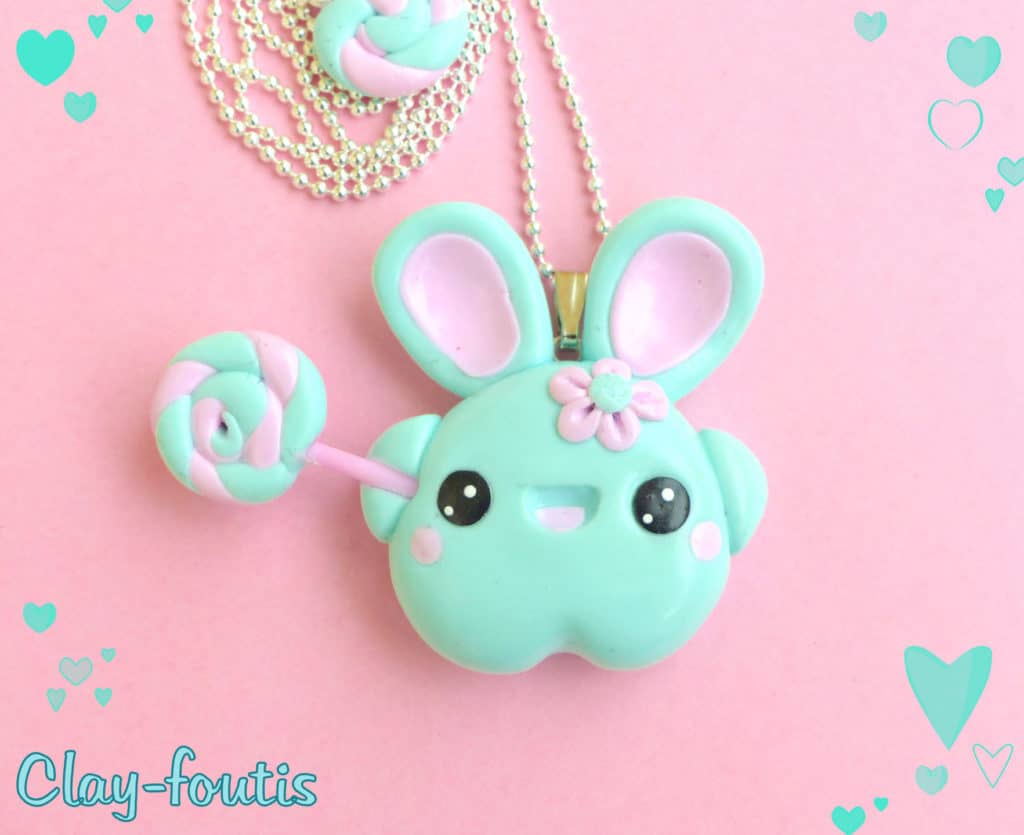
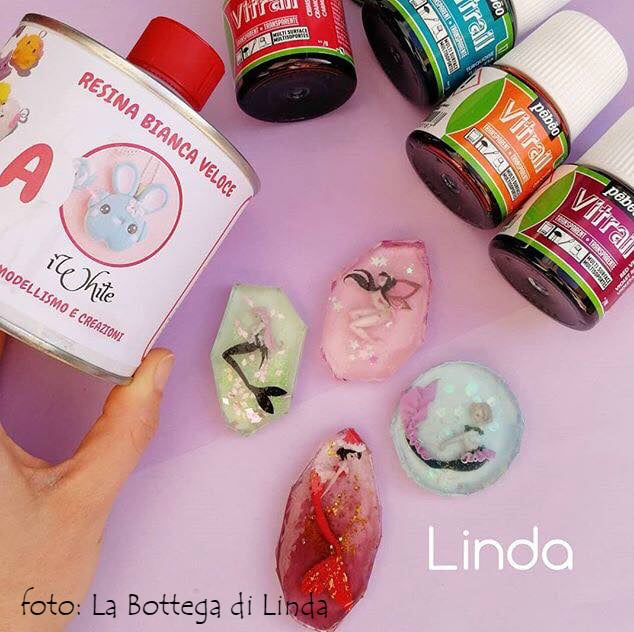
If possible, gently tap or flick the statue. Resin produces a duller sound, while ceramic often has a high-pitched ring. Also, examine the base: ceramic may reveal unfinished, rough clay, while resin is often uniformly coloured and sealed. For those interested in making their own models, products like “IWhite” Polyurethane Casting Resin can be used to achieve sharp detail typical of resin works.
When this matters: Display, Durability & Restoration
Knowing the material is useful if you plan on placing the statue outdoors, need to restore it, or wish to avoid fragile chipping. Resin figures often make safer choices for busy or commercial spaces, while ceramic statues may suit decorative, low-traffic environments.
Related products
Related guides
By learning to distinguish resin from ceramic, you can make informed decisions when buying, displaying, or restoring statues. For more on identifying resin pieces, see our main guide: How do you recognize a resin statue?.