 Free shipping on orders over £29,85
  Shipping Tracking!


 Google
 Facebook
How do you recognize a resin statue?
Identifying statue material by detail, finish, and quality
Whether you are a collector, artist, or simply curious about your décor, recognising a resin statue is easier when you know what to look for. This guide explains the key features of resin statues, including how to distinguish them from alternative materials by examining surface quality, weight, durability, and details. You’ll also find a comparison of leading resin types used for casting statues and learn what sets each product apart.
Resin Statues: Material Comparison & Key Features
Resin statues stand out for their smooth finish, fine detail replication, and durability. They are typically lighter than stone or metal statues and offer artists greater flexibility in creating shapes and textures. In the world of resin, both polyurethane and epoxy play important roles. Polyurethane resins excel in fast, detailed casting, while epoxy resins are valued for deep pour clarity and robust, scratch-resistant surfaces. Understanding which type is used in a statue can often be determined by feel, finish, and colour — polyurethane is often white or beige and cures quickly, while epoxy resin statues may have a glass-like clarity, especially in thicker sections. Below, we highlight top resin products and their distinguishing features so you can better recognise the hallmarks of resin craftsmanship.

Visual Cues to Identify Resin Statues
Examine the statue under natural light to reveal resin’s subtle sheen and smoothness. Feel the piece—resin is often lightweight and slightly warm to the touch. Look for fine details and absence of surface bubbles or irregularities. True resin statues feature precise edges and even colouring across the structure.
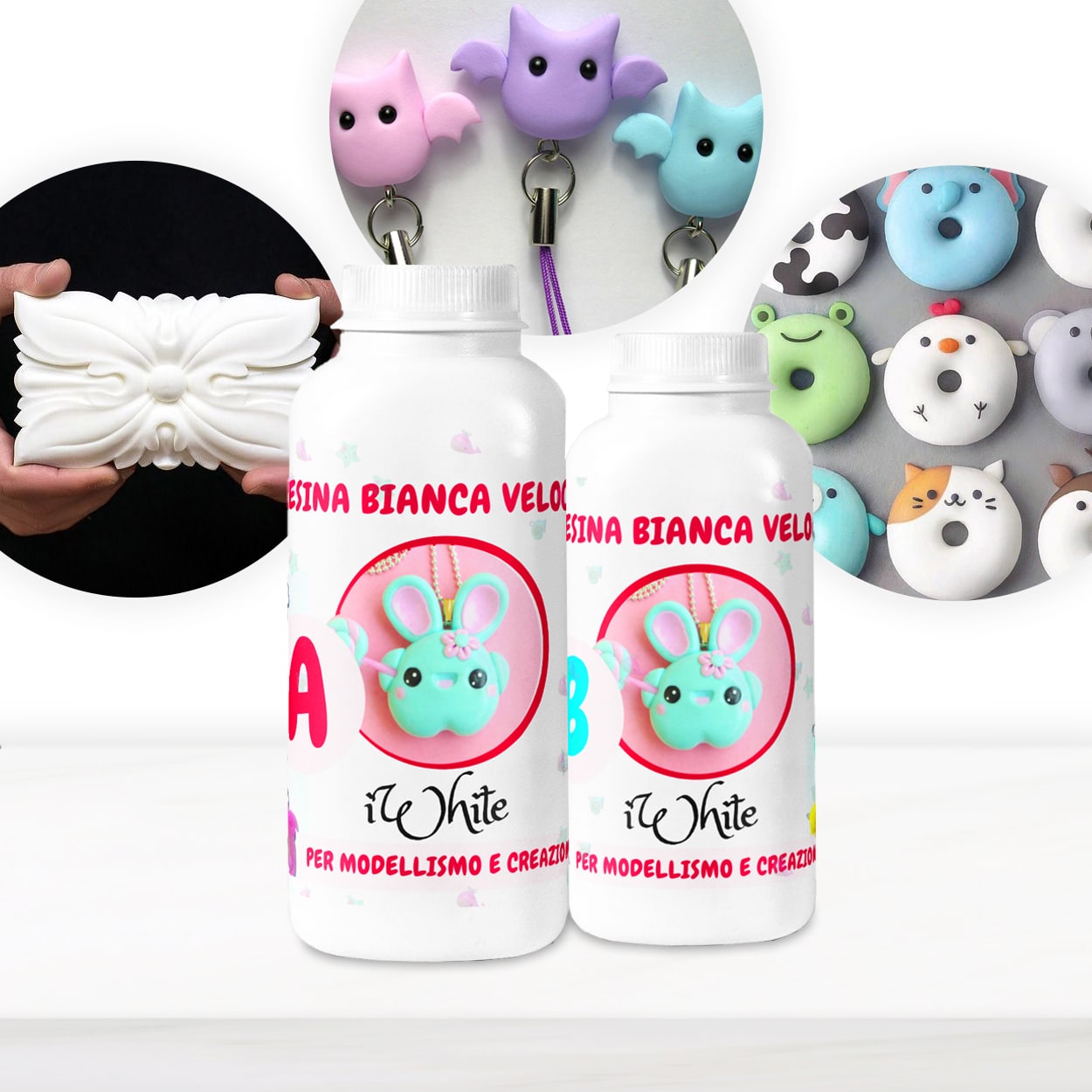
“IWhite” – Polyurethane Casting Resin – White, Fast-Curing Two-Part System
“IWhite” – Polyurethane Casting Resin – White, Fast-Curing Two-Part System is a go-to for artists seeking rapid, highly detailed model creation. Statues made with IWHITE tend to have a crisp, bright white colour, demonstrating smoothness and precision in their features. The resin’s high fluidity ensures every golden detail or tiny accent transfers perfectly from the mould, while its paintability allows for various finishes post-cure. Look for intricately carved details, lightweight structure, and solid, non-flexible feel as telltale signs of an IWHITE-crafted resin statue.
- Fast-setting for efficient prototyping and model creation
- Colourable and paintable in liquid or cured state
- Captures fine details for accurate casting results
- Durable finish after full cure
Ideal for Gift Ideas and Promotions, IWHITE resin statues are commonly found in décor, model displays, and even limited promotional items.
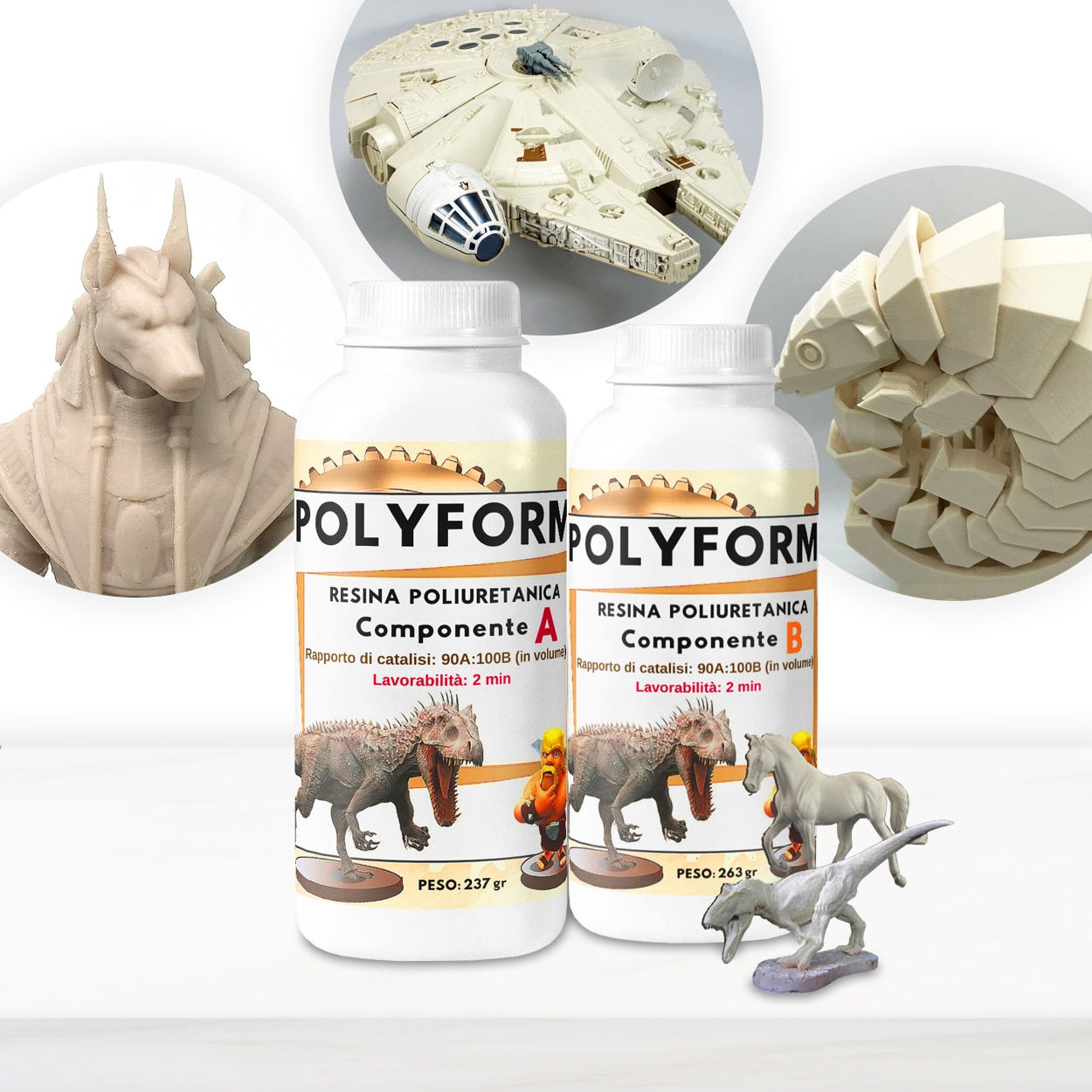
“Polyform” – Polyurethane Casting Resin, Beige, Fast-Setting for Prototyping
If you spot a beige-toned resin statue, it may have been crafted with Polyform – Polyurethane Casting Resin – Beige. This resin is prized for its rapid setting—just five minutes—for fast production of robust, wear-resistant figures. Polyform’s high fluidity and hard finish (Shore A 100) help statues maintain crisp edges even in small or complex designs. Statues are often non-toxic once cured and slightly heavier than those created from less dense resins, yet they retain the hallmark smoothness and definition of high-quality polyurethane.
- Fast setting: Cures in about 5 minutes, ready to demould in 30
- High fluidity: Perfect for complex silicone moulds and fine detail
- Non-toxic: Safe to handle once cured
- Durable: Shore A 100 hardness for wear resistance
This product is a mainstay in products category for 3D models, ensuring that professional modellers and hobbyists alike achieve the reliable detail for which resin statues are known.
“Epoxytable 10-Ten” – Deep Pour Epoxy Resin for Tables, Up to 10cm Casting
For statues requiring exceptional clarity and depth—such as crystal-clear decorative pieces—“Epoxytable 10-Ten” – Deep Pour Epoxy Resin for Tables, Up to 10cm Casting is unmatched. Epoxy resins like this are recognised by their hard, glass-like finish and resistance to yellowing, making them perfect for modern resin art statues or sculptures with embedded objects. While heavier than polyurethane, statues produced with this resin demonstrate ultra-deep casts, seamless clarity, and a solid feel. Ideal for those seeking to identify transparent or semi-transparent works.
- Formulated for high-thickness casting up to 10cm
- Low exothermic reaction to avoid overheating during curing
- Strong UV filters to provide non-yellowing clarity for five years
This resin is typically found in resins for tables and surfaces finishes, but is also highly suitable for unique resin statues requiring significant depth or clarity.
“EpoxyTable 5-Five” – Deep Pour Epoxy Resin for Tables and Large Projects – Up to 5cm
Looking for statues with deep structure but not requiring 10cm thickness? “EpoxyTable 5-Five” – Deep Pour Epoxy Resin for Tables and Large Projects – Up to 5cm produces figures with excellent scratch resistance and a smooth, glossy finish. Its long working time allows artists to craft statues with more intricate forms and clear layers. When recognising an EpoxyTable 5-Five statue, examine its depth, consistent bubbles-free appearance, and robust surface—a result of careful, controlled deep pours and the resin’s advanced mechanical resistance.
- Designed for deep pours up to 5cm thickness with low exothermic heat
- Strong UV filters for non-yellowing up to 5 years
- Highly scratch resistant and mechanical durable surface
- Low viscosity for bubble-free casting
- Long working time allowing careful casting process
- Heat resistant up to 70°C
Statues made with this product are commonly featured in Top Sellers ranges for both contemporary and classic resin art forms.
Tips for Identifying Resin Statues
To confidently recognise a resin statue, use touch and sight to look for smooth, bubble-free surfaces and uniform finish—hallmarks of high-quality polyurethane or epoxy casting. PU statues (white or beige) are lighter and often allow post-cast painting, while epoxy statues may display depth, shine, and impressive clarity. Small air bubbles, variations in weight, and a rigid feel help further distinguish resin from plaster or ceramic. Pay attention to fine details, as well-cast resin statues are known for sharp lines, intricate features, and a consistent finish from every angle.
Common Resin Statue Applications
Resin statues are popular in home décor, gifts, souvenir models, and fine art. Their durability, sharp detail, and ability to mimic other materials make them a favourite among collectors and creators alike, bridging the gap between artistic vision and long-lasting quality.
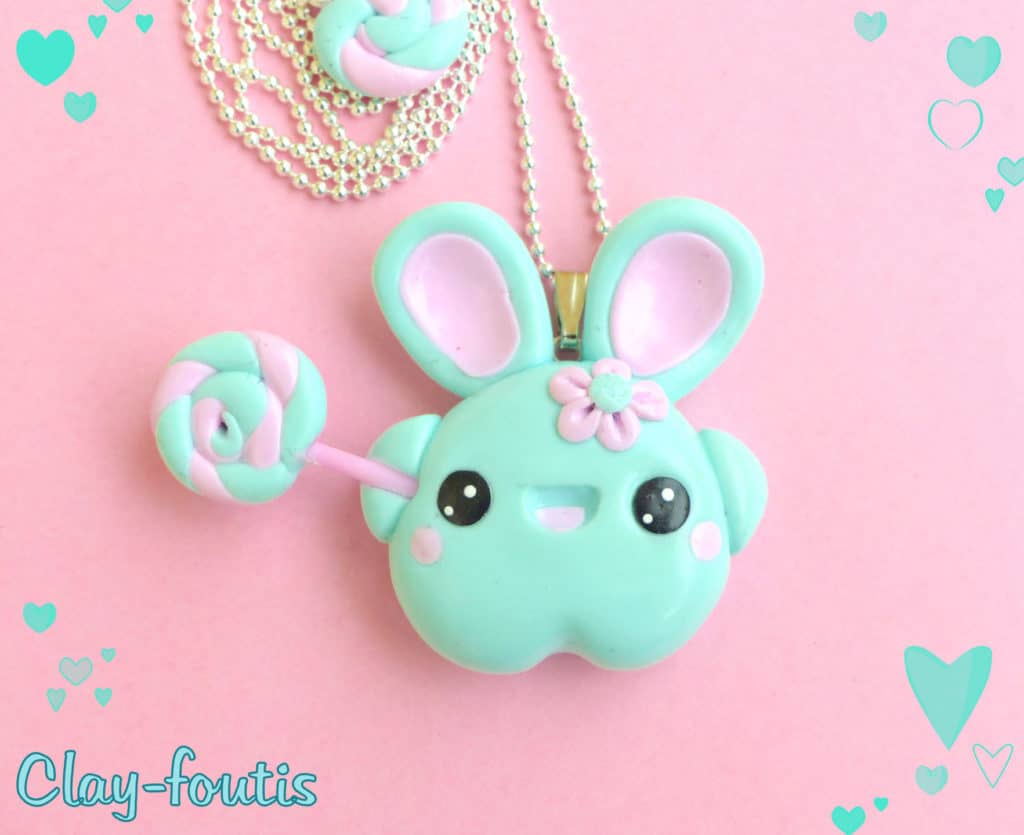
- “IWhite” – Polyurethane Casting Resin – White, Fast-Curing Two-Part SystemPrice range: £24.00 through £36.95IWHITE is a fast-curing, highly fluid polyurethane resin designed for accurate casting and quick prototyping with a durable finish.
- “Polyform” – Polyurethane Casting Resin, Beige, Fast-Setting for PrototypingPrice range: £15.95 through £141.95Polyform is a beige polyurethane resin designed for reliable, fast-setting prototyping and durable, detailed castings.
 “Epoxytable 10-Ten” – Deep Pour Epoxy Resin for Tables, Up to 10cm CastingPrice range: £35.95 through £351.95“Epoxytable 10-Ten” is designed for deep pour resin projects up to 10cm thickness with low exothermic reaction and UV resistance.
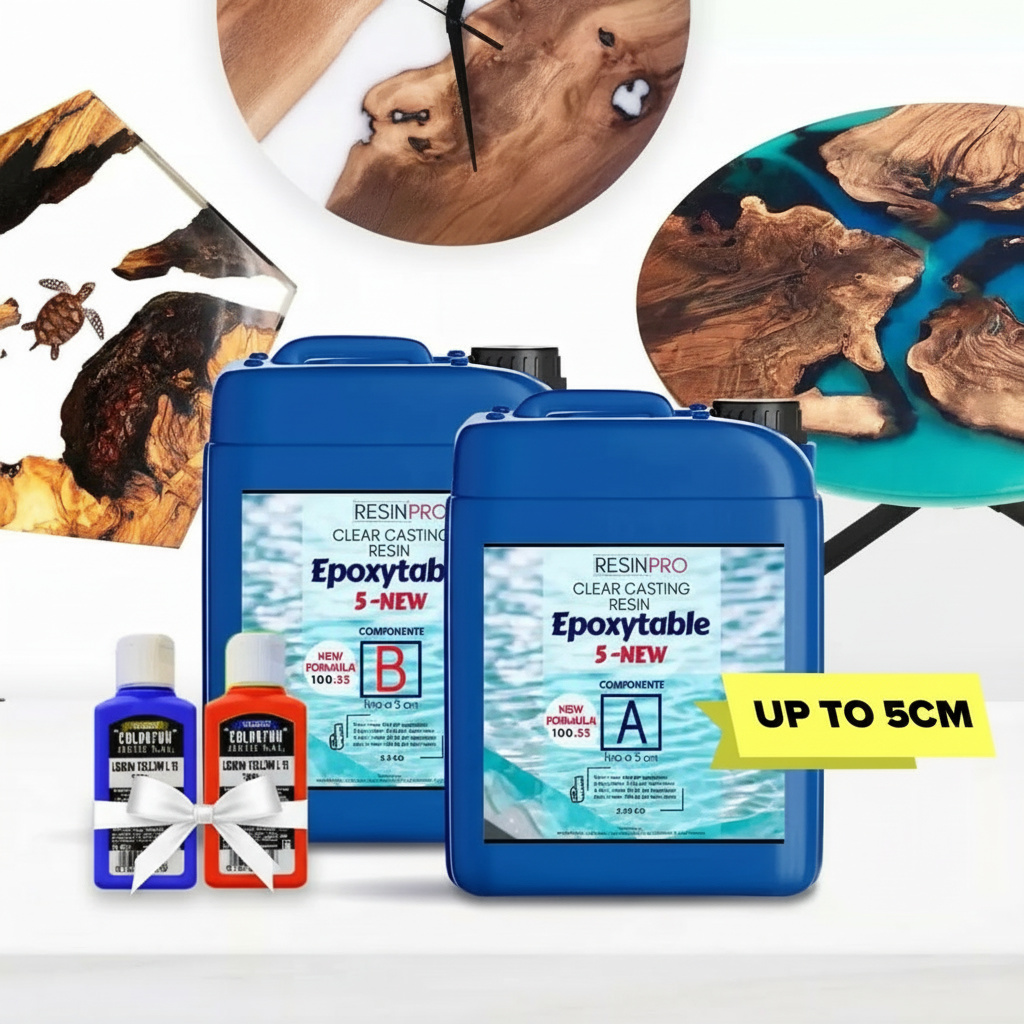 "EpoxyTable 5-Five" – Deep Pour Epoxy Resin for Tables and Large Projects – Up to 5cmPrice range: £17.95 through £1,154.95"EpoxyTable 5-Five" is a suitable deep pour epoxy resin for tables and large projects designed for thicknesses up to 5cm.
Frequently Asked Questions
What is the difference between polyurethane and epoxy resin statues?
Polyurethane statues are typically lighter, fast-curing, and paintable, while epoxy resin statues offer deep, clear casts with high durability and scratch resistance.
How do I recognise a high-quality resin statue?
Look for smooth, bubble-free surfaces, crisp details, and a consistent finish. Weight, clarity, and the ability to be painted or clear are also good indicators.
Are resin statues heavy or light compared to stone?
Resin statues are generally considerably lighter than stone or metal statues but denser than most plastics.
Can resin statues be painted after casting?
Yes, most polyurethane resin statues can be painted once cured, usually with acrylic paints for best adhesion and finish.
Should resin statues have bubbles or imperfections?
High-quality resin cast statues should have minimal to no visible bubbles or imperfections, thanks to the fluidity and properties of modern resins.
Is it safe to handle and display resin statues?
Once fully cured, resin statues are safe for handling and home display as both polyurethane and epoxy resins are inert and non-toxic in finished form.
How can I tell if a statue is made of resin or ceramic?
Resin feels warmer and lighter than ceramic, with a less brittle texture and greater detail. Ceramic is cooler to touch and may chip more easily on edges.