 Free shipping on orders over £29,85
  Shipping Tracking!


 Google
 Facebook
← Back to What removes epoxy resin?
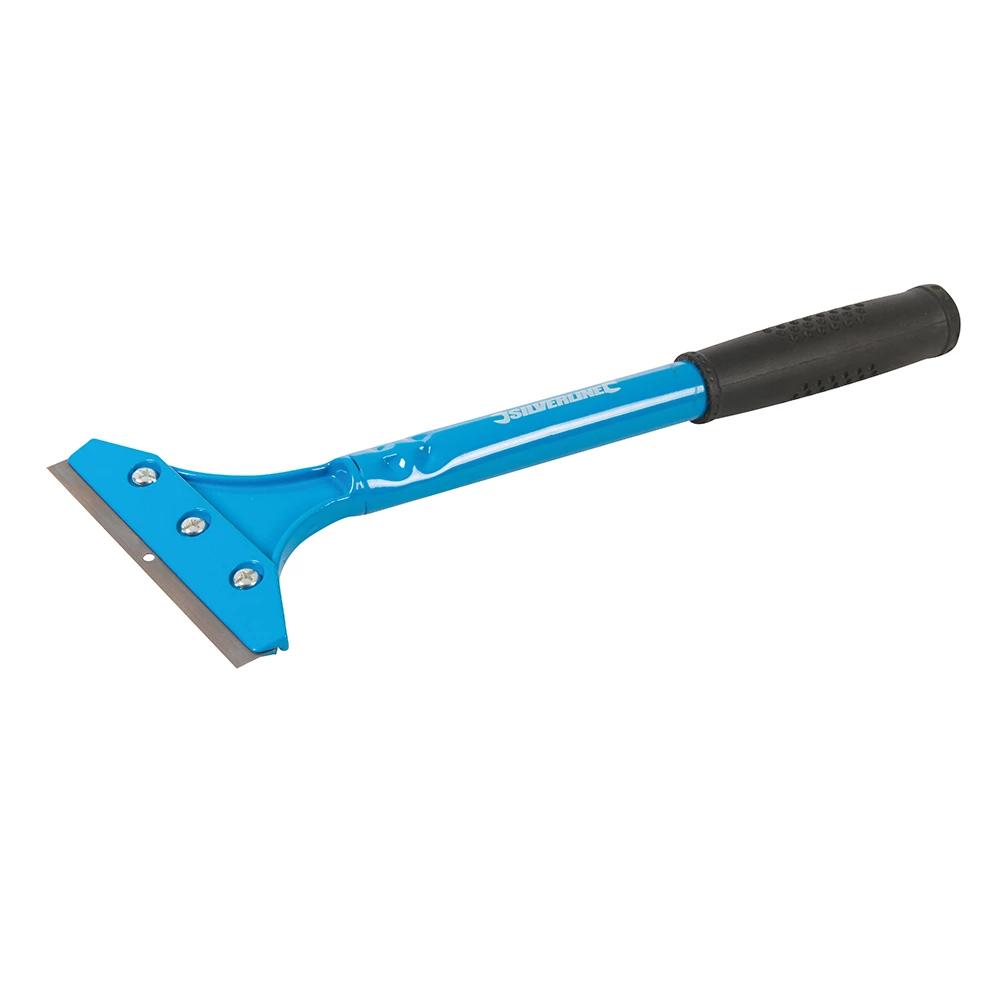
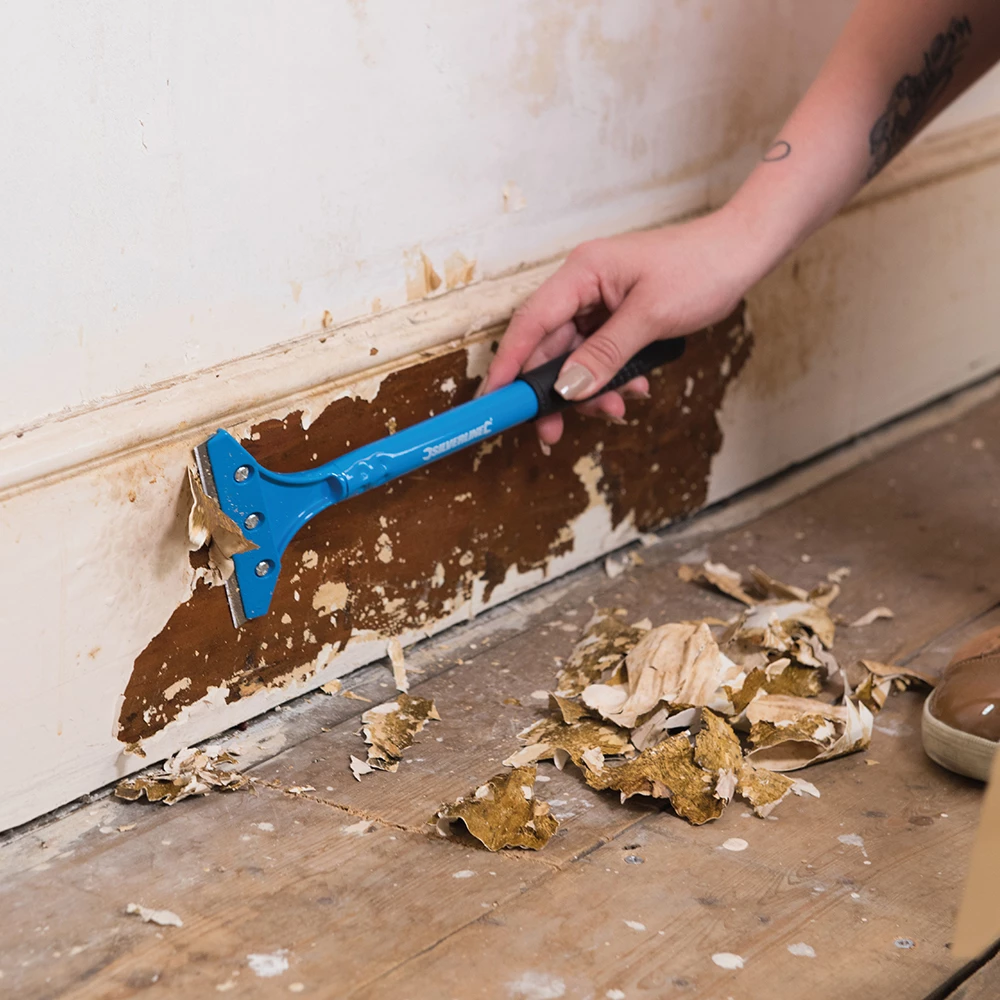
Removing epoxy resin from various surfaces requires different strategies to avoid damage and achieve the best results. Whether it’s a household surface or a complex work project, knowing the right approach is crucial for effective multi-surface cleaning.
Choosing the Right Tools and Products
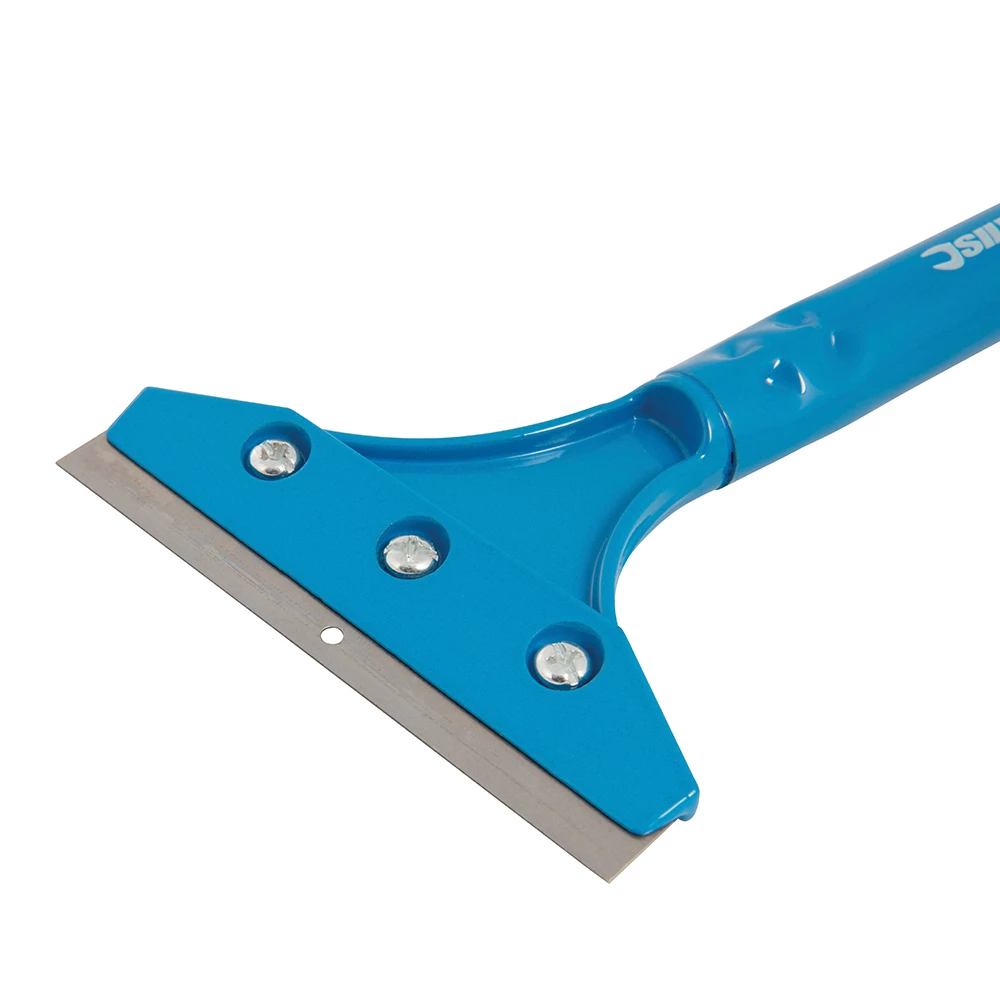
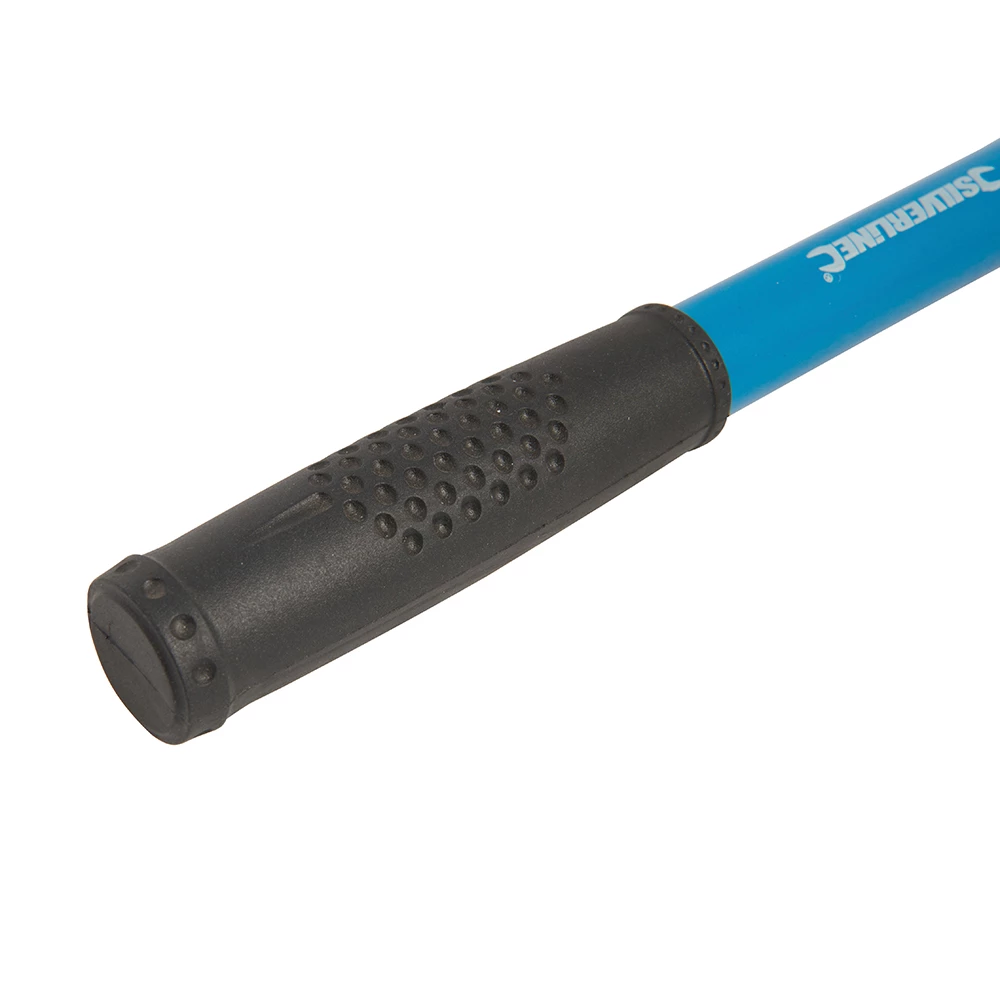
Hard and non-porous surfaces, like tiles, metal or glass, can often be cleaned with a dedicated Heavy Duty Scraper for Paint and Epoxy Resin Removal. This mechanical method lets you work efficiently while minimising scratches if applied carefully. For tacky resin or dried spills, a high-purity solvent such as isopropyl alcohol may help soften the resin so it can be lifted or wiped away more easily.
Safe Multi-Surface Cleaning Techniques
Surfaces like wood, textiles, or painted finishes typically require a gentler approach. Choosing a natural formulation, such as the Strong Technical Degreaser, allows safe removal of greasy resin residues and adhesives without harsh effects. Always start with a small test patch to ensure compatibility. Mechanical scraping should be limited on delicate substrates to prevent marks or gouges.
When Multi-Surface Methods Matter
Projects involving several materials—such as refurbishing art, furniture, or fixtures—benefit from using removal techniques and products adapted to each surface type. This not only improves results but also preserves the quality of items being treated.

Related products
Related guides
By selecting tools and cleaners tailored to each material, you can remove epoxy resin confidently, whether at home or in a professional setting. For further guidance and expanded techniques, see our full advice on what removes epoxy resin.