 Free shipping on orders over £29,85
  Shipping Tracking!


 Google
 Facebook
← Back to How are epoxides obtained?
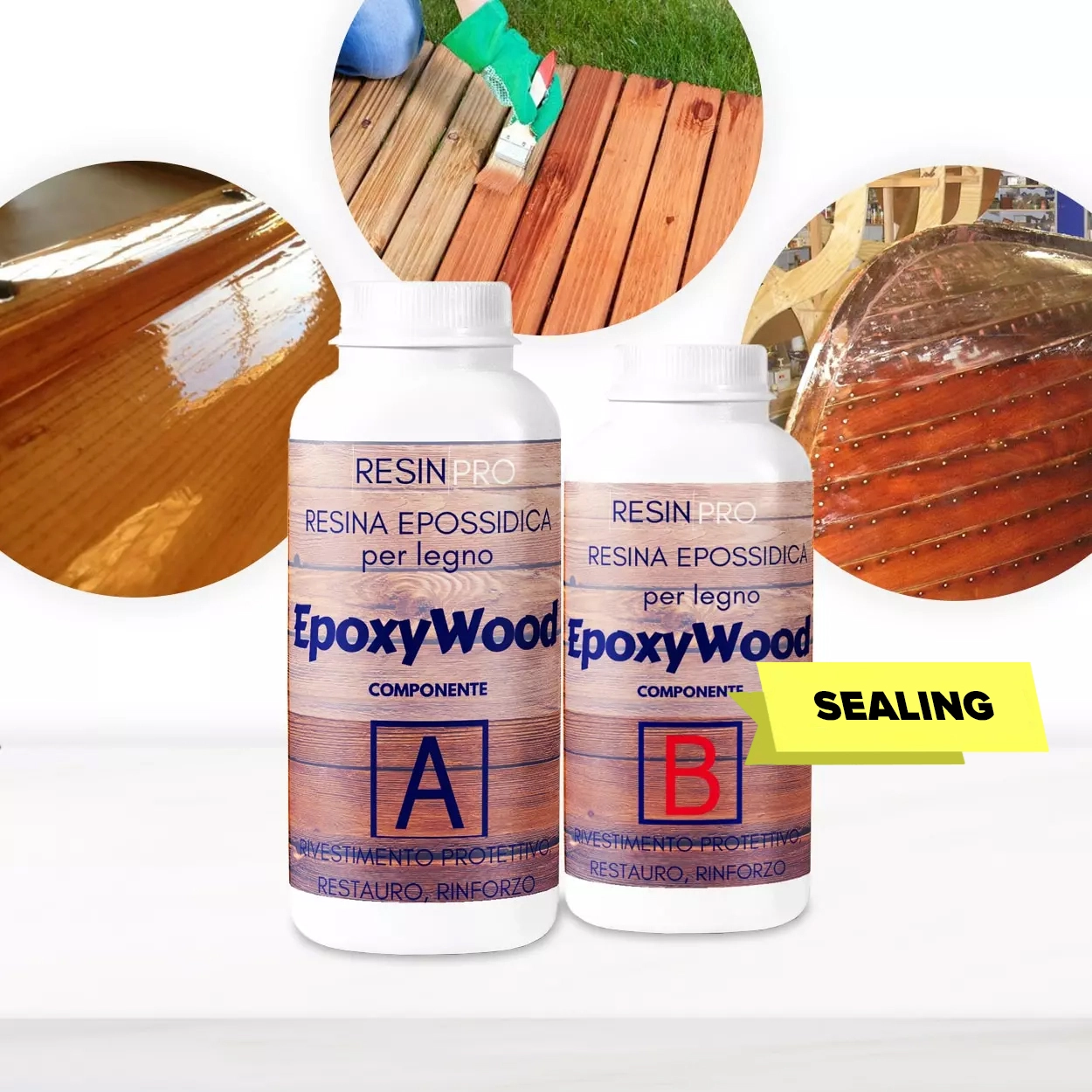
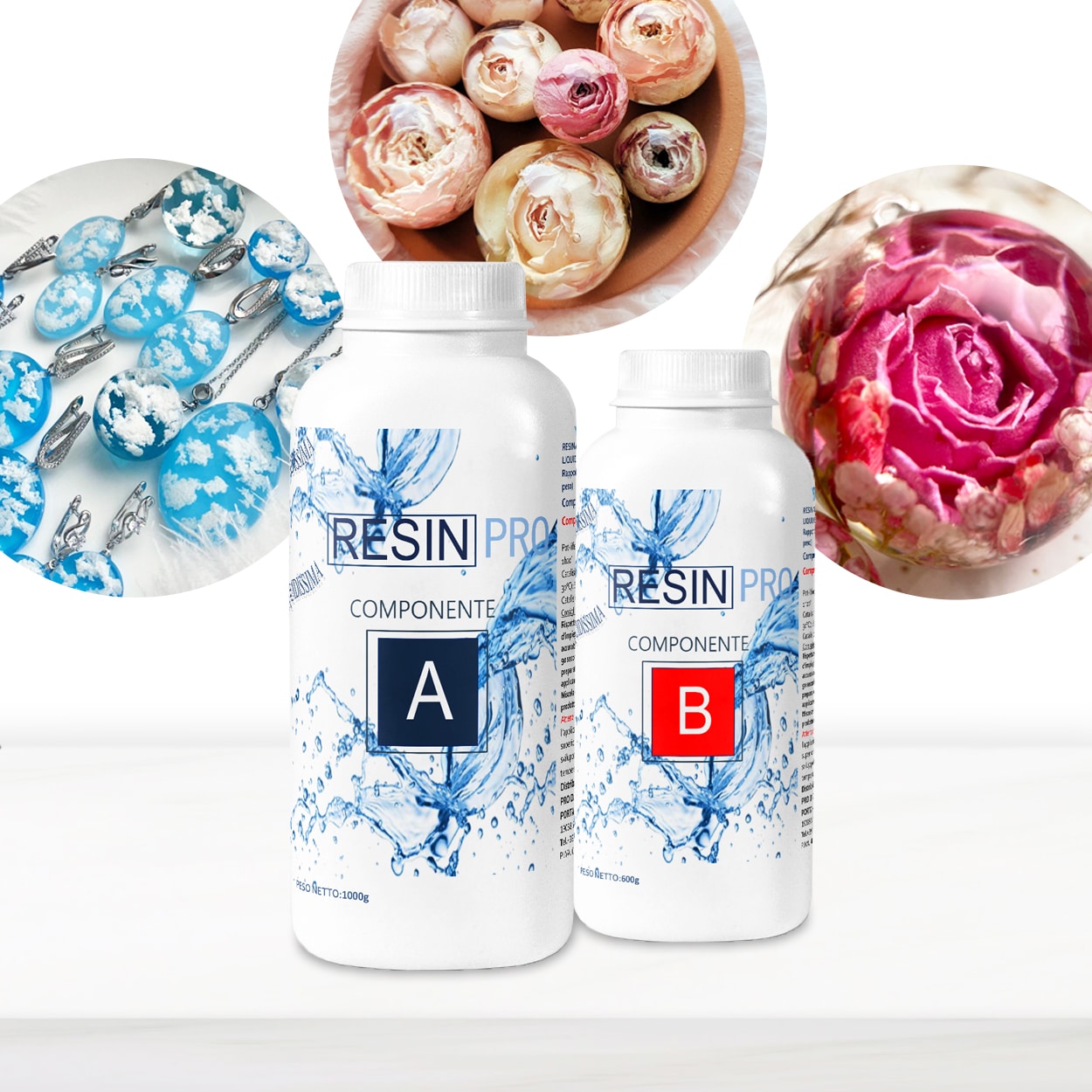
Waterproofing is a vital step in protecting wood, fibreglass, and other materials from moisture damage. Epoxy resins are a highly effective solution, forming a strong, lasting barrier that repels water and strengthens the underlying surface.
Why Choose Epoxy Resin for Waterproofing?
Epoxy resin is valued for its ability to penetrate deep into materials such as wood, filling pores and reinforcing structure from within. Once cured, it creates a waterproof surface that can withstand the rigours of daily use in both indoor and outdoor environments. Unlike varnishes and paints, epoxy bonds directly with the substrate for enhanced durability and moisture resistance.


How to Waterproof Wood and Composites
Begin by preparing your surface: ensure it is clean, dry, and sanded smooth for best adhesion. Choose a suitable resin, such as EpoxyWood, for deep penetration. Apply evenly with a brush or roller, allowing each layer to soak in fully. For composites like fibreglass or carbon fibre, opt for an epoxy that provides strong impregnation and cures at room temperature, promoting a robust, seamless barrier.
When Waterproofing Matters Most
- Restoring external wood: Outdoor furniture and boat hulls benefit greatly from the long-lasting, waterproof finish provided by specialised epoxies.
- Repairing water-damaged wood: Proper application can prolong the life of timber, even after exposure to the elements.
- Strengthening composites: Epoxy improves both water resistance and structural stability for reinforced materials.
Related products
Related guides
Whether you are restoring cherished furniture or protecting a new project from the elements, epoxy resin offers a professional-grade waterproofing solution. Explore the full range of applications in our main guide on how epoxides are obtained.