 Free shipping on orders over £29,85
  Shipping Tracking!


 Google
 Facebook
How do you make a resin bathroom sink shiny?
Restore gloss and achieve a high-shine finish on resin sinks easily


Restore that striking, mirror-like sheen to your resin bathroom sink with a few easy techniques. Whether your sink is new, dulled by time, or shows minor scratches, this guide helps you achieve a lasting, glossy finish efficiently and safely. Perfect for DIY enthusiasts, home renovators, or anyone eager for a brilliant bathroom centrepiece, these methods work for clear and coloured resin surfaces alike.

What You’ll Need
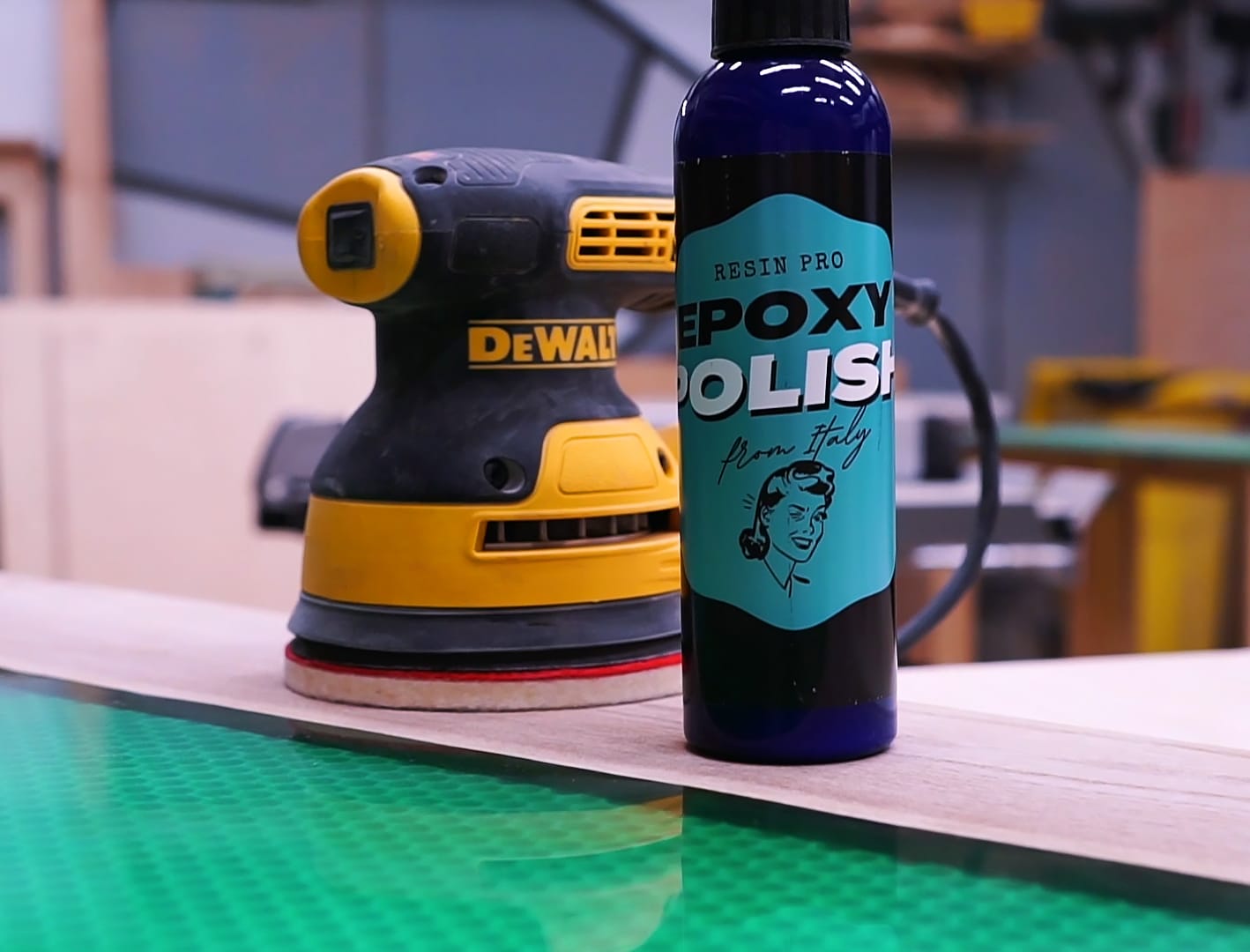
- “Epoxy Polish” – Epoxy Resin Polishing System: A dedicated polishing cream designed to restore gloss on resin sinks.
- Soft microfibre cloths (lint-free, non-abrasive)
- Non-scratch sponge (optional for cleaning)
- Small rotary polisher or hand pad holder (manual polishing is possible but power tools help achieve a higher shine)
- Protective gloves (for safety and cleanliness)

Essential Tools for Shine
The right microfibre cloths, a polishing cream made for epoxy, and a rotary polisher can dramatically improve the gloss and finish of any resin sink. For best results, dedicate these supplies solely to resin use and keep them free from abrasive residues.
Step 1: Clean and Prepare the Sink Surface
Begin by removing all residues—dirt, stains, soap scum, or oils—from the resin sink. Use a mild, non-abrasive detergent and a soft sponge to prevent inflicting new scratches. Thorough rinsing is vital as leftover detergent or dust can hinder the shine and even damage the resin during polishing. Dry the basin thoroughly with a clean, lint-free cloth before you begin the next step.
At this stage, avoid harsh chemicals or abrasive scouring pads. These may dull the surface further and can be especially troublesome on coloured or translucent resin sinks.
Step 2: Assess Surface Scratches and Dullness
Before polishing, closely inspect the surface under good lighting. Light swirls or mild haze can usually be addressed with polishing alone. For deeper scratches, progressively finer abrasives or sanding may be necessary—always test in an inconspicuous spot first, and proceed cautiously to prevent removing too much material.
Clean the sink after gentle sanding if performed, ensuring it’s debris-free before moving on to the polishing stage.
Step 3: Buff and Polish for a Glossy Shine
Apply a small amount of Epoxy Polish – Epoxy Resin Polishing System to a clean section of the resin sink. Using a rotary polisher, hand pad, or soft microfibre cloth, work the polish into the surface with even pressure. Buff using gentle, circular motions, ensuring you cover the entire visible area for uniform shine. Take care not to overheat a spot—if using a machine, keep it moving at moderate speed.
Continue buffing until the surface reaches a vivid gloss. Wipe away any excess residue with a fresh cloth, and repeat the process in areas where more shine or scratch removal is needed.

Step 4: Clean and Maintain the Finished Shine
Once you are satisfied with the gloss, thoroughly clean the sink to remove leftover polish. Use only soft, damp cloths for cleaning to avoid micro-scratches. Protect your finish with regular gentle cleaning and avoid exposing the sink to harsh scouring agents, strong acids, or tossing metal objects inside.
For maintenance, you may repeat the polishing every few months as needed. Always ensure the resin is fully cured—at least several days old—before repeating any intensive buffing.
Tips, Common Mistakes and Troubleshooting
Polish only a fully cured resin sink: Attempting to polish uncured or soft resin may cause smearing or new scratches. Always check the cure time provided by your resin manufacturer. Avoid rushing the process for the best finish.
If you notice uneven shine, missed dull spots, or persistent scratches, review your technique—use a finer pad, invest in a rotary polisher, and work gradually. If small sections resist polishing, gentle re-sanding followed by a repeat polish is usually effective. Patience and the right approach are essential for professional-quality results.
Frequently Overlooked Aspects
Clean the sink thoroughly before polishing to avoid trapping dirt beneath the gloss or causing micro-abrasions. Small habits like using gentle cleaners and regular wiping after use make a major difference to your resin sink’s shine over time.

- "Epoxy Polish" – Epoxy Resin Polishing SystemPrice range: £18.95 through £47.45Epoxy Polish is designed for restoring a glossy, mirror-like finish on resin surfaces with ease.
- "Stone Effect Collection" – Marble Epoxy Resin Countertop KitPrice range: £57.95 through £272.95The "Stone Effect Collection" kit offers a durable, scratch-resistant resin system to create professional marble and stone effects on countertops.
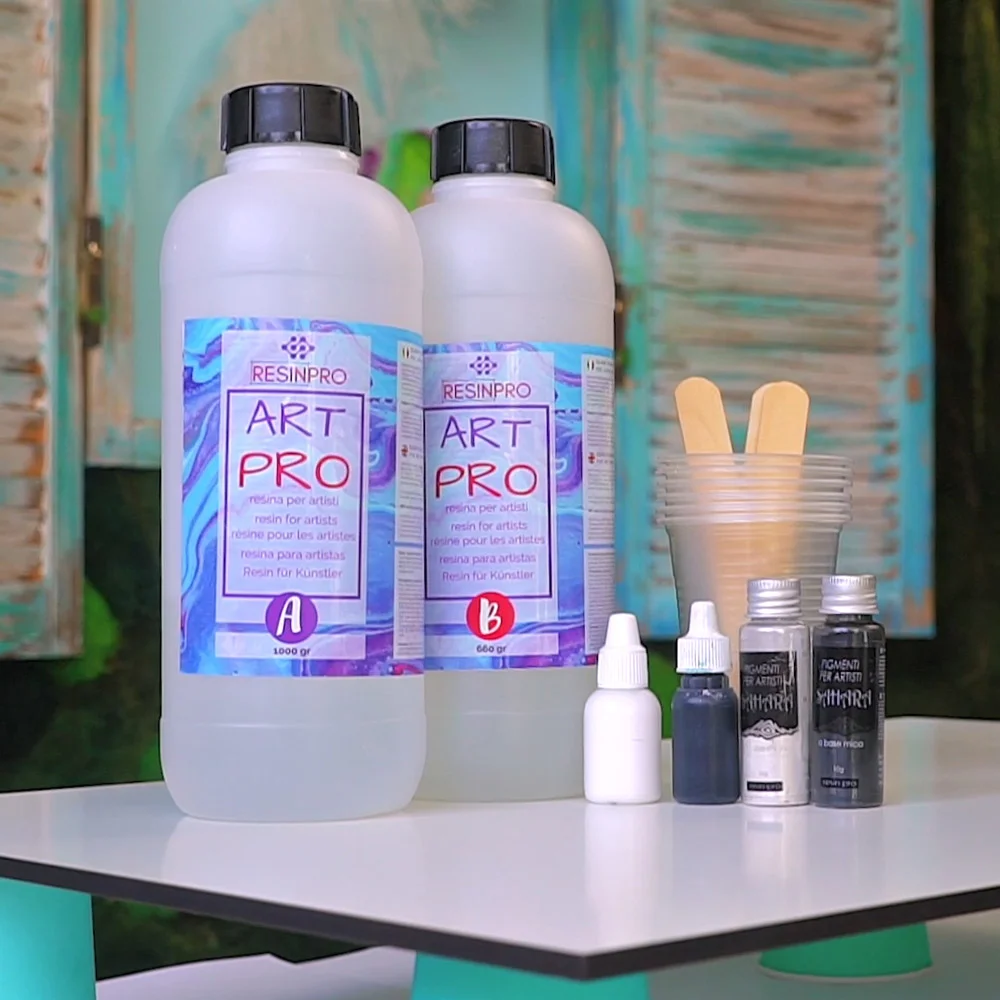
 "Art Pro" – Clear Epoxy Resin for Artists and Surface CoatingPrice range: £19.95 through £267.95"Art Pro" clear epoxy resin is suited for artists and DIY users needing a durable, high-gloss surface with UV protection for decorative coatings.
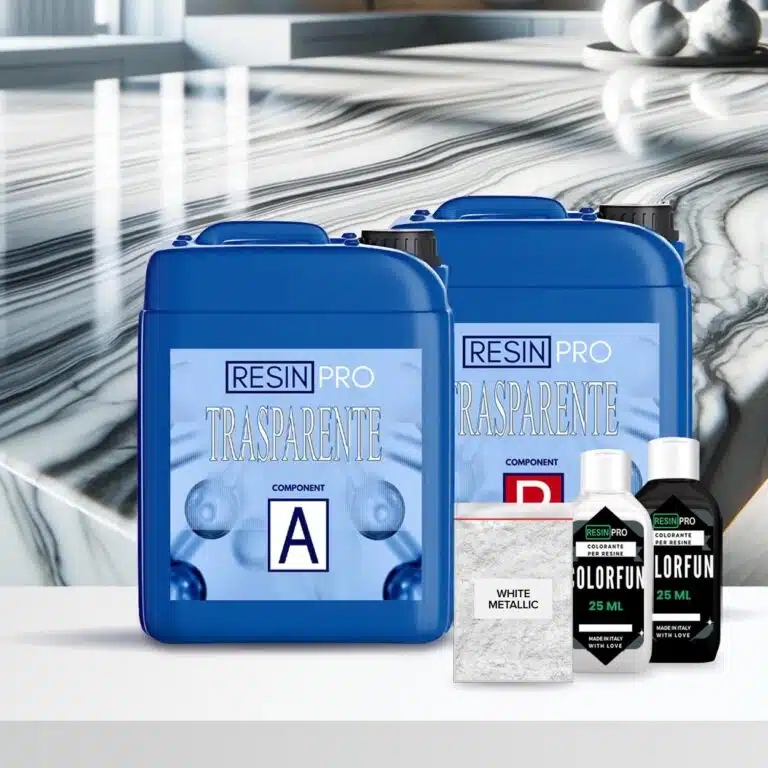
 "Trasparente" – Multipurpose Clear Epoxy Resin for Casting – Up to 2cmPrice range: £8.95 through £397.95This ultra-clear casting epoxy resin provides a glossy, self-levelling finish suitable for detailed applications and wooden surfaces.
Frequently Asked Questions
How do I make my resin bathroom sink super glossy?
Polish the fully cured resin using a dedicated epoxy polish and a soft cloth or polisher, following up with care to maintain the finish.
Can I polish a resin sink by hand?
Yes, you can hand-polish using a microfibre cloth and epoxy resin polish, but a rotary polisher yields a higher gloss in less time.
Should I sand a dull resin sink before polishing?
Sand only if scratches are visible and deep; light haze usually resolves with polishing alone. Always test in a small area first.
How often should I polish a resin bathroom sink?
Polish as needed—typically every few months for high-use sinks, or when the shine appears dulled from wear or cleaning.
What products work for shining resin?
Use a quality epoxy resin polish designed for scratch removal and glossy finishes, and avoid abrasive general cleaners.
Does polishing remove all scratches?
Polishing removes light surface scratches and restores shine. Deep scratches may require sanding before polishing.