 Free shipping on orders over £29,85
  Shipping Tracking!


 Google
 Facebook
How do you spread resin?
Achieve a flawless resin finish with the right tools and technique


Whether you are creating a stunning resin tray, coating a table, or designing unique art pieces, achieving a perfectly even resin layer is essential for a professional result. This guide will walk you through the proven steps needed to spread resin efficiently and smoothly, helping you avoid common mistakes and enjoy a glass-like finish in your DIY and artistic resin projects.

What You’ll Need
- Tooth Shaped Spatula for Epoxy Resin Application – For an even, controlled spread on flat surfaces.
- Resin & Paint Application Rollers – Short-Pile, Large, and Sponge Types – Ideal for covering wide areas or achieving self-levelling on floors or large art.
- “Art Pro” – Clear Epoxy Resin for Artists and Surface Coating – A popular choice for clear coatings with excellent self-levelling properties.
- “Tray” – Complete Resin Tray Kit with Silicone Mould and Colour Dyes – Everything you need for beginner-friendly tray projects.
- Mixing cups, gloves, protective coverings for your workspace

Essential Spreading Tools in Action
See how artists and makers use spatulas and rollers for professional resin application. The right tool makes it simple to achieve that flawless, uniform finish from the first pour.
Step 1: Prepare your work area and materials
Prepare your work area and materials before mixing any resin. Ensure your workspace is dust-free, level and covered to protect against spills. Lay out the items you’ll use, including your resin, tools, and protective gloves. Quality preparation minimises the chance of dust settling onto your wet resin and allows you to work efficiently within the resin’s open time.
For large or multipiece projects, ensure you have adequate ventilation and all items—such as supporting moulds or trays—are secure. This improves safety and the final finish.


Step 2: Mix and pour the resin carefully
Mix and pour the resin carefully following the manufacturer’s recommended ratio and instructions. Always use clean, dry measuring cups and stir thoroughly to blend the two resin components. Incomplete mixing is a common cause of tacky or uneven finishes, so take time to scrape the sides and bottom of your mixing container.
For artistic surfaces or tray projects, consider using a kit like the “Tray” – Complete Resin Tray Kit with Silicone Mould and Colour Dyes, which contains user-friendly instructions and pre-measured components for dependable results.
Step 3: Spread the resin evenly across the surface
Spread the resin evenly across the surface once poured. Work gently from the centre outwards using your chosen tool, whether it be a spatula or roller. For precise, controlled coating on flat surfaces such as tables or trays, a Tooth Shaped Spatula for Epoxy Resin Application works exceptionally well, as the notched edge helps distribute resin uniformly and at a consistent thickness.
If you’re working on large, flat areas or floors, select an appropriate Resin & Paint Application Roller to glide the resin out smoothly, especially if self-levelling is key to the finish. Avoid pressing down too hard or moving too quickly, as this can introduce bubbles or create uneven layers.


Step 4: Level and finish for a glass-smooth result
Level and finish for a glass-smooth result by allowing the resin to naturally self-level. Check periodically for any missed corners or edges and fill in as needed, working within the resin’s designated open time. Pop any surface bubbles with a heat gun or kitchen torch held at a safe distance and angle.
Leave the item in a dust-free environment to cure fully before handling or demoulding. This ensures the glossy, even surface is preserved until completely hardened.
Tips for Perfection and Avoiding Mistakes
Choose the right spreading tool for your resin type—a notched spatula excels on surfaces, while rollers are effective for large areas. Work within the resin’s open time (as recommended by the product packaging) for best results. Avoid overworking the resin, as excessive movement once poured can disturb self-levelling properties and introduce defects.
Always double-check your mixing and spreading tools are clean and dry before use. Maintain even pressure and stay attentive during the working process to ensure every part of your project is covered.

Common Spreading Mistakes and Fixes
Avoid layering errors and streaks by working in sections and keeping tools clean. Troubleshoot bubbles or uneven areas quickly with gentle heat and practice consistent spreading strokes.

- Tooth Shaped Spatula for Epoxy Resin Application£3.45The Tooth Shaped Spatula is designed for precise and even epoxy resin application on various surfaces.
- Resin & Paint Application Rollers – Short-Pile, Large, and Sponge TypesPrice range: £3.62 through £5.09Rollers designed for epoxy resin applications provide precision and uniformity for resin surfaces.
- "Art Pro" – Clear Epoxy Resin for Artists and Surface CoatingPrice range: £19.95 through £267.95Art Pro is a clear epoxy resin designed for artists, suited to creating high-gloss, durable coatings on decorative surfaces.
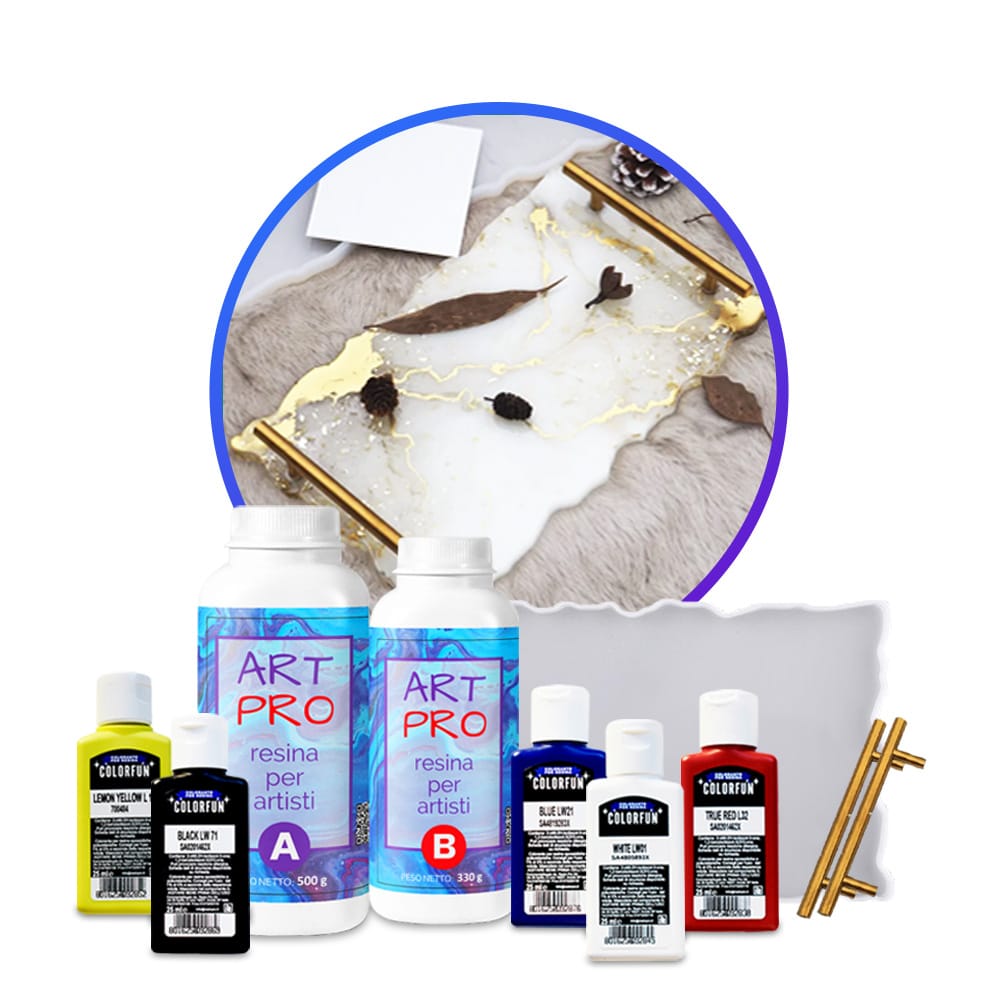 "Tray" – Complete Resin Tray Kit with Silicone Mould and Colour Dyes£57.95"Tray" kit includes mould and pigments for resin designs, suitable for creating custom trays with decorative effects.
Frequently Asked Questions
What is the best tool for spreading resin evenly?
A tooth shaped spatula is ideal for flat surfaces, while short-pile or sponge rollers work well for large areas or floors.
Should I use a roller or spatula to spread epoxy resin?
Use a spatula for controlled application on trays and art; choose a roller when covering floors or other large surfaces.
How do I avoid streaks and bubbles when spreading resin?
Spread gently and evenly, and use a heat source on the surface to pop bubbles after application.
How long does resin take to cure after spreading?
Most epoxy resins cure in 12–24 hours for light handling. Wait up to 48 hours for full hardness before use.
What is the most common mistake when spreading epoxy resin?
Not mixing the resin thoroughly or spreading too quickly, resulting in uneven finish or sticky areas.
Do I need to level my work surface before spreading resin?
Yes, a level surface prevents the resin from pooling or running off the edges during application.