 Free shipping on orders over £29,85
  Shipping Tracking!


 Google
 Facebook
← Back to How to remove epoxy resin from glass?

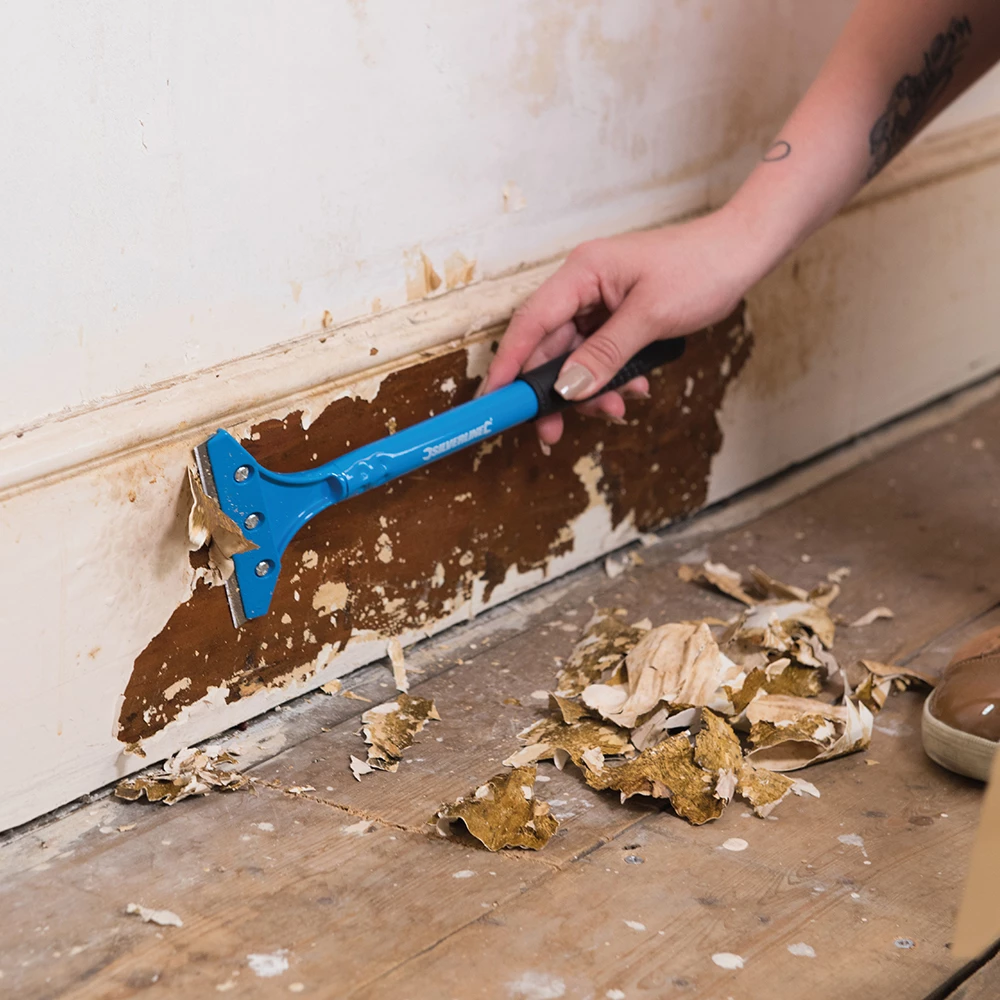
When it comes to cleaning epoxy resin from glass surfaces, it’s vital to avoid abrasive pads or sandpaper. These tools scratch, cloud or permanently damage glass, making careful resin removal essential for a pristine finish.
Why Abrasives Should Be Avoided
Using abrasive pads or sandpaper on glass might seem like an efficient way to tackle stubborn epoxy, but these materials can quickly dull or scratch the surface. Glass is particularly sensitive to friction and rough contact—scratches caused during cleaning are often irreversible and spoil the clarity. Instead, opt for removal methods that rely on careful scraping and appropriate solvents, protecting the glass while effectively lifting resin.
Safe Methods for Removing Epoxy Resin from Glass
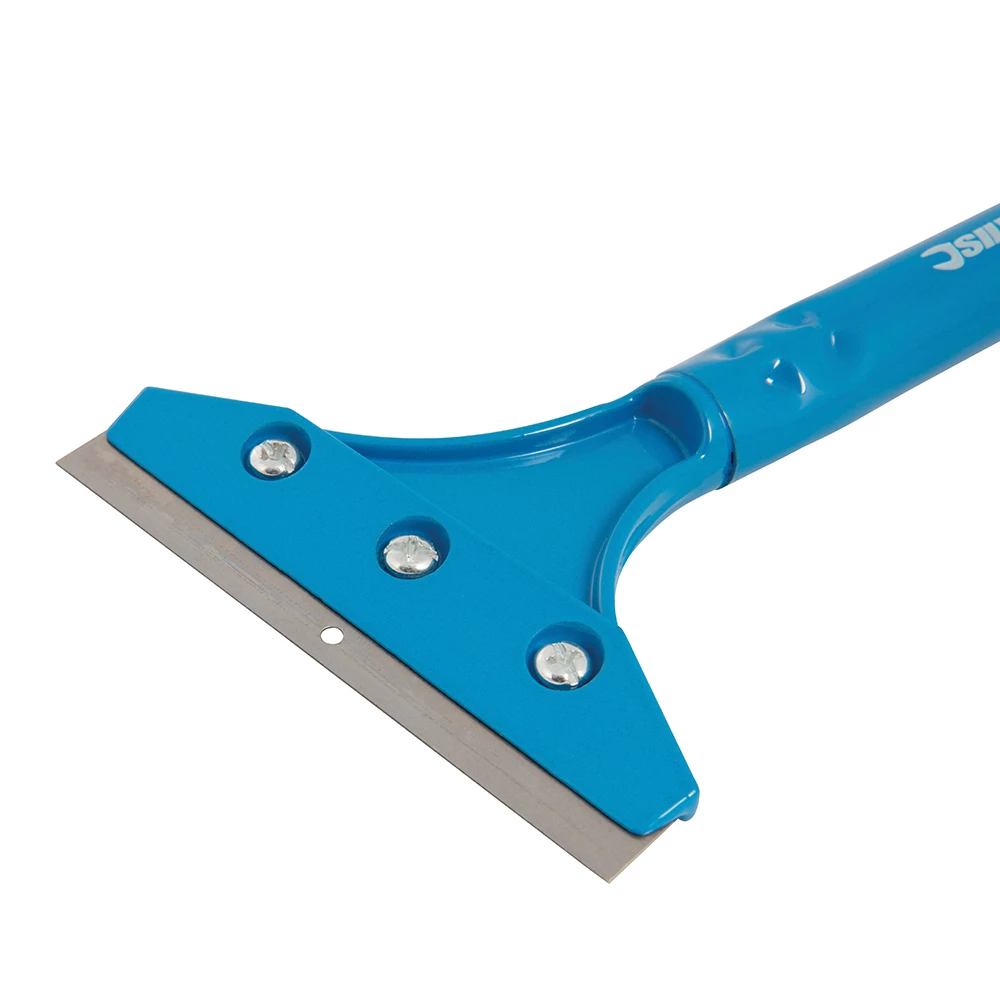
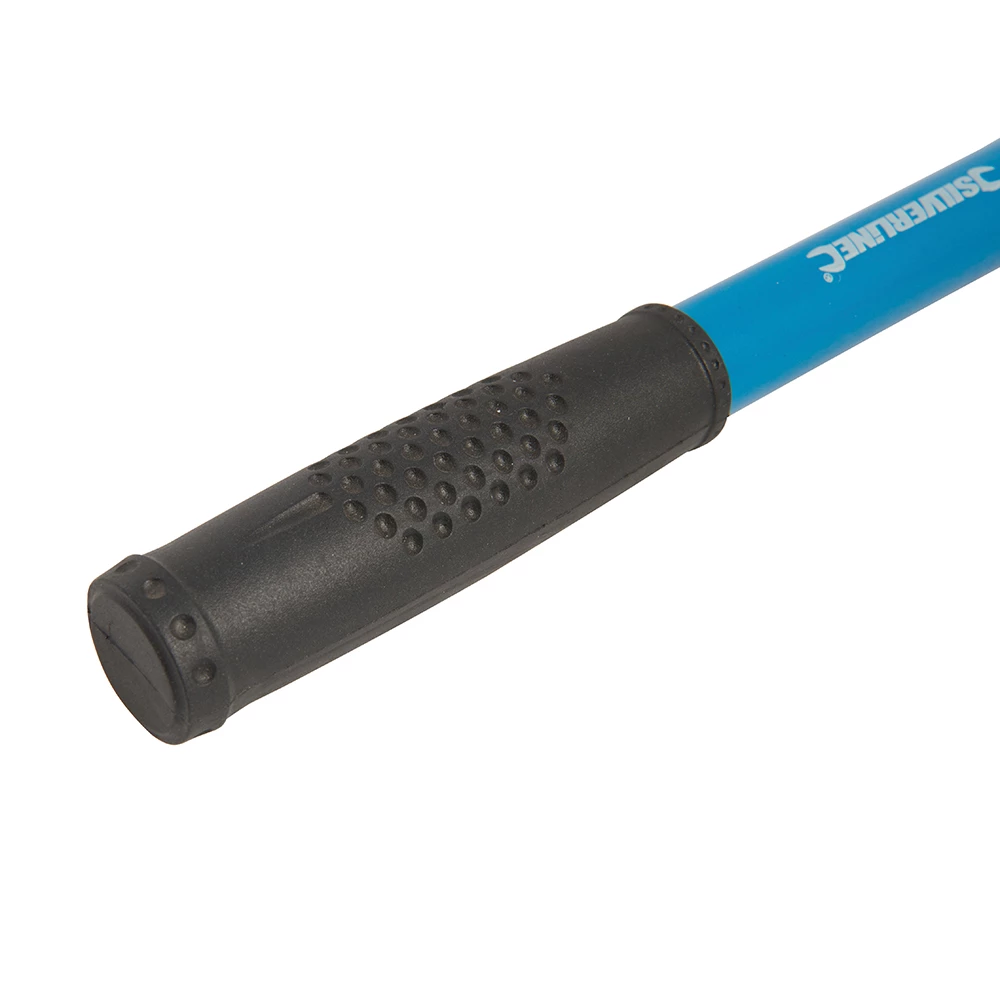
To clean cured epoxy without scratching glass, use tools with sharp, smooth blades—such as a Heavy Duty Scraper for Paint and Epoxy Resin Removal. Hold the scraper at a shallow angle and take gentle, slow strokes to lift the resin away. For any residue or grease left behind, try a natural, non-abrasive product like the Strong Technical Degreaser for Resin Projects. If required, a little pure isopropyl alcohol can help break down small, stubborn spots—just ensure you use a soft, lint-free cloth and apply minimal pressure.
When This Matters Most
Avoiding abrasive pads and sandpaper is especially important for decorative, mirrored, or clear glass surfaces where any blemish or haze will be immediately visible. This care is also wise for display cases, tabletops, and windows where pristine clarity not only looks better but can be structurally important for safety or long-term durability.

Related products
Related guides
Remember, patience and the right tools are key to protecting your glass while removing epoxy resin. For more in-depth tips and a step-by-step guide to safe removal, see our main advice on how to remove epoxy resin from glass.