 Free shipping on orders over £29,85
  Shipping Tracking!


 Google
 Facebook
← Back to How do you remove E30 resin?
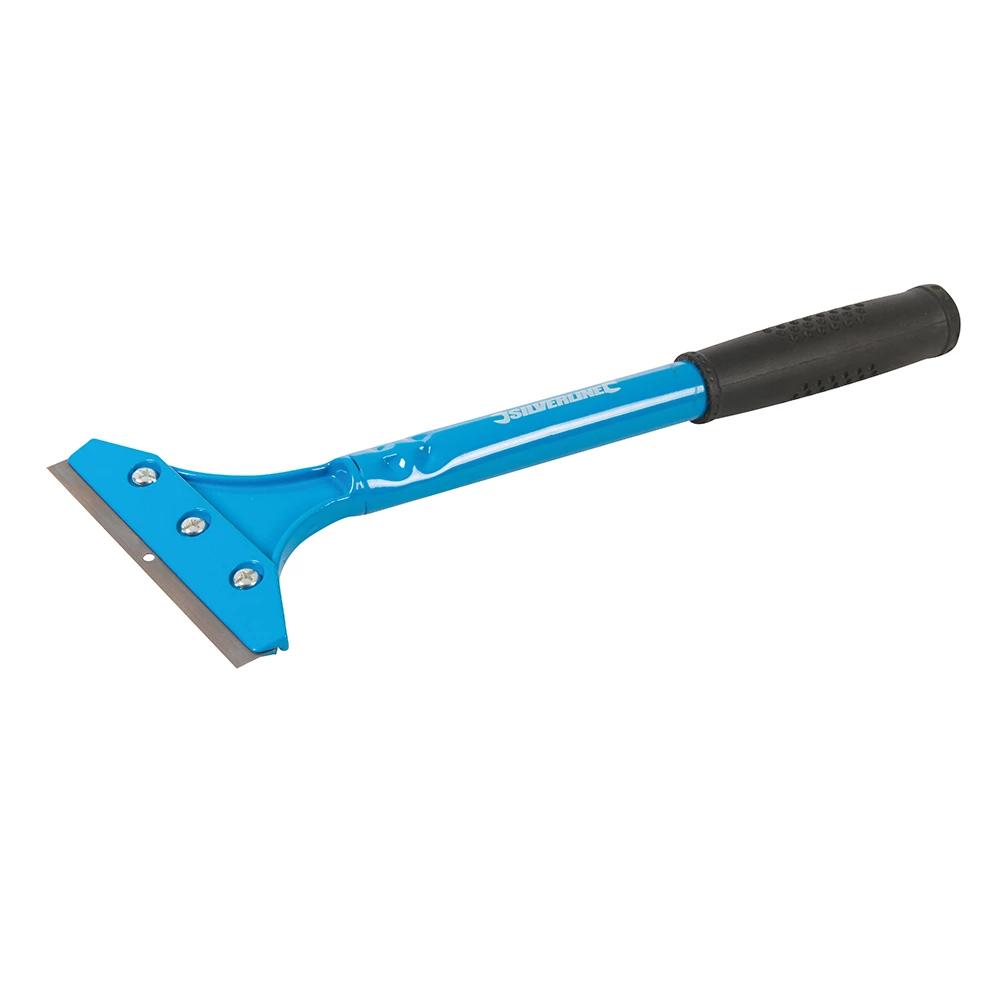

Removing E30 resin without harming your underlying surface requires a careful approach. By choosing the correct tools and gentle methods, you can often achieve a clean finish without unwanted scratches or marks.
Start with Gentle Scraping
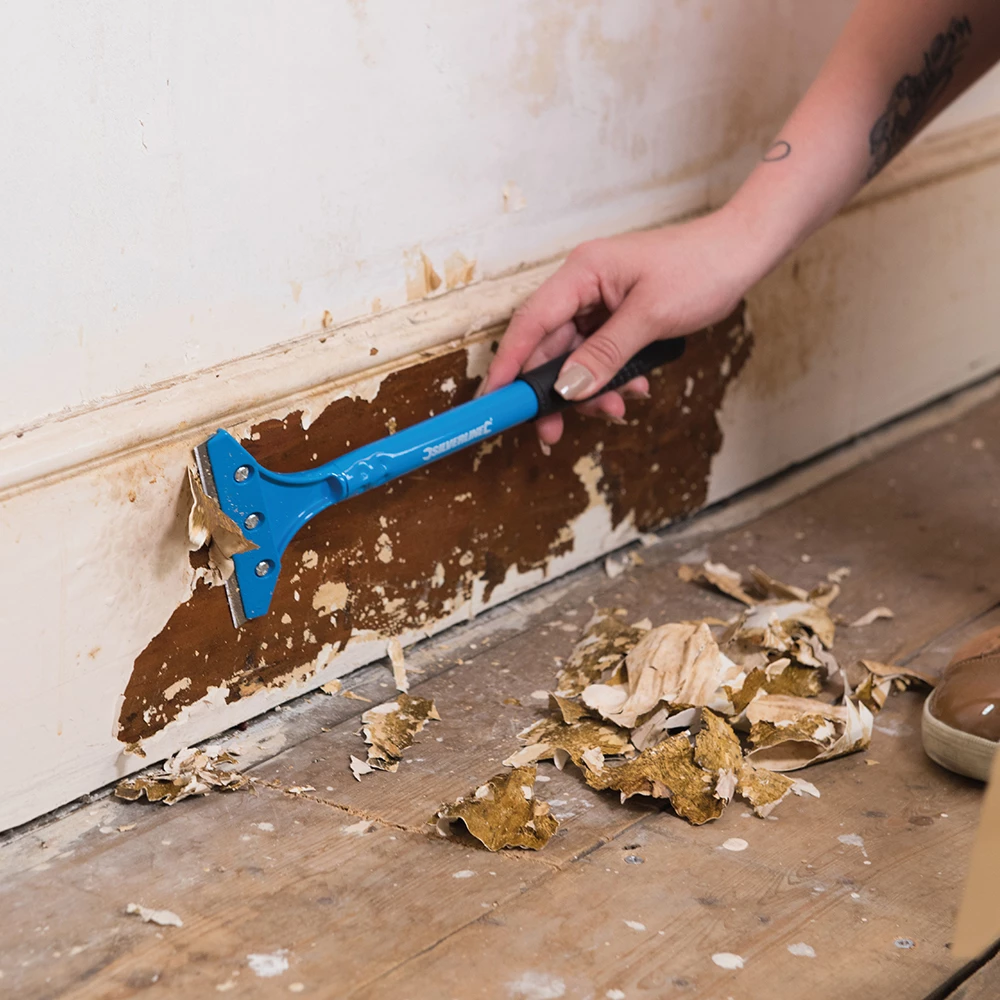
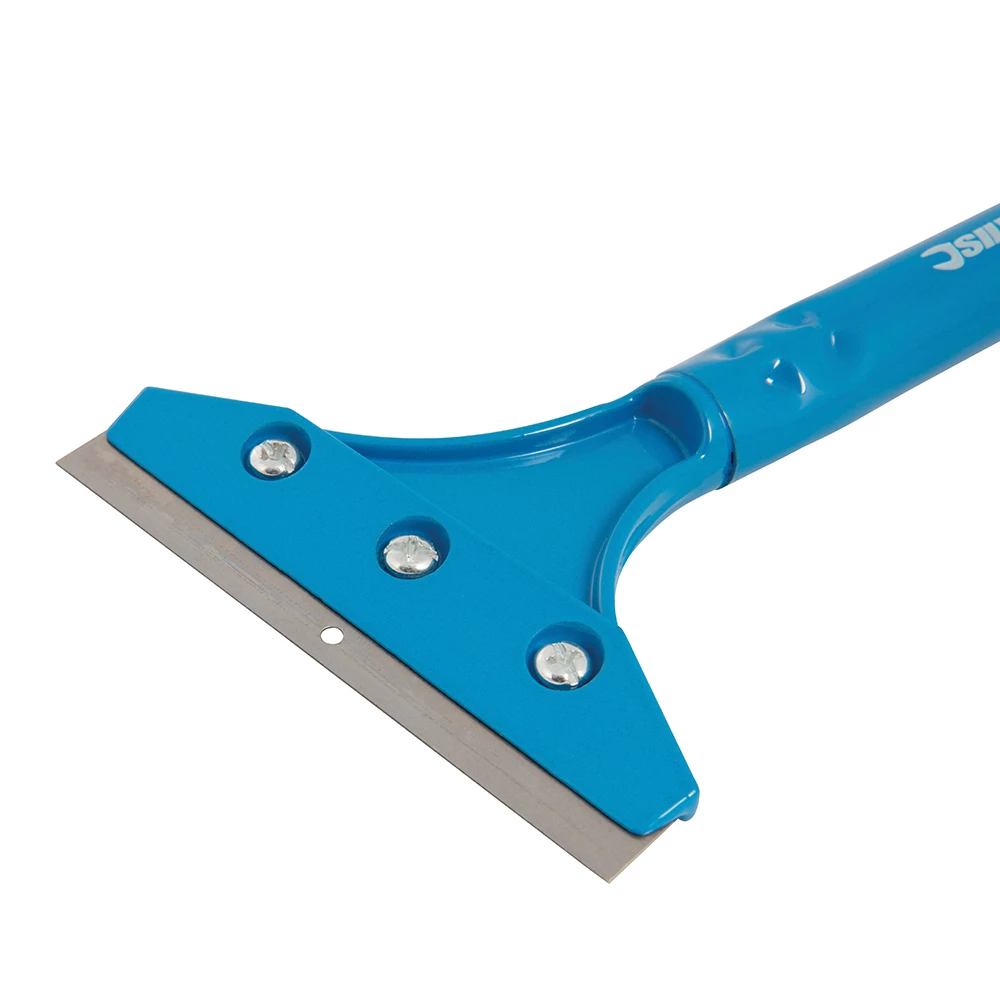
For areas of cured E30 resin, begin by using a tool specifically designed for precise removal, such as the Heavy Duty Scraper. Hold the blade at a shallow angle and work slowly to lift away the resin without gouging the surface beneath. Always use minimum pressure to avoid damaging delicate materials. For stubborn spots, rewarm the area slightly with a hairdryer—never an open flame—to help soften the resin if appropriate.

Try Safe and Gentle Cleaners
If resin remains or if you’re dealing with sticky residue, select a cleaning agent that is gentle on surfaces. The Strong Technical Degreaser uses a natural, solvent-free formula that’s suitable for metal, ceramic, and even delicate surfaces. Always test any cleaner on a small, inconspicuous patch before wider application, as different surfaces can react differently to cleaning fluids.
Finishing Touches with Fine Abrasives
Should any residue persist after scraping and cleaning, move to fine abrasives for final finishing only if absolutely required. Products like the Ebonite Abralon Sanding Pads offer a range of grits for precise control and can be used wet for extra surface protection. Sand lightly using circular motions and regularly check your progress to avoid dulling or scratching the original finish.
When this matters
Gentle E30 resin removal is vital when working with sensitive surfaces such as wood, metal finishes, tiles or painted areas, where harsh techniques could leave costly damage or visual imperfections.
Related products
Related guides
By following a stepwise approach—starting with careful scraping, progressing to gentle cleaning, and resorting to fine abrasives only when needed—you can successfully remove E30 resin with minimal surface risk. For more detailed advice and product options, see our full guide on removing E30 resin.