 Free shipping on orders over £29,85
  Shipping Tracking!


 Google
 Facebook
How do you clean a resin coating?
Professional tips for spotless and damage-free resin cleaning


Learning how to clean a resin coating ensures your projects remain impressive and long-lasting. Whether it’s an epoxy art piece, a resin tabletop, or jewellery, keeping your surface spotless without causing scratches or dullness is essential. By following a thoughtful cleaning routine, you can maintain clarity and shine while avoiding common mistakes that lead to wear or damage.

What You’ll Need
- Strong Technical Degreaser for Resin Projects – 100% Natural Formula: For removing greasy build-up, silicone, and adhesive residues from resin as well as multiple surfaces.
- Pure Isopropyl Alcohol 99.9% – 1000ml Bottle for Epoxy Resin Projects & DIY: Useful for removing residue after cleaning, or for tackling stubborn marks.
- Microfibre or soft lint-free cloths
- Mild detergent (optional, if light cleaning is needed)
- Warm water in a spray bottle or bowl
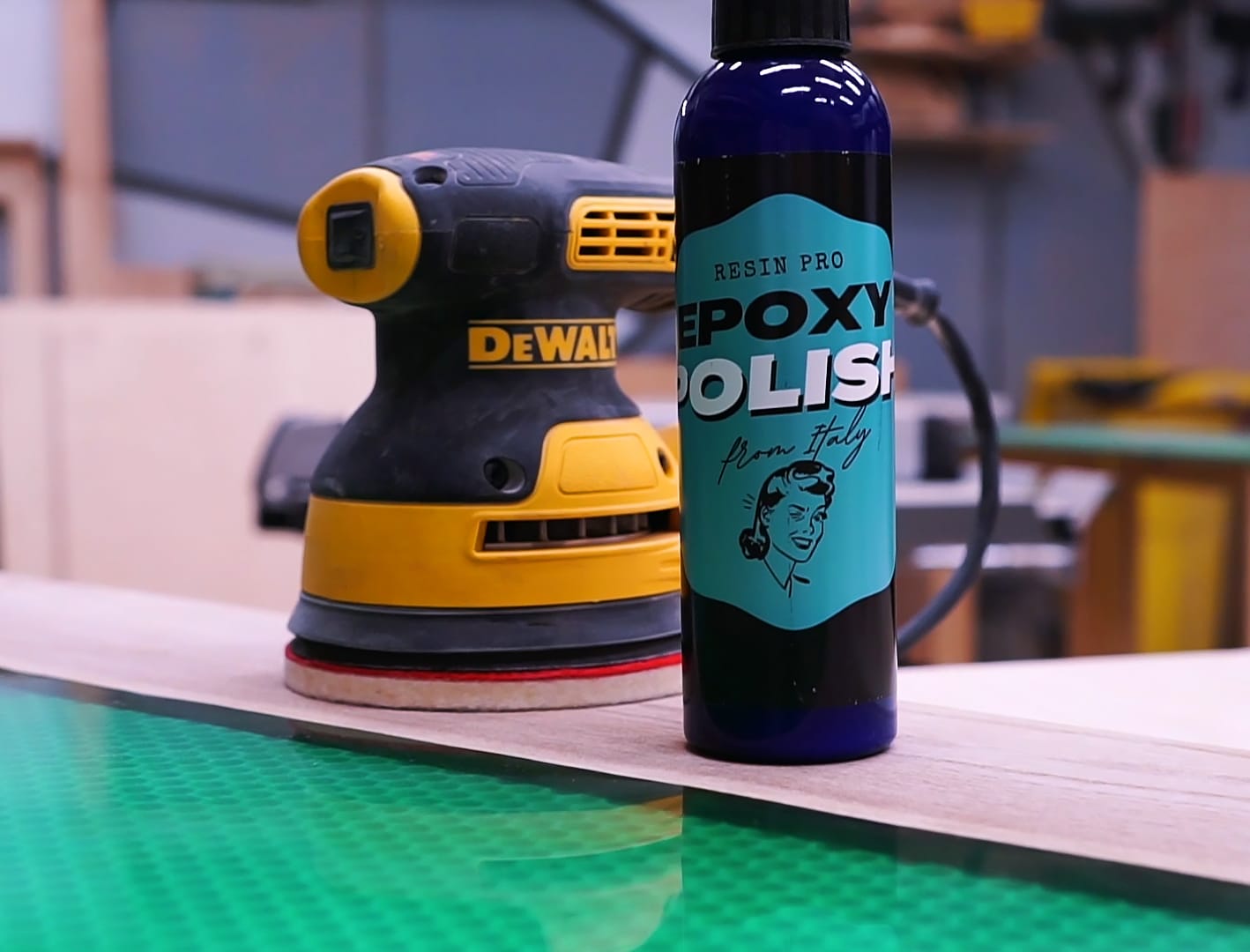
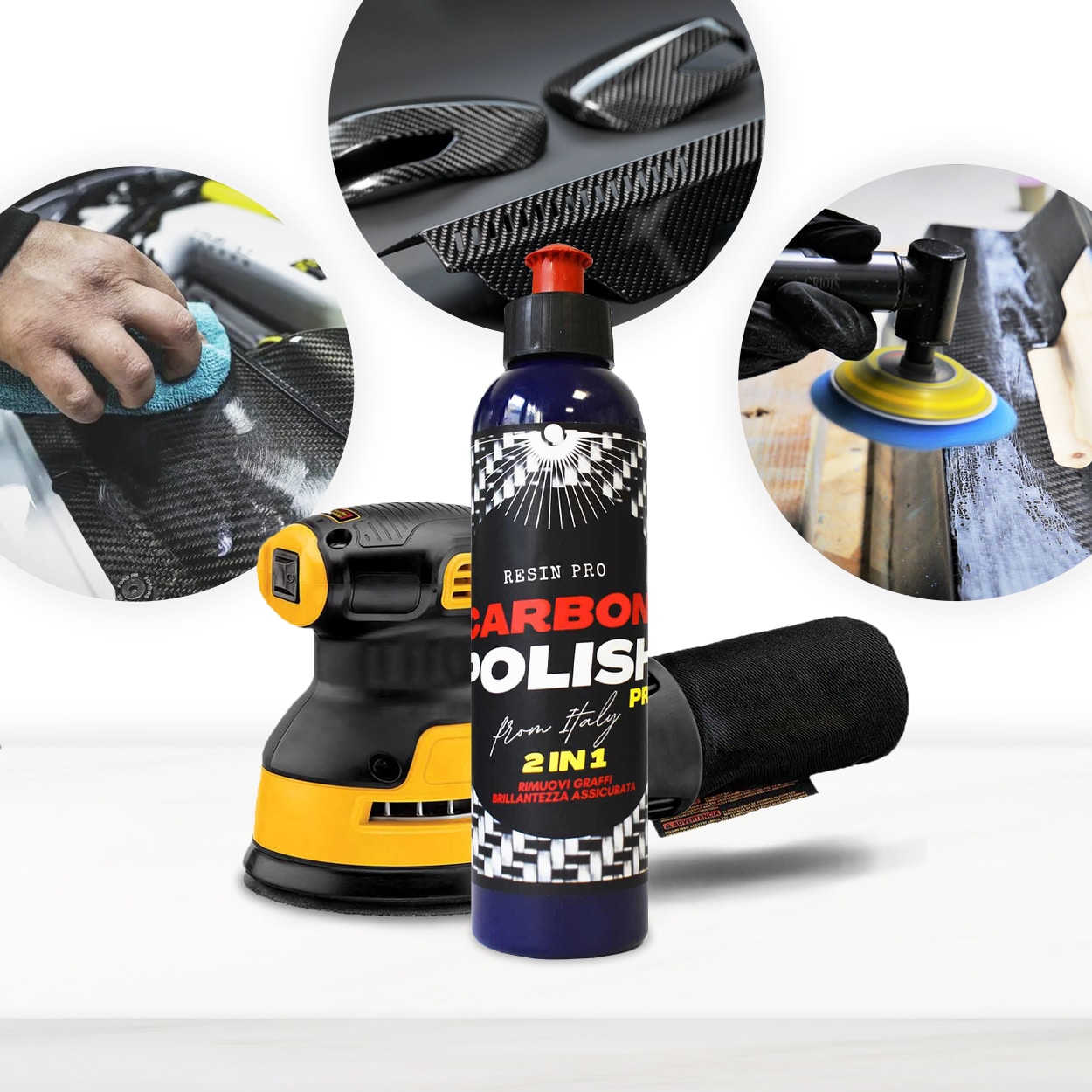
- Polishing cream (for restoring gloss, optional – try “Epoxy Polish” – Epoxy Resin Polishing System or for dark surfaces, “Carbon Polish” – Polishing System for Dark and Black Surfaces, 250ml)
- Protective gloves (advised for sensitive skin or frequent cleaning)

Demonstrating safe cleaning on a resin finish
Watch as a professional uses gentle motion and non-abrasive cloths to clean a resin piece, showing the right technique and what products to apply for best results. Explore the Strong Technical Degreaser for gentle yet thorough removal of residue.
Step 1: Gently Remove Dust and Surface Particles
Start by removing loose dust and debris from your resin surface. Use a soft, dry microfibre cloth to gently wipe without applying excessive pressure. This initial step helps prevent scratching, as even small particles can act as abrasives when moved across glossy resin. Ensure the cloth is completely clean before use, and avoid paper towels, which can leave lint or micro-scratches.
For outdoor resin projects or those with significant debris, lightly blow off the surface before wiping. Never use rough fabrics or scouring pads at any stage, as these will damage the glossy finish.


Step 2: Clean with a Suitable Solution
Next, address any greasy marks, fingerprints, or light stains. Dampen a microfibre cloth with warm water and a mild detergent if needed, and gently wipe in a circular motion. Do not soak the resin; excess water can seep into wood or porous bases. For more persistent contamination such as adhesive residues, silicone, or stubborn oils, apply a small amount of Strong Technical Degreaser for Resin Projects – 100% Natural Formula to the cloth. Wipe the affected area, then immediately follow with a clean, damp cloth to remove any product traces.
Always use gentle, non-abrasive materials on resin coatings to preserve shine and clarity. For dark-coloured or black resin, avoid standard cleaning sprays that may leave white residues.
Step 3: Tackle Stubborn Spots and Residue
If stains persist after regular cleaning, lightly dampen a clean cloth with Pure Isopropyl Alcohol 99.9% – 1000ml Bottle for Epoxy Resin Projects & DIY. Gently rub the mark until it disappears, then buff with a dry cloth. Isopropyl alcohol evaporates quickly and does not leave residue, helping restore a streak-free finish. Never use acetone, strong solvents, or abrasive commercial cleaners, as these can damage your resin’s surface.
Step 4: Optional – Restore Gloss and Polish the Surface
Should your resin coating show fine scratches or loss of sheen after cleaning, consider using a dedicated polishing cream. For standard resin, “Epoxy Polish” – Epoxy Resin Polishing System can revive the original finish without causing dullness. If working with dark or black resin, “Carbon Polish” – Polishing System for Dark and Black Surfaces, 250ml is formulated to eliminate marks without leaving visible residues. Apply the polish with a soft pad or microfibre cloth according to product instructions, then buff for a high-gloss look.
Tips, Common Mistakes, and Troubleshooting
Test any cleaner on a small hidden area before full use to ensure compatibility with your specific resin. Do not use harsh solvents or abrasive pads, as these strip gloss or cloud the finish. If streaks remain, increase buffing with a dry microfibre cloth, or repeat with a small amount of isopropyl alcohol. Always dry your surface thoroughly to prevent water spots.
Store resin projects away from excessive sunlight and heat once cleaned to maintain their appearance for longer.

Restoring gloss with polish after cleaning
Discover the shine restoration process using resin-specific polishing creams for both clear and dark surfaces. See Epoxy Polish and Carbon Polish in action for a perfect finish.

- Strong Technical Degreaser for Resin Projects – 100% Natural FormulaOriginal price was: £10.95.£9.45Current price is: £9.45.Strong Technical Degreaser is designed for cleaning epoxy resin projects and a variety of surfaces safely and gently.
- Pure Isopropyl Alcohol 99.9% – 1000ml Bottle for Epoxy Resin Projects & DIYPrice range: £10.45 through £20.95Pure Isopropyl Alcohol 99.9% is suitable for epoxy resin projects, used to remove bubbles and aid resin art effects.
- "Epoxy Polish" – Epoxy Resin Polishing SystemPrice range: £18.95 through £47.45"Epoxy Polish" delivers a polishing system suitable for resin projects, designed to restore surfaces to a mirror-like shine efficiently.
- "Carbon Polish" – Polishing System for Dark and Black Surfaces, 250mlPrice range: £18.95 through £47.45Carbon Polish is designed for polishing dark and black surfaces in epoxy resin projects, providing a clean finish without white residues.
Frequently Asked Questions
What is the safest way to clean a resin coating?
Use a soft microfibre cloth and gentle cleaning solutions specifically suitable for resin surfaces. Avoid abrasives and harsh chemicals.
How can I remove stubborn stains from resin coatings?
Apply a small amount of isopropyl alcohol to a clean cloth and gently rub the spot. For greasy stains, use a resin-safe degreaser.
What cleaning products should I avoid on resin surfaces?
Avoid strong solvents such as acetone, scouring pads, and household abrasive cleaners which can scratch or dull resin.
Do I need to polish the resin coating after cleaning?
Polishing is optional but recommended if the surface appears scratched or dull. Use a polish formulated for resin surfaces.
How often should I clean my resin coating?
Routine cleaning should be done as needed when dust or marks are visible. Avoid over-washing to prevent deterioration of gloss.
How do I prevent streaks after cleaning resin?
Buff with a dry, lint-free cloth after using a mild cleaning solution or isopropyl alcohol to leave the surface streak-free.