 Free shipping on orders over £29,85
  Shipping Tracking!


 Google
 Facebook
How do you use polyester resin without styrene?
Discover safe, effective alternatives with epoxy resin solutions

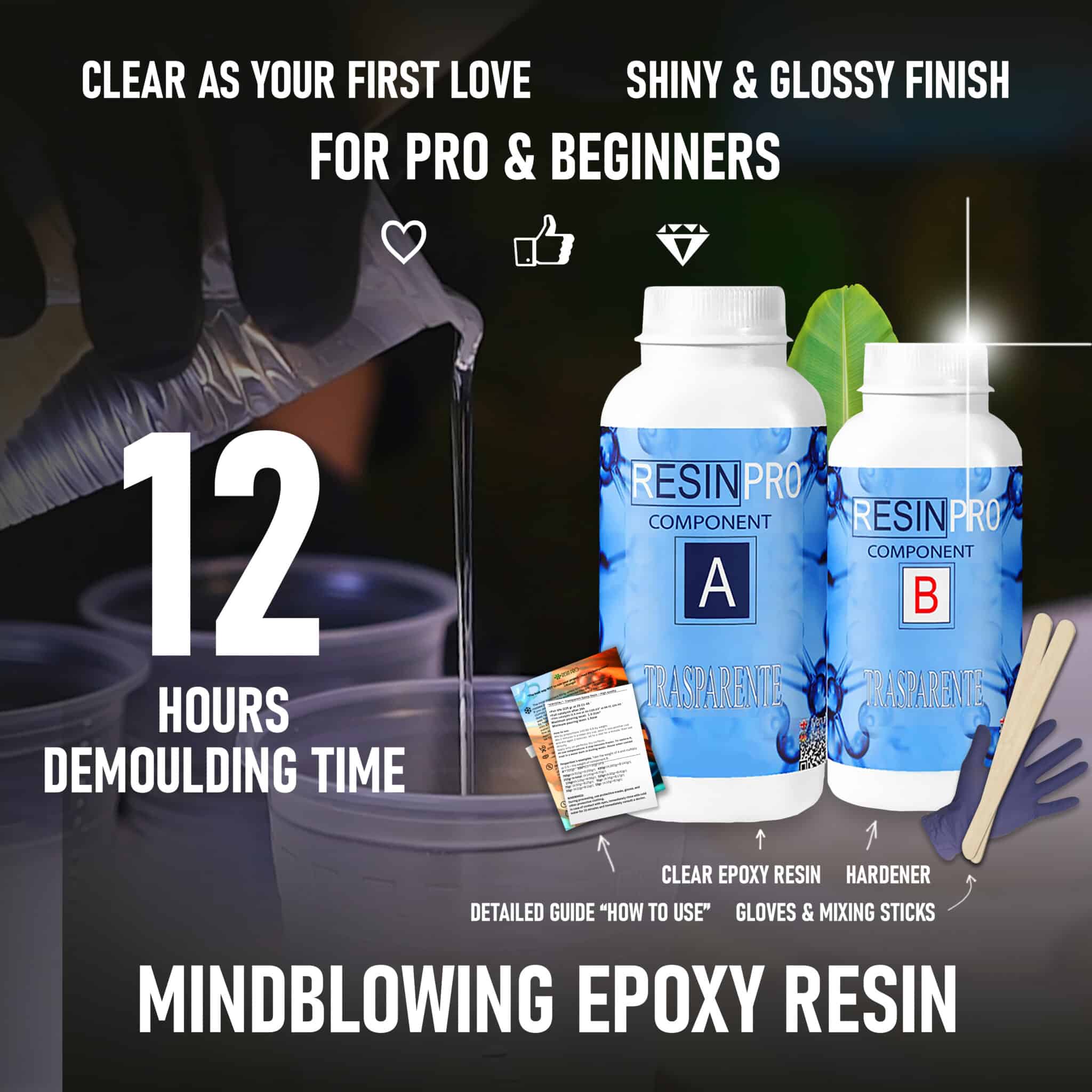
If you’re searching for a way to achieve strong, clear, and reliable results in your casting or composite projects—without the harsh odour and health concerns associated with styrene-containing polyester resins—this guide is for you. On this page, we’ll highlight the best alternatives, explain the advantages they offer, and help you find the right resin solution for your needs.
Epoxy vs. Styrene-Free Polyester: Key Differences and Alternatives
Traditional polyester resins often rely on styrene as a reactive diluent, but this brings strong fumes and safety risks. Fortunately, modern epoxy resins offer solutions that rival or exceed polyester performance—without using styrene at all. Epoxy resins are notable for their almost odourless application, room temperature curing, and strong mechanical integrity. While there are some styrene-free polyester resins on the market, epoxy options often provide better clarity, durability, and user-friendliness for both composite and casting projects.
Choosing the right product depends on your project: deep pours, surface coatings, casting small objects or large tables, or impregnating technical fabrics. Below you’ll find a comparison and links to recommended epoxy alternatives for different applications.

Visual Comparison: Epoxy vs. Polyester Resin
Epoxy resins stand out for clarity, strength, and user safety when compared to traditional polyester (styrene-containing) solutions. Explore gallery images of both clear castings and technical fabric work using modern epoxy alternatives. These visuals showcase the finish, thickness, and bubble-free characteristics only epoxy can reliably offer, especially for those avoiding toxic fumes and yellowing common with older polyester systems.
“Carbon Resin” – Epoxy Resin for Carbon Fibre and Fibreglass Projects
“Carbon Resin” – Epoxy Resin for Carbon Fiber & Fiberglass Coating is expertly formulated to ensure perfect impregnation and structural integrity for technical fabrics. Designed specifically for composite technicians and advanced makers, its high impact resistance and easy application deliver bubble-free results and a glossy, professional finish. With room temperature curing, it’s ideal if you need an alternative to traditional polyester or styrene-based resins in carbon fibre, fibreglass work, or precision modelling.
“Trasparente” – Multipurpose Clear Epoxy Resin for Casting (Up to 2cm)
The “Trasparente” – Multipurpose Clear Epoxy Resin for Casting – Up to 2cm is a certified non-toxic, crystal-clear solution suitable for crafts, woodworking, jewellery, and art. This resin boasts an ultra-clear formula, remarkable UV stability, and high scratch resistance. Thanks to its integrated UV filter and cruelty free, vegan friendly credentials, it’s a top pick for those who want clarity and safety when replacing traditional polyester systems for detailed pieces up to 2cm thick.
“Epoxytable 10-Ten” – Deep Pour Epoxy Resin for up to 10cm
“Epoxytable 10-Ten” – Deep Pour Epoxy Resin for Tables, Up to 10cm Casting is specifically created for thick castings, river tables, and large artistic surfaces. Its low exothermic reaction targets overheating prevention, while strong UV filters guarantee clarity and colour stability for years. Perfect for projects where a deep, durable, and styrene-free pour is vital, with super low viscosity to achieve bubble-free results.
“EpoxyTable 5-Five” – Deep Pour Epoxy Resin for up to 5cm
For mid-range pours and robust furniture castings, “EpoxyTable 5-Five” – Deep Pour Epoxy Resin for Tables and Large Projects – Up to 5cm excels. This formulation is designed for castings up to 5cm with low exothermic reaction and offers a highly mechanical resistant, scratchproof surface. Its slow curing profile allows relaxed working, and its UV filters protect against yellowing—ticking all the boxes for those avoiding styrene emissions.
Project Tips: Making the Switch from Polyester to Epoxy
When moving from polyester to epoxy resins, a few technique adjustments will yield optimal results. Pay attention to mixing ratios, pour depths, and temperature, as these parameters can differ between epoxy and polyester. Use clean tools and protect your workspace from dust. For multi-layer work, allow proper curing between pours. If you’re concerned about adhesion to wood or technical fabrics, be sure to choose the appropriate primer or sealing method. Above all, work in a well-ventilated area and wear gloves for safety, even though odour and emissions are greatly reduced compared to styrene-based systems.
Techniques and Safety in Styrene-Free Projects
Switching to epoxy resins not only minimises odour but provides stronger, longer-lasting results. Browse project images and close-ups demonstrating successful deep pours and composite laminations achieved with the right mixing, layering, and finishing techniques. Don’t forget to use gloves and work in a ventilated space—even though epoxy alternatives are much friendlier and safer than classic styrene-rich resins.

- "Carbon Resin" – Epoxy Resin for Carbon Fiber & Fiberglass CoatingPrice range: £19.95 through £37.95Epoxy resin designed for carbon fibre and fibreglass with precise impregnation and impact resistance for professional composite projects.
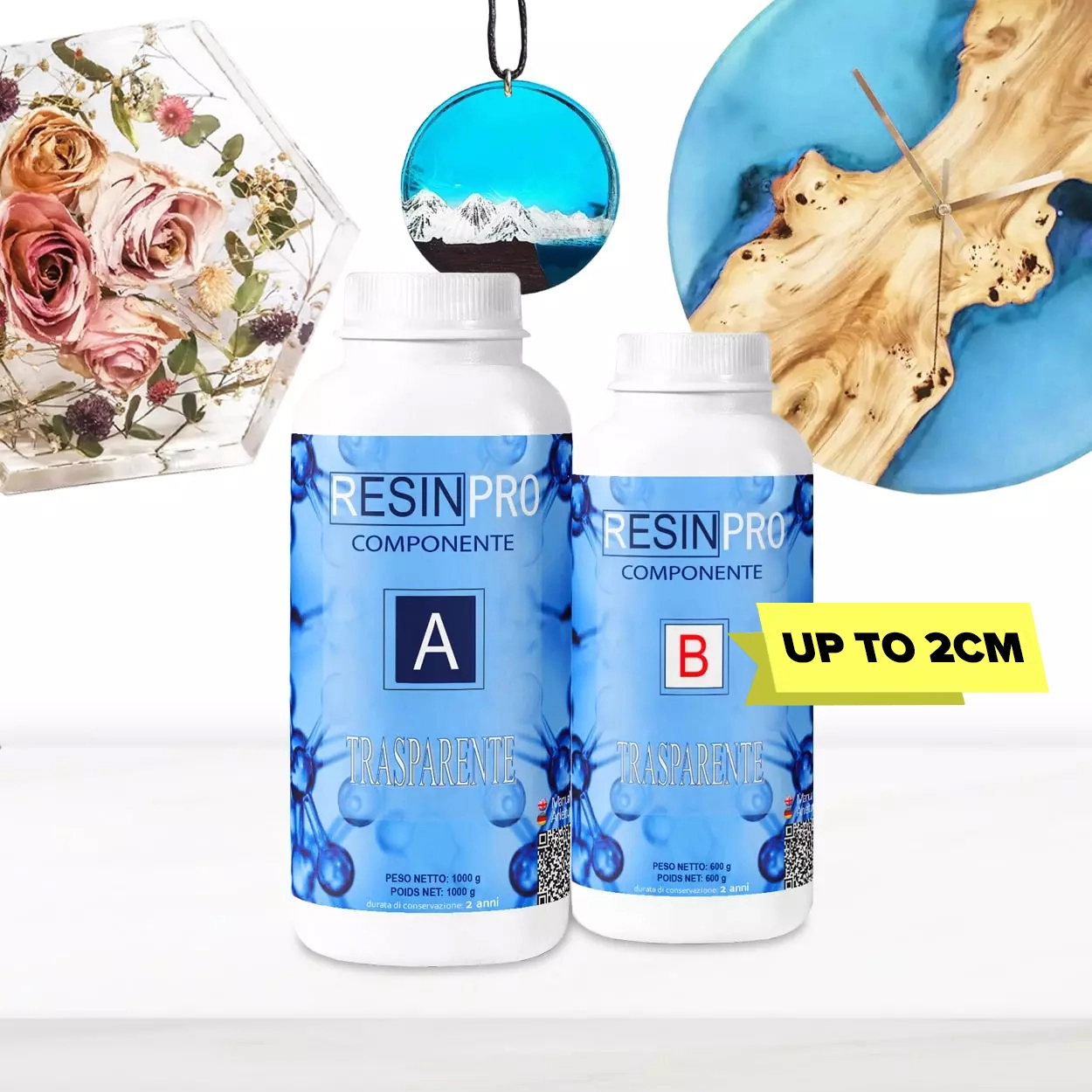 "Trasparente" – Multipurpose Clear Epoxy Resin for Casting – Up to 2cmPrice range: £8.95 through £397.95"Trasparente" is a clear epoxy resin designed for use in crafting and woodworking with up to 2cm layers, suitable for small tables and detailed…
 “Epoxytable 10-Ten” – Deep Pour Epoxy Resin for Tables, Up to 10cm CastingPrice range: £35.95 through £351.95“Epoxytable 10-Ten” is designed for deep pour applications up to 10cm, suitable for creating tables and artistic castings with clear, non-yellowing…
 "EpoxyTable 5-Five" – Deep Pour Epoxy Resin for Tables and Large Projects – Up to 5cmPrice range: £17.95 through £1,154.95"EpoxyTable 5-Five" is suitable for deep pouring applications such as tables and large projects, providing a clear, bubble-free finish with UV…
Frequently Asked Questions
What are the main benefits of using epoxy resin instead of polyester resin with styrene?
Epoxy resin provides superior strength, clarity, and less odour, making it safer and more suitable for both crafts and large projects.
Can I use epoxy resin for impregnating carbon fibre or fibreglass instead of polyester?
Yes, epoxy resin offers precise impregnation, impact resistance, and generally better results for composite work compared to polyester.
What is the best alternative to polyester resin for clear casting?
A clear epoxy resin such as "Trasparente" is recommended for up to 2cm pours, offering better clarity and reduced yellowing risk.
Which resin should I use for deep pour tables or thick castings without styrene?
Use an epoxy resin designed for deep pours such as "EpoxyTable 10-Ten" or "EpoxyTable 5-Five" for safe, bubble-free results.
Are there safety precautions when using styrene-free epoxy compared to polyester resin?
While epoxy is far safer, still wear gloves and work in ventilation for best practice during curing and handling.
How does yellowing compare between styrene-free epoxy and polyester resins?
Modern epoxy resins offer strong UV filters, significantly reducing yellowing compared to traditional polyester types.