 Free shipping on orders over £29,85
  Shipping Tracking!


 Google
 Facebook
How to recover resin chair?
Step-by-step instructions for restoring resin furniture

If your favourite resin chair has developed cracks, dullness, or surface damage, it is possible to restore it to a like-new condition. This guide walks you through each step to recover a resin chair, from preparing the surface to making minor repairs, ensuring a lasting and aesthetically pleasing result.
What You’ll Need
- Strong Technical Degreaser for Resin Projects – 100% Natural Formula – For cleaning the chair before repairs
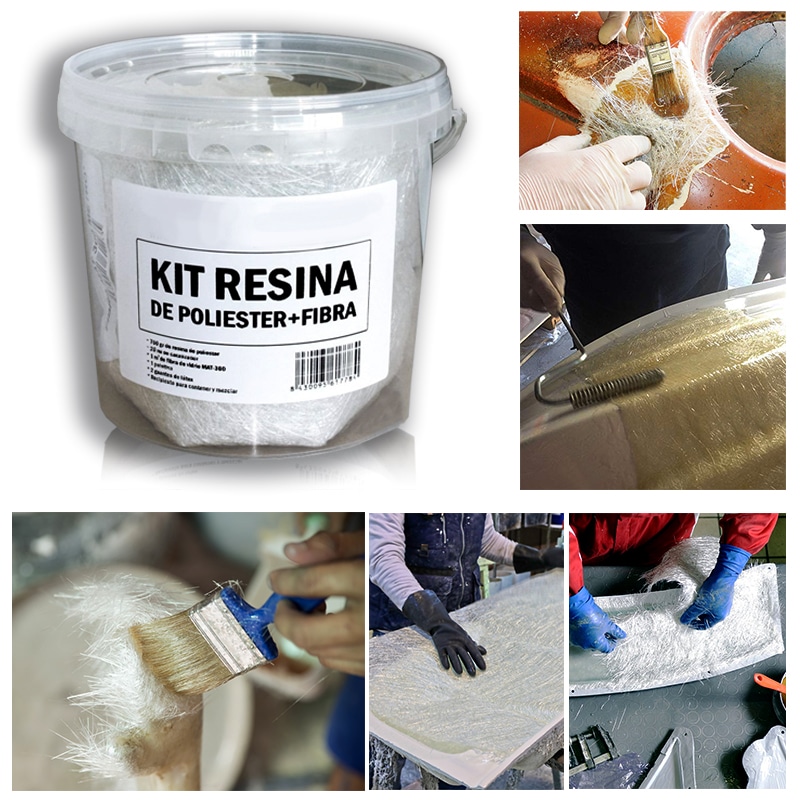
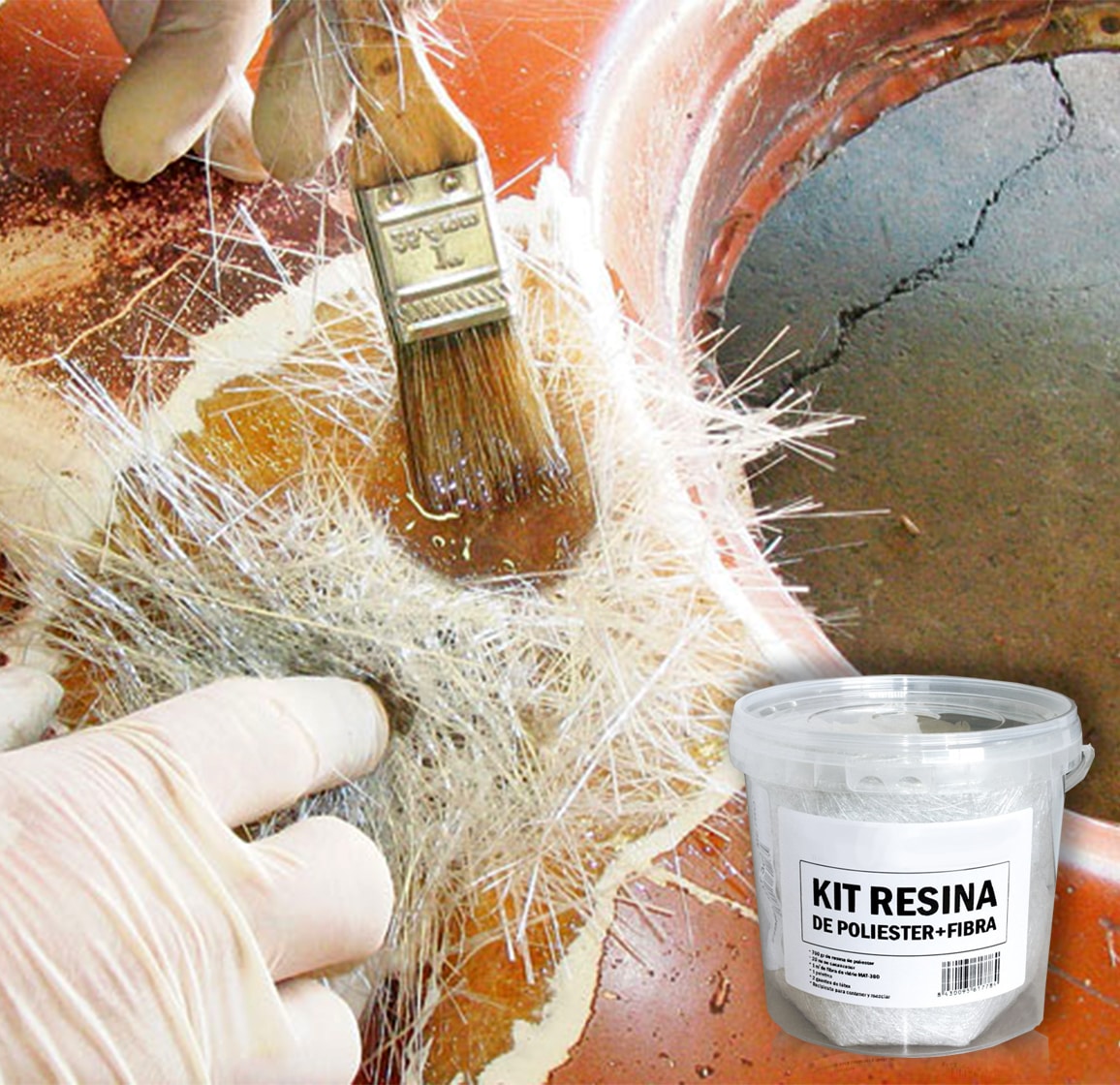
- Resin Fibreglass Repair Kit – Complete Polyester Resin and Hardener Set – For filling cracks or rebuilding damaged areas
- “Trasparente” – Multipurpose Clear Epoxy Resin for Casting – Up to 2cm – For resurfacing and finishing
- “Epoxy Polish” – Epoxy Resin Polishing System – For final surface gloss and smoothness
- Sandpaper (various grits)
- Soft lint-free cloths
- Protective gloves, mixing containers, and brushes (usually included in resin kits)
See the Chair Restoration Process in Action
View before-and-after visuals and time-lapse demonstrations of resin chair repair, surface sanding, and final finishing. See how professional results can be achieved at home using the recommended products.
Step 1: Clean and Prepare the Surface
Before beginning any restoration work, it is essential to remove all grease, grime, and residue from the chair. Cleaning ensures that adhesives and resins will bond effectively, preventing issues later. Use a damp cloth to wipe off loose dust, then apply a high-quality degreaser for a thorough clean.
For stubborn or oily deposits, Strong Technical Degreaser for Resin Projects – 100% Natural Formula is ideal. It removes contaminants safely from resin surfaces without causing any skin irritation or surface damage.
Allow the chair to dry fully before proceeding. If the surface remains glossy in worn or patched areas, quickly sand with fine-grit sandpaper to create a lightly abraded, matte surface where repairs are needed. Wipe away dust.

Step 2: Make Structural Repairs
Inspect your resin chair for cracks, deep scratches, or areas where the material has become brittle or broken through. Use a craft knife or fine sandpaper to smooth away any loose or flaking edges around damaged spots. Always work in a well-ventilated space and wear gloves.
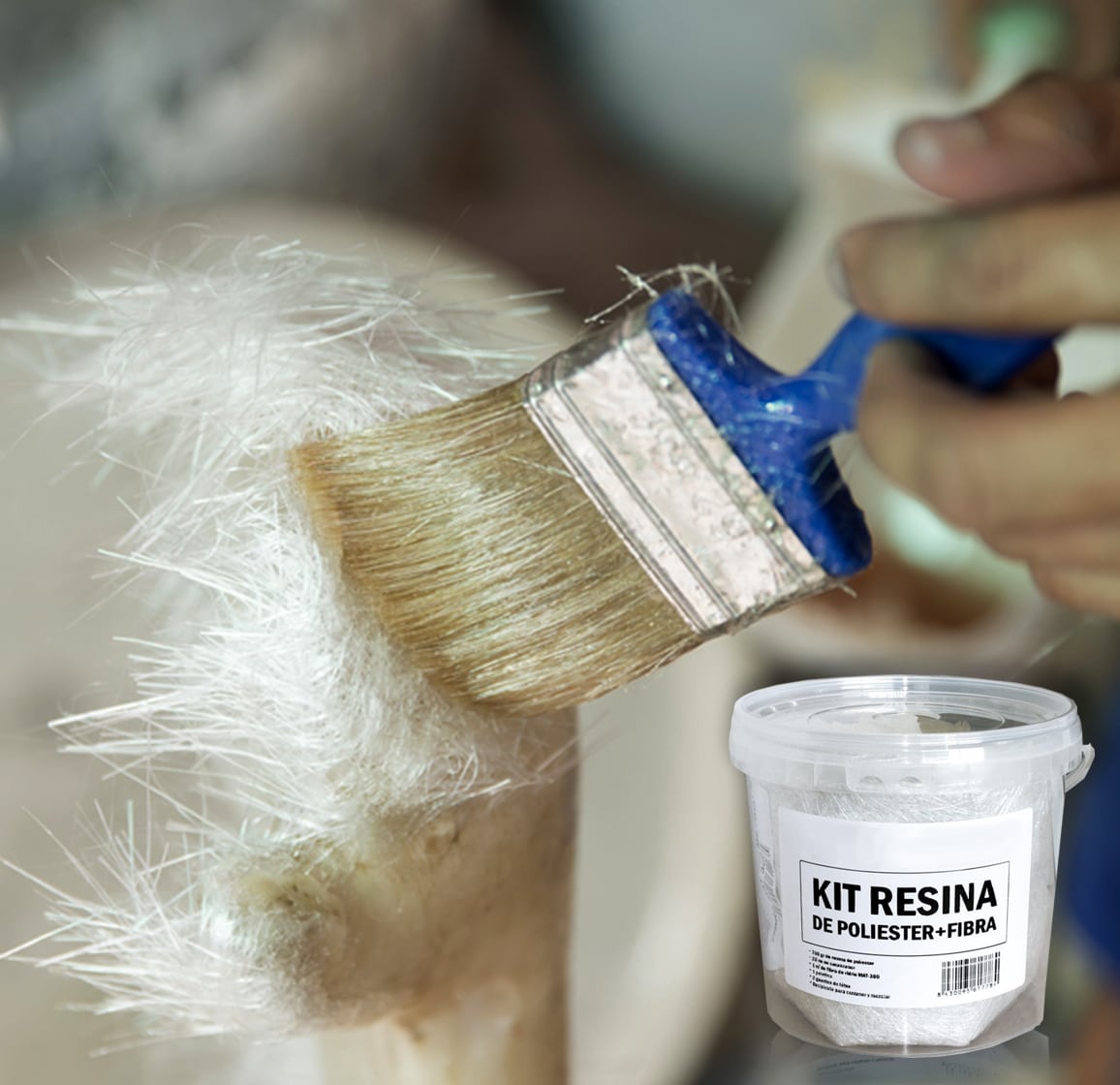
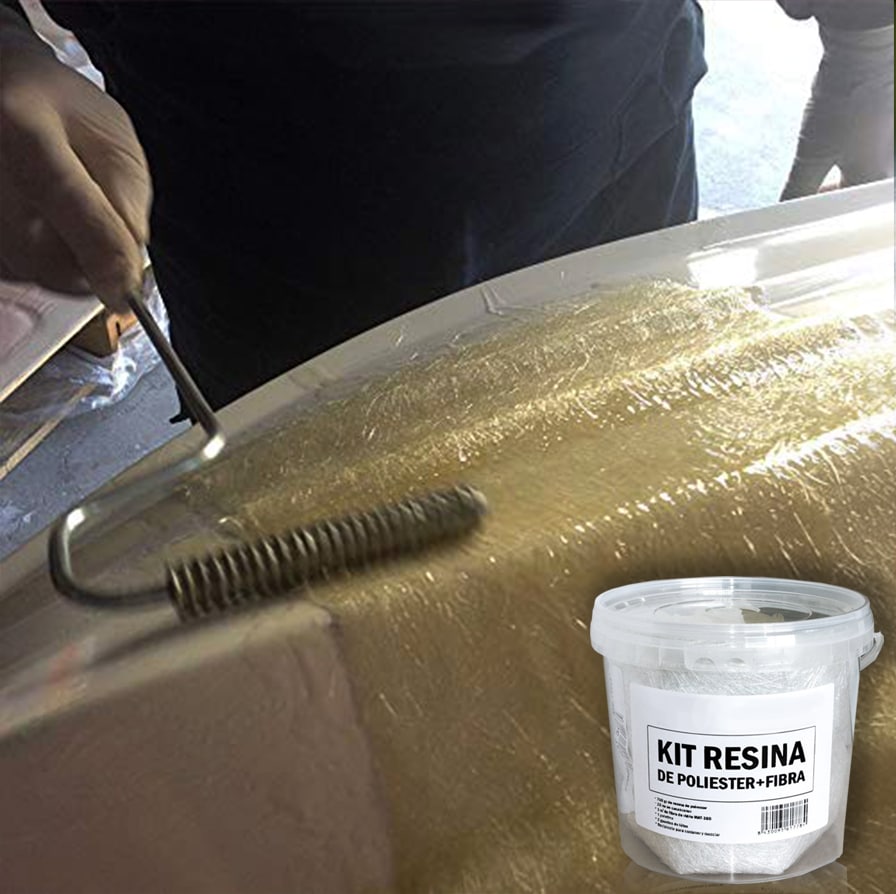
For filling cracks and rebuilding missing sections, a dedicated repair kit with fibreglass mat and polyester resin offers long-lasting structural results. The Resin Fibreglass Repair Kit – Complete Polyester Resin and Hardener Set includes everything required. Follow the kit instructions to cut a section of fibreglass, position it over larger cracks or holes, and mix the provided resin and hardener at the correct ratio. Apply with a brush, ensuring thorough, even coverage for a strong bond.
Leave the resin to fully cure at room temperature as directed. Avoid handling the chair until it is set hard, usually several hours to overnight.
Step 3: Refinish the Surface for a Like-New Finish
After structural repairs, you may notice surface unevenness or visible join marks. To achieve a neat appearance, light sanding is recommended. Progress through several sandpaper grades, moving from coarse to fine for a smooth finish. Wipe away sanding dust completely between each grade to avoid surface scratches.
If a clear, glossy surface is desired, apply a thin layer of epoxy resin suitable for casting onto the chair’s surface. “Trasparente” – Multipurpose Clear Epoxy Resin for Casting – Up to 2cm delivers a professional, crystal-clear finish and is easy to level. Pour or brush as instructed, always working in a dust-free environment. Allow to dry undisturbed for a flawless surface.


Step 4: Polish for Shine and Protection
Once fully cured, the final touch is to restore gloss and achieve a uniform, smooth finish. This not only improves visual appeal but also helps protect the resin from new scratches and wear. Begin by gently buffing the surface with a microfibre cloth.
For best results, use the “Epoxy Polish” – Epoxy Resin Polishing System. Apply as per the included instructions, working the polish into the surface using circular motions until the desired lustre appears. Where possible, use a polishing pad or holder for even results on larger surfaces.
Common Mistakes and Troubleshooting
Common Mistakes and Troubleshooting
Rushing the curing time, poor preparation, or using unsuitable products can result in patchy repairs or cloudiness. Always allow complete drying and curing between steps. Test polishing on a hidden area first if unsure. Work in a clean, well-ventilated space, and never over-apply resin, as this causes drips and bubbles. Address issues promptly: sand out small imperfections, and clean away residue before recoating or polishing.

Examples of Restored Resin Chairs
Discover real-life projects where damaged resin chairs were restored to their original beauty. Explore finish options and protective solutions to inspire your own resin furniture recovery process.
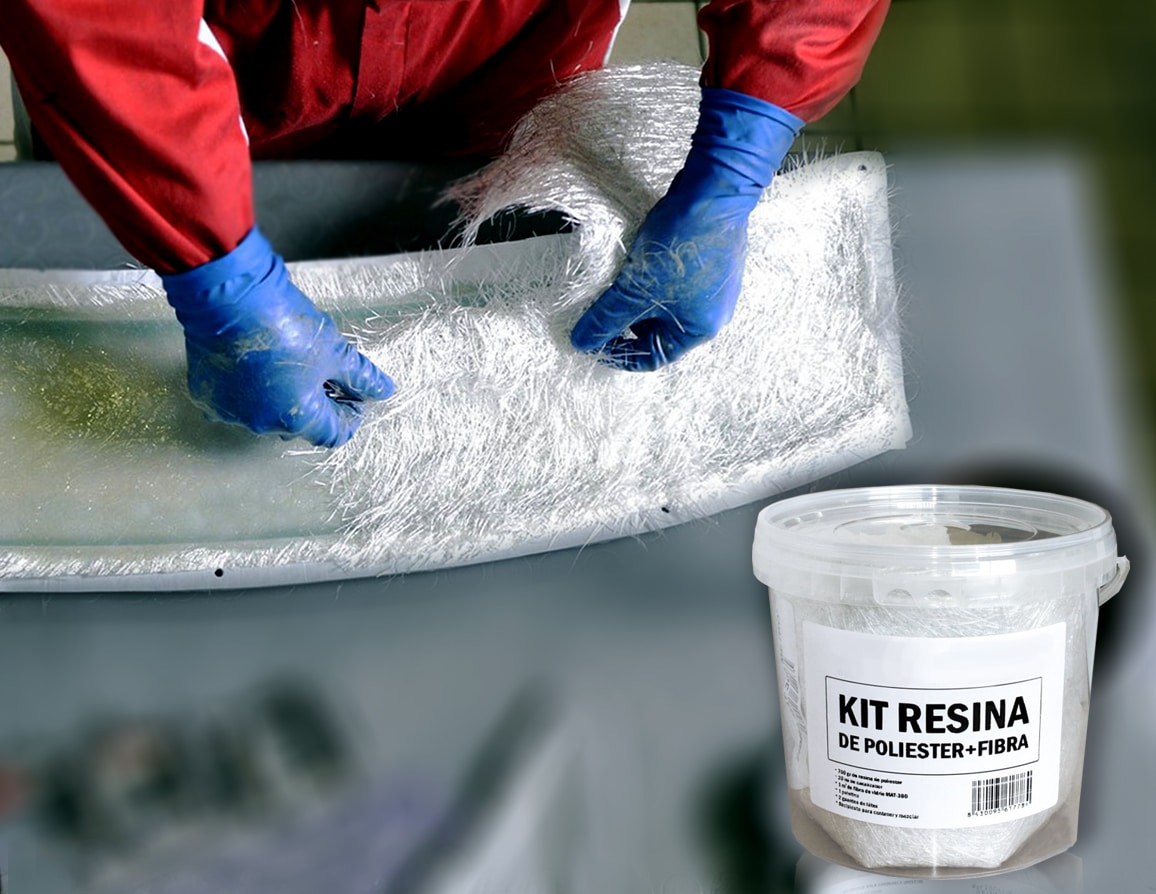
- Resin Fibreglass Repair Kit – Complete Polyester Resin and Hardener SetResin Fibreglass Repair Kit is a complete polyester resin set offering durable waterproof repairs for rigid plastics and metals.
- Strong Technical Degreaser for Resin Projects – 100% Natural FormulaOriginal price was: £10.95.£9.45Current price is: £9.45.Strong Technical Degreaser is formulated with natural ingredients for cleaning surfaces commonly involved in resin work under the chair recovery…
- "Epoxy Polish" – Epoxy Resin Polishing SystemPrice range: £18.95 through £47.45Epoxy Polish is a resin polishing system designed to restore glossy finishes effectively for resin projects.
 "Trasparente" – Multipurpose Clear Epoxy Resin for Casting – Up to 2cmPrice range: £8.95 through £397.95"Trasparente" provides a clear, self-levelling finish suitable for detailed casting and restoration projects under the theme How to recover resin…
Frequently Asked Questions
Can I use epoxy resin for chair repair?
Yes, epoxy resin works well for surface refinishing and minor repairs on resin chairs, particularly for filling small defects and providing a glossy finish.
How can I remove old stains from a resin chair?
Use a suitable degreaser and gentle abrasion to clean stubborn stains before beginning any repair or refinishing.
Is a fibreglass repair kit suitable for resin chair restoration?
Yes, it provides a strong and lasting fix for structural damage, especially in cracks and broken areas.
How long does it take for chair repairs with resin to cure?
Curing times vary, but most resin systems need several hours to set. Always follow the specific product instructions for best results.
Can I repair a yellowed or scratched resin chair?
Yes, light sanding followed by clear epoxy resin application and polishing can restore clarity and remove most surface scratches.
Do I need to sand before applying resin on a chair?
Sanding ensures proper adhesion for repair resins and epoxies, especially where the old finish is glossy or worn.