 Free shipping on orders over £29,85
  Shipping Tracking!


 Google
 Facebook
← Back to What do you glue UV resin with?
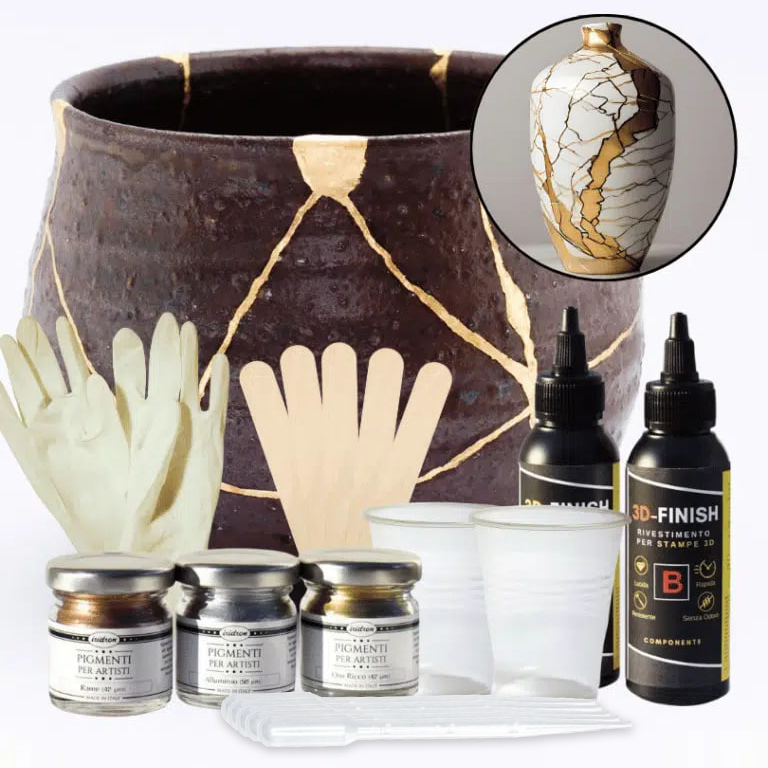

The Kintsugi technique, traditionally used for restoring ceramics with artistic flair, is now enjoyed by many crafters looking to add unique accents or repair a range of materials. But can Kintsugi kits be applied to UV resin items and what should you consider if you’d like to try this approach?
How Kintsugi Repair Kits Work
Kintsugi repair kits typically feature a high-viscosity resin combined with metallic pigments to mimic the classic gold, silver, or copper seams found in original Japanese Kintsugi. The viscous resin formula is designed for ceramics to avoid drips and ensure strong, moisture-resistant bonds. When applied, the resin fills cracks or joins broken pieces, then cures to form a decorative, highlighted seam.


Applying Kintsugi to UV Resin Projects
While these kits are made for ceramics, they can also be used on some resin-based objects—especially composite resin art or craft pieces. Using a Kintsugi repair kit on UV resin is best reserved for decorative finishes, not for high-stress functional repairs. The resin and metallic effect can create an eye-catching aesthetic contrast on your UV resin work, emphasising ‘imperfections’ as a part of the artistic statement.
When This Matters
Consider a Kintsugi approach on UV resin when your goal is purely decorative—highlighting joins or cracks in jewellery, ornaments, or small art projects. If structural strength or food-contact safety is a priority, the Kintsugi kit may not be your best option.

Related products
Related guides
In summary, Kintsugi repair kits can add a beautiful, decorative touch to select UV resin items, offering a celebration of flaws through creative design. For more advice on adhesives and additives suitable for UV resin, see our main guide: What do you glue UV resin with?