 Free shipping on orders over £29,85
  Shipping Tracking!


 Google
 Facebook
← Back to How to use antifosphate resins?
Getting a strong, durable result with antifosphate resin depends on how well the surface is prepared beforehand. Careful preparation encourages proper adhesion and ensures a consistent protective layer.
Cleaning and Drying the Surface
Begin by thoroughly cleaning the area to remove dirt, grease, or previous finishes. Use a suitable cleaner, ensuring no residue remains. Once clean, allow the surface to dry completely; moisture can interfere with the resin’s ability to bond and cure correctly.


Sanding and Dust Removal
Lightly sand the substrate to remove any glossy coatings or unevenness, aiming for a smooth, slightly roughened finish. This step creates a profile that helps the resin grip the surface. After sanding, meticulously clear away all dust—especially from grooves and corners—using a vacuum or a tack cloth.
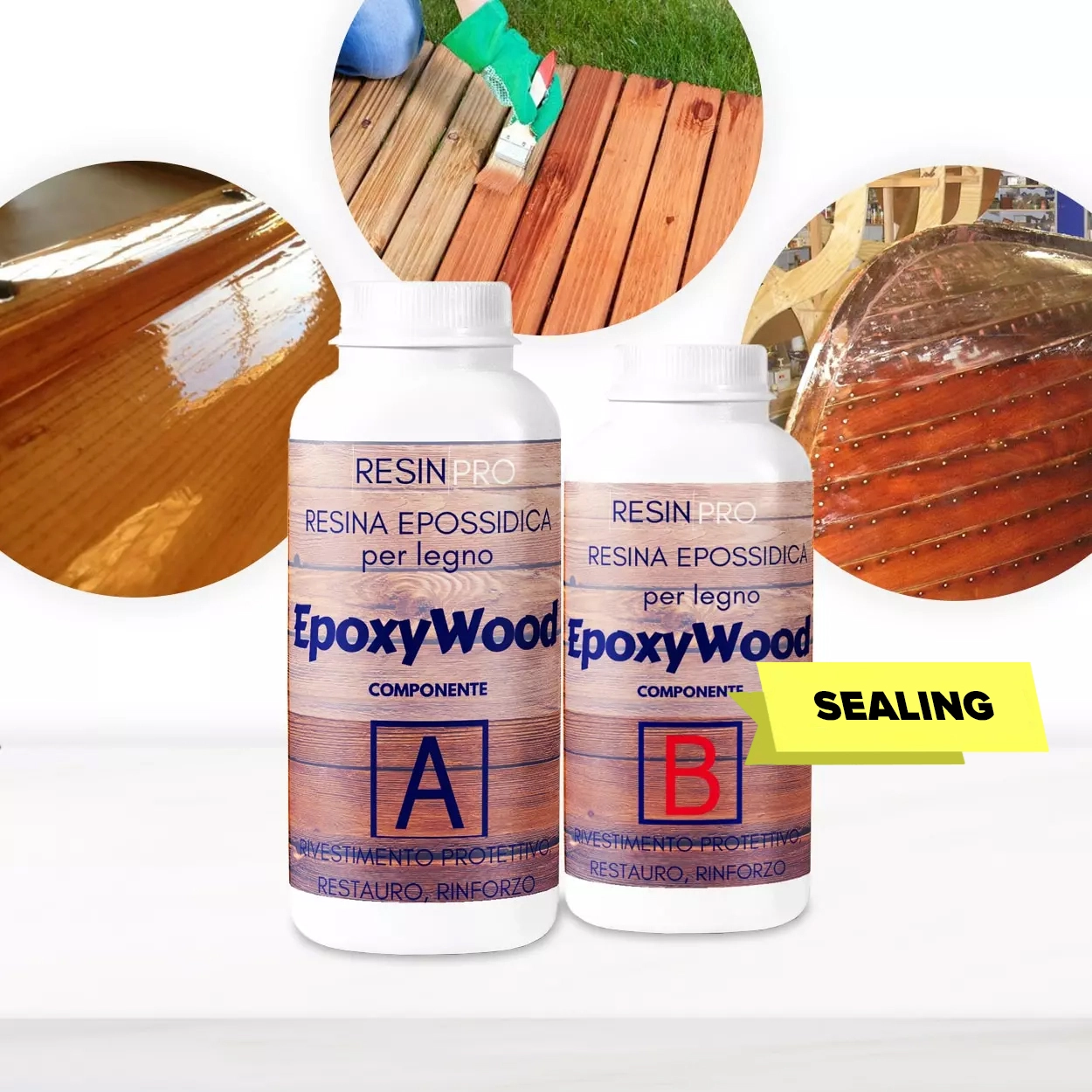
For natural wood, consider applying EpoxyWood before your antifosphate resin to further stabilise and reinforce porous surfaces.
When Surface Prep Matters Most
Good preparation is crucial when restoring older materials, treating damp-prone wood, or working on decorative elements where finish quality counts. Taking time at this stage avoids future peeling, soft spots, or dull patches.

Related products
Related guides
Thorough surface preparation sets the stage for a long-lasting, professional-looking result with antifosphate resin. For more guidance and tips on resin use, return to our main how to use antifosphate resins resource.