 Free shipping on orders over £29,85
  Shipping Tracking!


 Google
 Facebook
← Back to How to use antifosphate resins?

Trapped air bubbles are a common frustration when working with antiphosphate resins, but with the right approach you can minimise or even prevent them for smooth, clear results.
Mix Slowly and Steadily
When combining your resin and hardener, resist the urge to mix rapidly. Stirring gently and patiently, ideally for several minutes, helps avoid introducing excess air into the mixture. Using a wide mixing stick and scraping the sides and bottom of your container ensures a consistent blend while reducing agitation. Pause occasionally during mixing to let air bubbles escape naturally.
Applying Heat to Remove Surface Bubbles
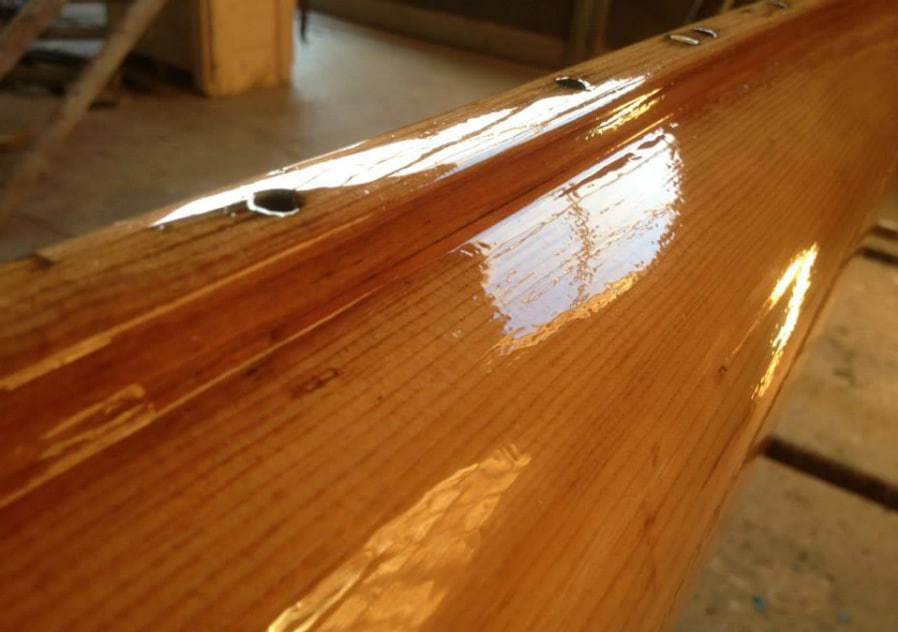
Once you have poured the resin, inspect the surface for any visible bubbles. A common and effective approach is to use a heat gun on a low setting, held a short distance above the resin. Move continuously over the area—do not linger and avoid overheating, as this may affect the curing process or the clarity of the resin. A quick pass can help bubbles rise and burst without damaging the finish. Always follow safety guidance for your specific resin product.
When Bubble Prevention Matters Most
- Clear pours and art projects: Bubbles are especially visible in transparent applications, so careful technique is essential for resin art or jewellery.
- Layered castings: In thicker sections, deeper bubbles may become trapped if not addressed early.
- Professional finishes: Achieving a flawless, bubble-free coat ensures a quality result that stands out.

Related products
Related guides
With careful mixing and thoughtful use of heat, you can achieve beautifully clear finishes when using antiphosphate resins. For more tips and product options, return to our How to use antifosphate resins hub for comprehensive guidance.