 Free shipping on orders over £29,85
  Shipping Tracking!


 Google
 Facebook
← Back to How to use antifosphate resins?
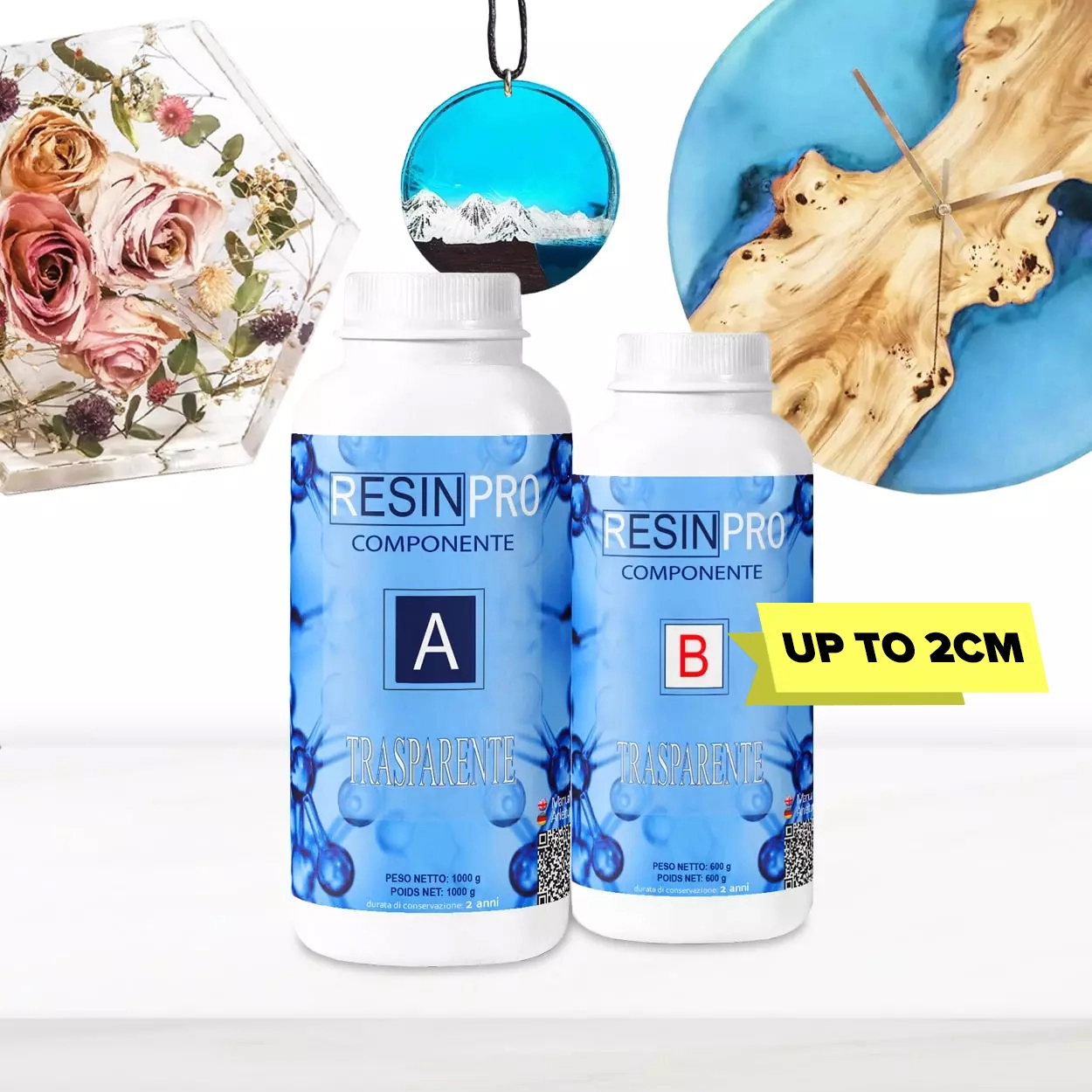
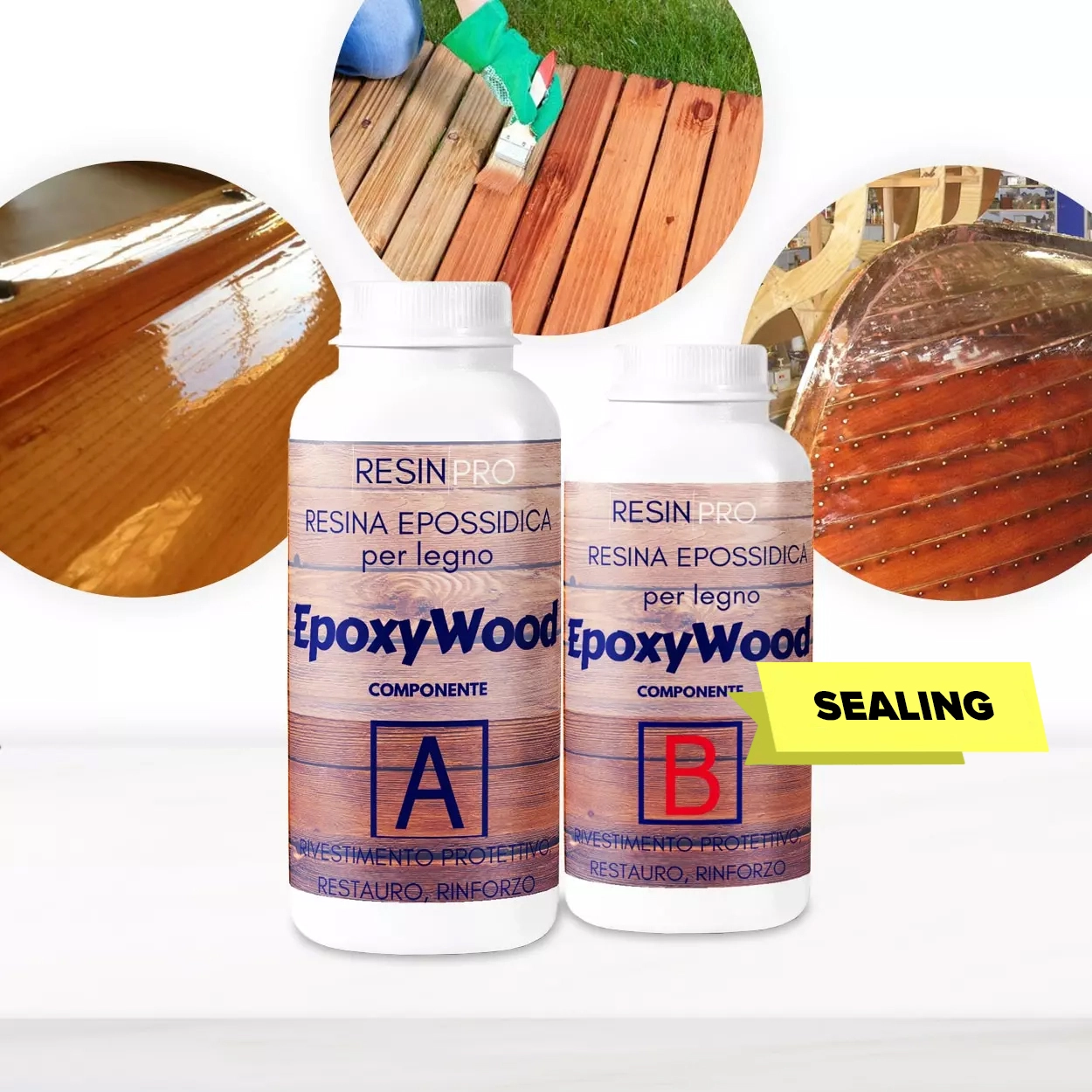
When working with antiphosphate or standard epoxy resins, pouring too thick a layer can cause problems. Knowing the recommended maximum thickness per pour is essential for smooth projects and optimal curing.
Typical Maximum Pour Thickness
The general guideline for antiphosphate and most clear epoxy resins is to limit each layer to 1–2 cm in thickness. Exceeding this can result in excess heat build-up, leading to incomplete curing, clouding, or even warping. Always consult the specific product instructions, as recommendations may vary slightly depending on the formulation.
Why Limiting Thickness Matters
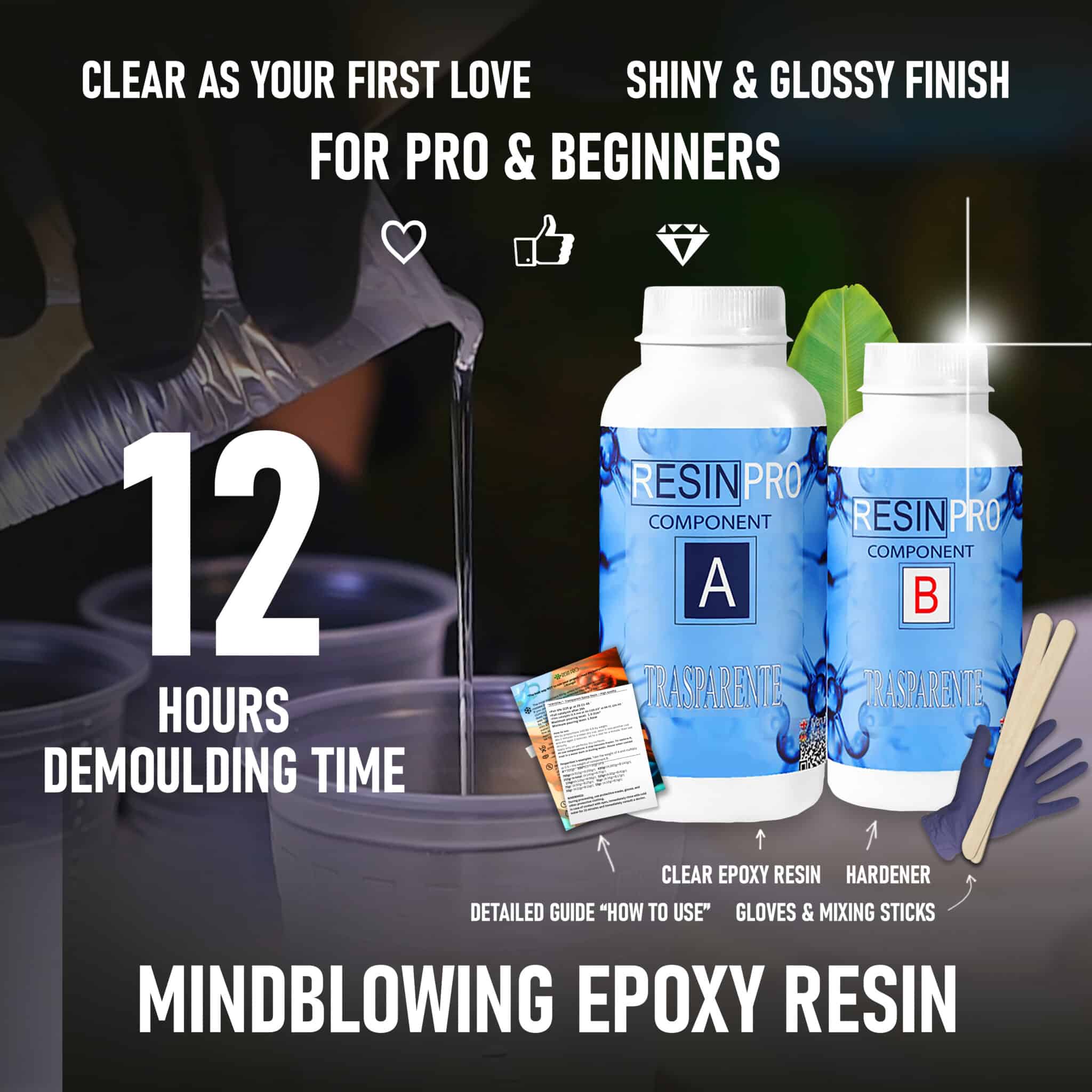
Pouring a resin layer that is too deep increases the risk of overheating. Heat generated during the curing process can quickly become trapped, especially in larger castings, and may result in discolouration, bubbles, or a soft, tacky surface. For consistently clear, professional results, pour in thinner, controlled increments and allow each to fully cure before adding the next.
Practical Pouring Tips
- Measure and mix resin in batches that align with your intended pour thickness.
- Pours up to 2cm thick are ideal for most craft and casting projects—products like “Trasparente” clear epoxy resin specifically suit this depth.
- If your project requires more depth, build up in layers, allowing each to cure completely before pouring the next.
- Work in a moderate temperature environment and avoid additional heat sources, which can accelerate curing and increase risk of overheating.

When This Matters Most
Respecting the maximum recommended thickness is vital for detailed art, jewellery making, tabletops, and any casting where clarity and strength are needed. Layering also prevents wasted materials and disappointment from flawed results.
Related products
Related guides
By following the recommended pour thickness, you set yourself up for success with antifosphate resins. Discover more tips and product advice in our main antiphosphate resin usage guide.