 Free shipping on orders over £29,85
  Shipping Tracking!


 Google
 Facebook
How to Reinforce a Resin Structure?
Step-by-step guide for durable and resilient resin reinforcements


If you need to increase the strength and durability of a resin structure—whether it’s for creative modelling, home repairs, marine projects, or furniture restoration—proper reinforcement is essential. Reinforcing resin ensures your piece withstands mechanical stress, moisture, and daily wear, extending its lifespan and maintaining its integrity.

What You’ll Need
- “Carbon Resin” – Epoxy Resin for Carbon Fiber & Fiberglass Coating – Ideal for composites and technical reinforcement of resin with carbon fibre or fibreglass.
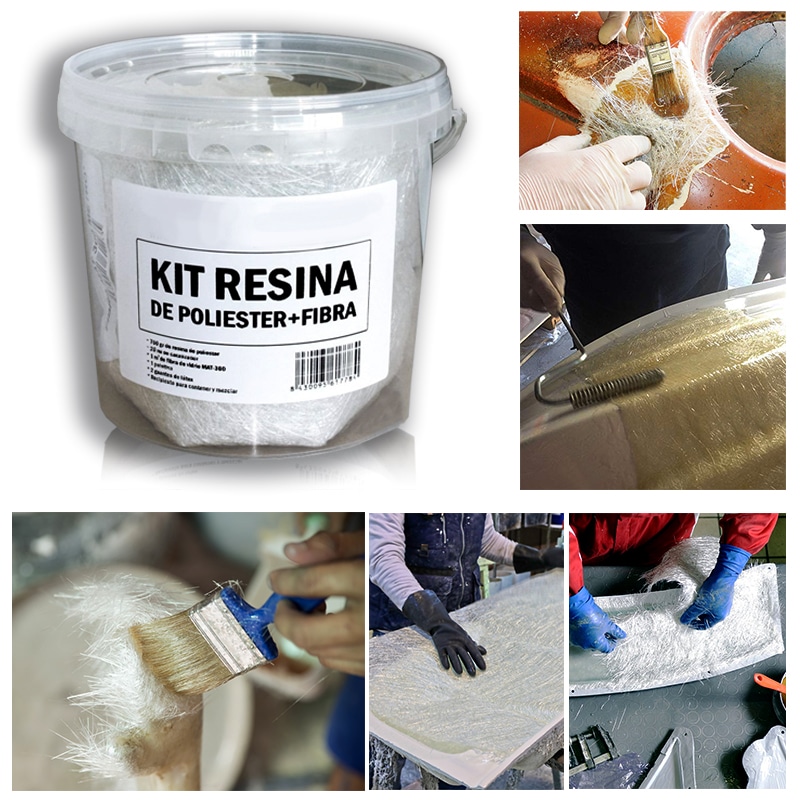
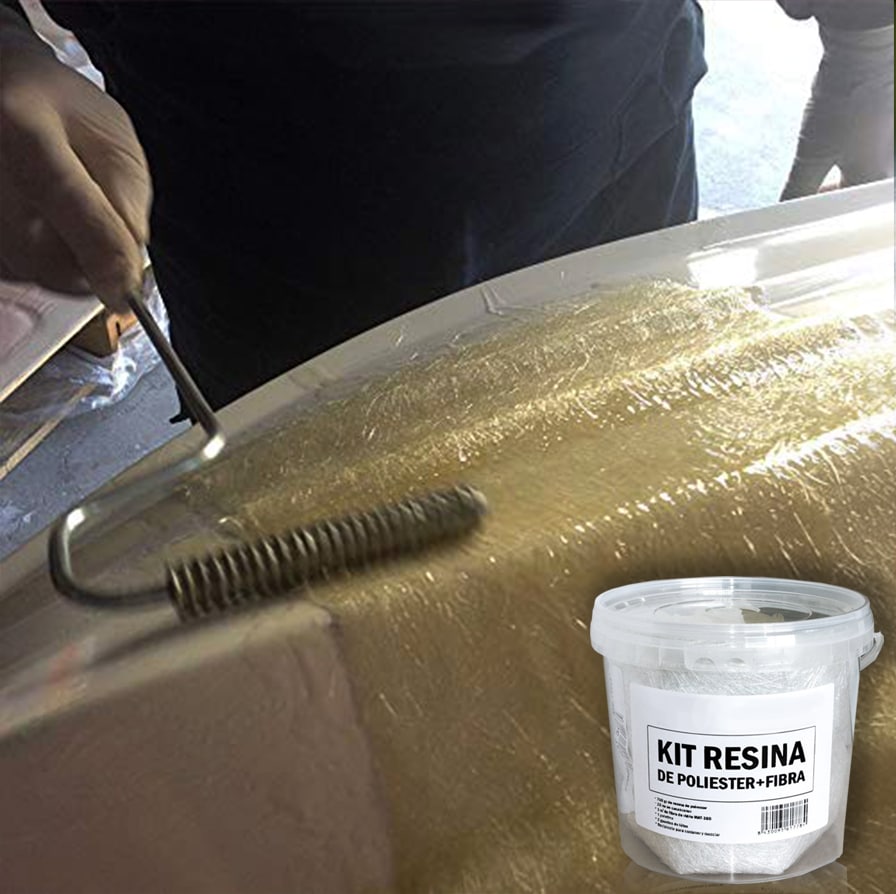
- Resin Fibreglass Repair Kit – Complete Polyester Resin and Hardener Set – Contains everything for basic fibreglass reinforcement and repair.
- CROP 2K Fiberglass Putty – 750 ml + Hardener – For filling and reinforcing cracks or dents in resin, plastics, or metal surfaces.
- “EpoxyWood” – Wood Restoration Epoxy Resin for Deep Penetration and Waterproofing – Perfect for reinforcing wooden parts within resin structures.
- Sandpaper (various grits)
- Protective gloves and suitable workspace protection
- Mixing containers and clean brushes
- Reinforcement material (carbon fibre fabric, fibreglass mat, or mesh as relevant to your project)

Essential Tools and Materials for Resin Reinforcement
Ensure you have the right protective equipment, clean workspace, and appropriate reinforcement materials like carbon fibre, fibreglass mat, or wood restoration resin. Using quality supplies helps achieve durable, professional results in any reinforcement project.
Step 1: Plan Your Reinforcement Carefully
Before starting, assess the type of resin structure you wish to reinforce and determine the stresses it will face. For example, weight-bearing pieces require a different approach than decorative casts. Decide where and how the reinforcement will be added—internally, externally, or in layers between pours. Planning helps avoid weak points and ensures the result matches the demands of your project.
Sketch a simple diagram of the structure and mark out intended reinforcement areas. Select fabric (carbon fibre, fibreglass) or specialised putties based on intended use. This step is vital to avoid unnecessary effort or material waste.
Step 2: Surface Preparation is Key
Thoroughly clean and sand the surfaces to which the reinforcement will bond. Any dust, dirt, grease, or residues can compromise adhesion, leading to delamination or bubbles. Use appropriate sandpaper to roughen existing resin or substrate, ensuring mechanical keying for the new material.
For wood or porous substrates, confirm the material is completely dry. Picking the right resin for this critical base layer ensures solid reinforcement. For wooden surfaces, “EpoxyWood” – Wood Restoration Epoxy Resin for Deep Penetration and Waterproofing provides deep absorption, creating a durable and waterproof base for further build-up.
Step 3: Choose the Right Reinforcement Method
Select your reinforcement strategy based on the project. Sheet fabric (like carbon fibre or fibreglass) adds strength across wide areas, while putties excel at targeted filling and repair. Cut your material to fit the reinforcement zones, and mix your resin or putty according to product directions, minding safety instructions.
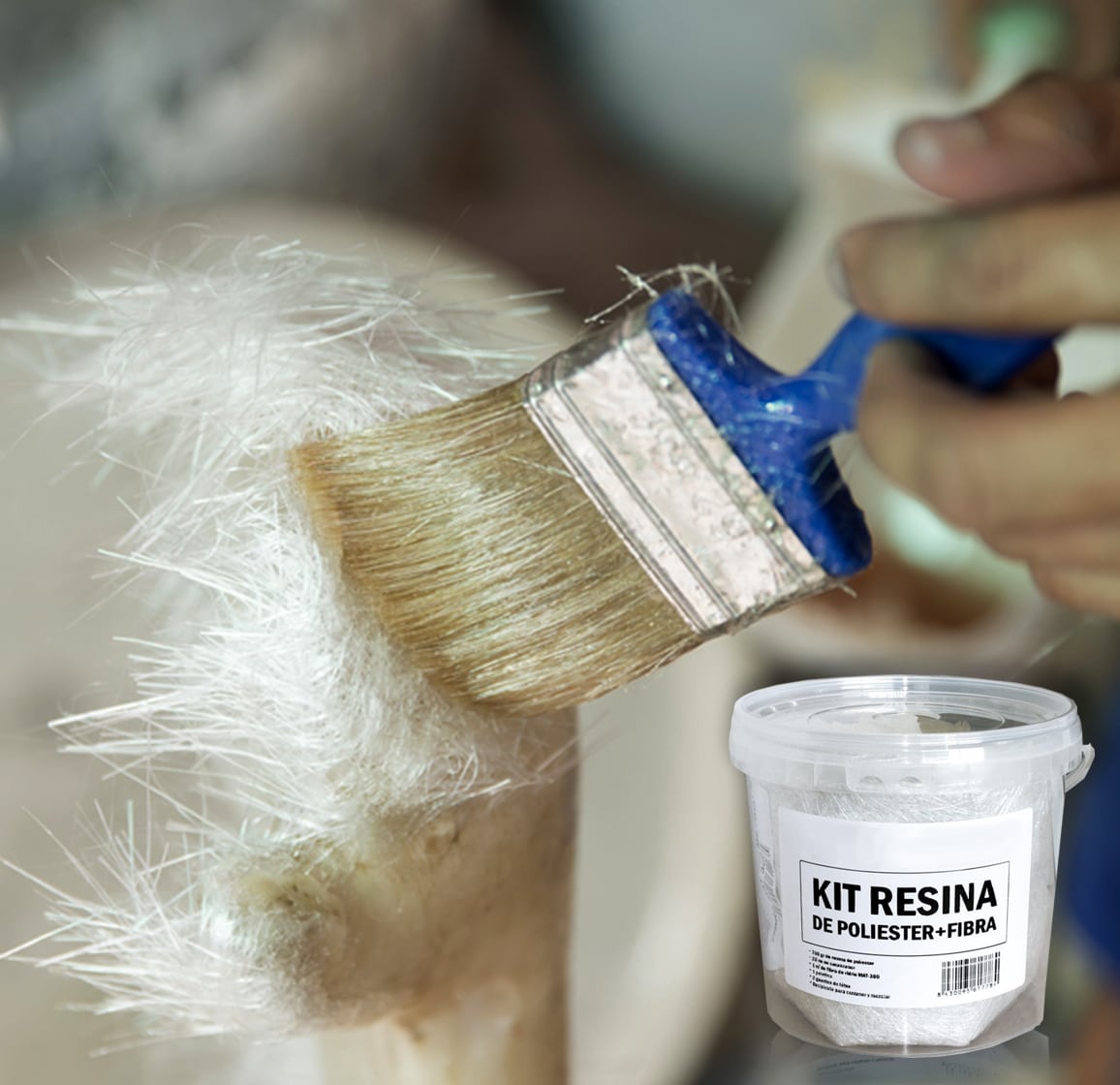
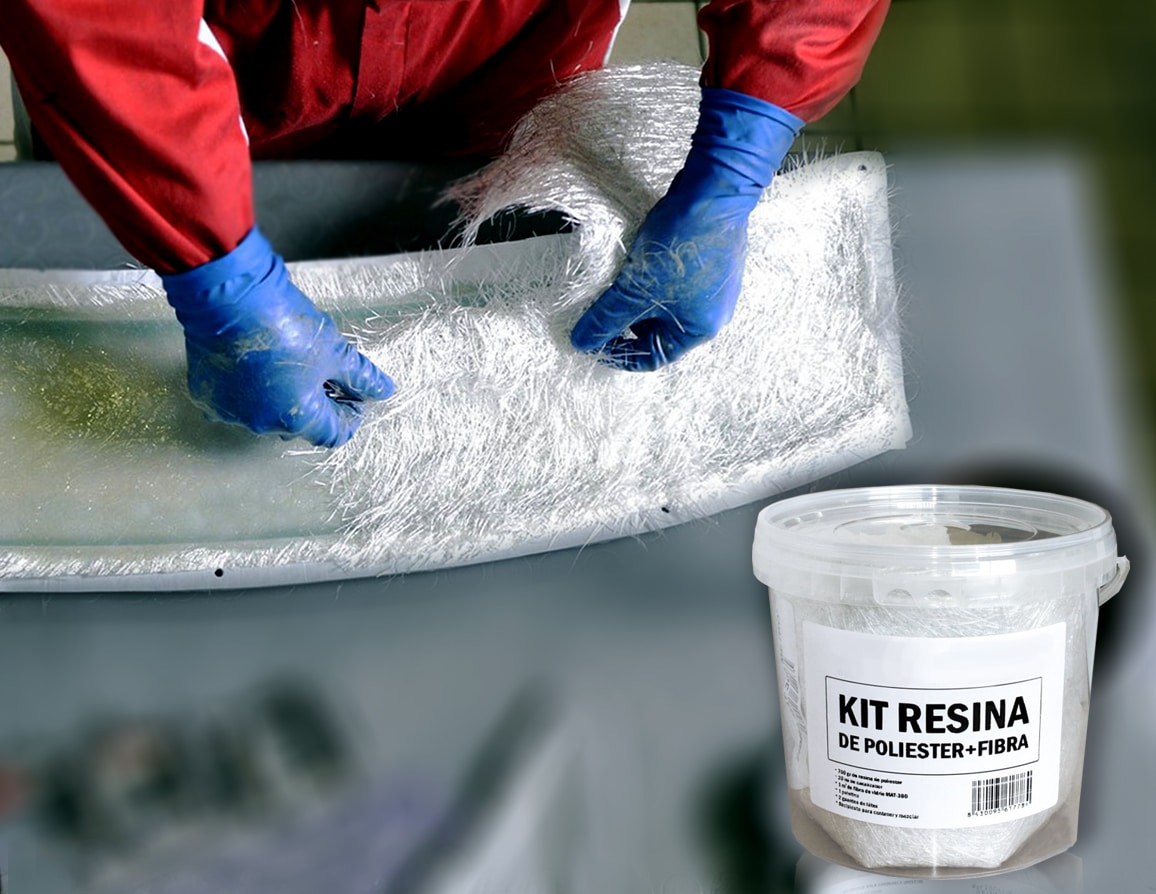
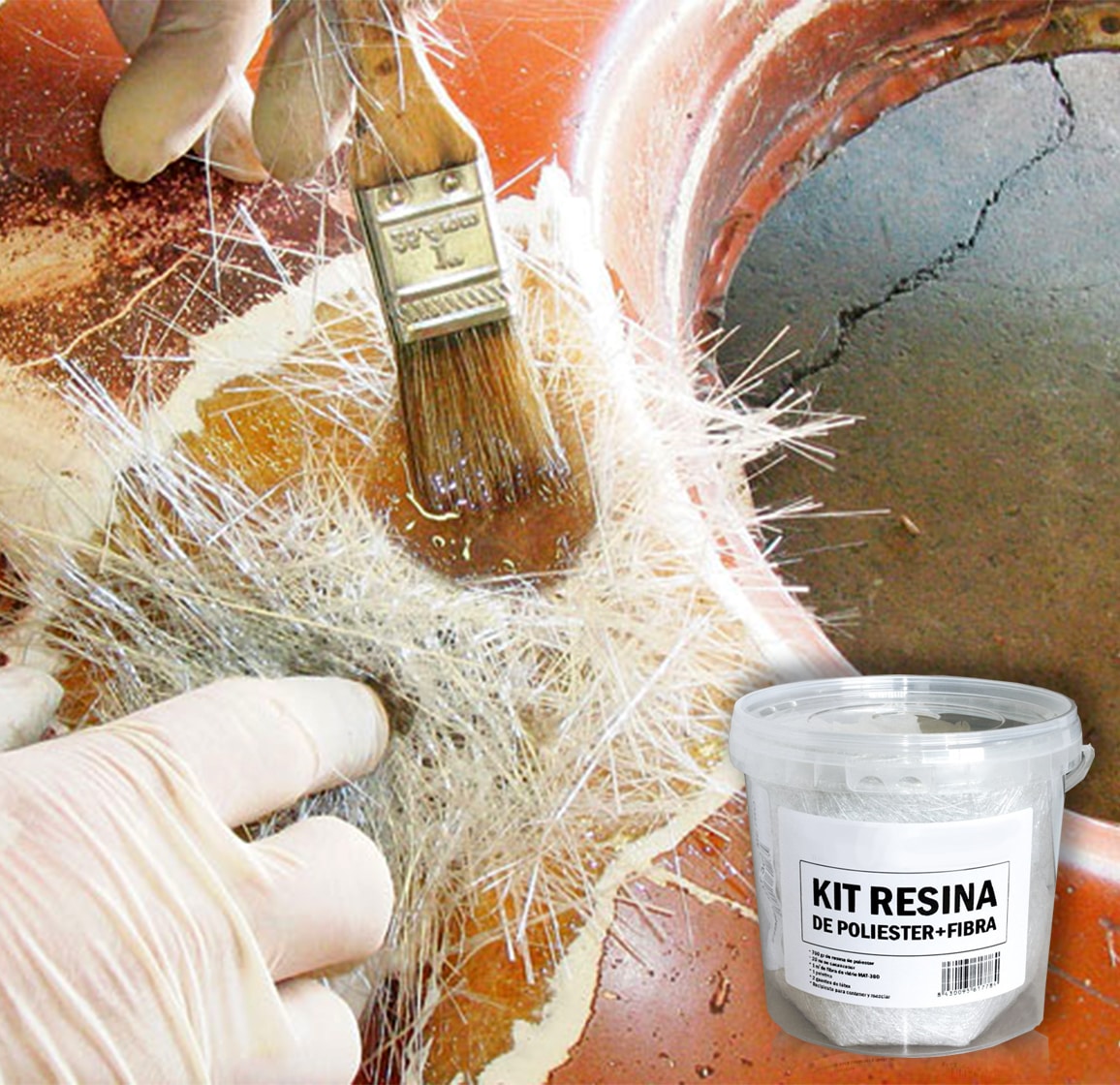
When working with composites—or overlaying fibreglass—thoroughly wet out the fabric with resin, smoothing with a brush to dispel any air bubbles. If using a ready-to-use kit for repairs, such as the Resin Fibreglass Repair Kit – Complete Polyester Resin and Hardener Set, follow its stepwise instructions to layer mat and resin effectively. For deep filling of cracks or cavities, a product like CROP 2K Fiberglass Putty – 750 ml + Hardener allows precise placement and shaping before cure.
Step 4: Allow Proper Curing
Once the reinforcement is in place—fabric saturated, putty applied, or resin poured—resist the temptation to disturb or load the structure prematurely. Each resin system has a stated cure time, and moving or sanding before full set can result in cracks, delamination, or impaired strength.
For room-temperature systems like “Carbon Resin” – Epoxy Resin for Carbon Fiber & Fiberglass Coating, ensure the workspace is controlled, free from dust, and maintains the temperature recommended by the resin manufacturer. Only proceed with finishing or additional layers once full cure is confirmed.
Tips, Common Mistakes, and Troubleshooting
Plan your reinforcement carefully—improper placement can undermine overall strength. Surface preparation is key, as poorly prepped areas can cause delamination or bubbles. Choose the right reinforcement method for your project: use composites for structure, putty for repair. Allow proper curing and avoid sanding or painting too quickly. If you notice soft spots or incomplete bonding, check if mix ratios and curing conditions were correct—improving ventilation or reapplying resin may be needed for repair.
Achieving Reliable Strength and Finish
Take your time during each step—from preparation to curing. Attention to detail ensures your reinforcement is strong, free from air pockets, and blends seamlessly with the original structure, providing lasting strength and a smooth finish.

- "Carbon Resin" – Epoxy Resin for Carbon Fiber & Fiberglass CoatingPrice range: £19.95 through £37.95Epoxy resin designed for carbon fibre and fibreglass offers reliable impregnation and durability with a professional finish, suited to reinforcement…
- Resin Fibreglass Repair Kit – Complete Polyester Resin and Hardener SetResin Fibreglass Repair Kit provides structural reinforcement with a polyester resin and fibreglass mat, suitable for various composite repairs.
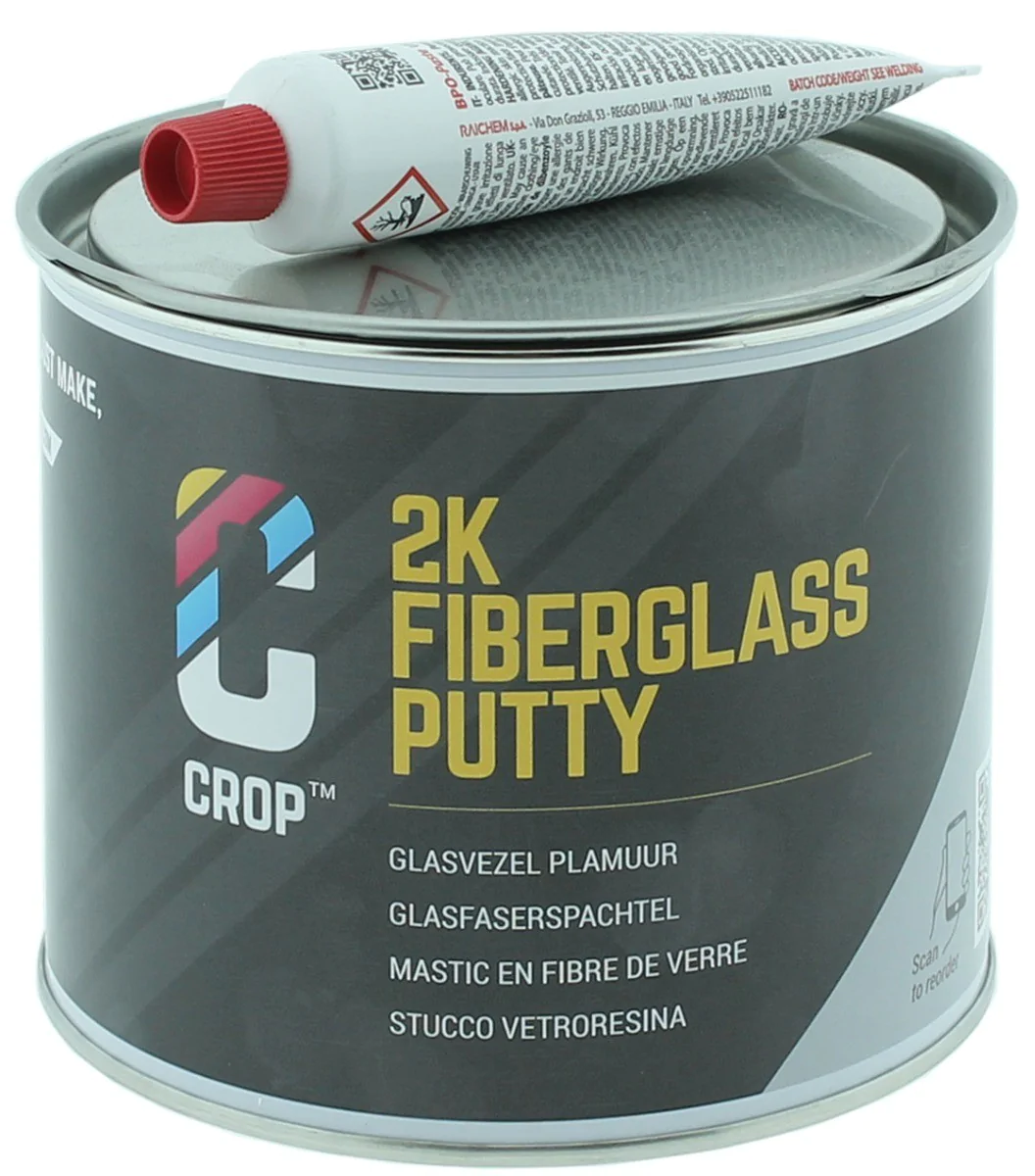 CROP 2K Fiberglass Putty – 750 ml + Hardener£15.85CROP 2K Fiberglass Putty offers a fibreglass-reinforced formula for strong, durable filling of cracks and dents, suitable for smoothing before…
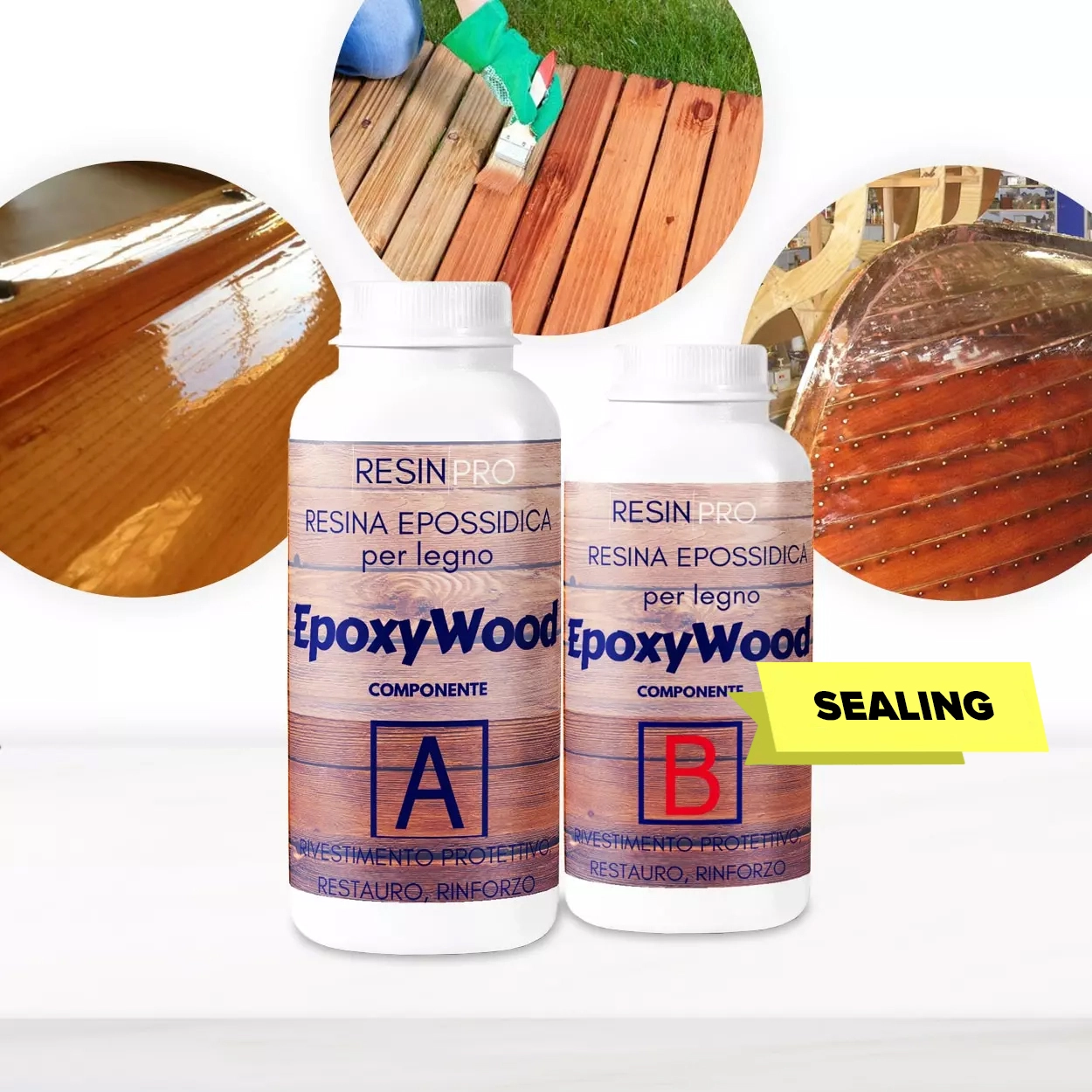 "EpoxyWood" – Wood Restoration Epoxy Resin for Deep Penetration and WaterproofingPrice range: £27.95 through £41.95"EpoxyWood" is designed to reinforce and waterproof wooden surfaces with deep penetration, suitable for wood restoration projects.
Frequently Asked Questions
Which resin is best for reinforcing composite structures?
Epoxy resin designed for carbon fibre or fibreglass, such as a specialised carbon resin, ensures optimal bonding and durability.
Can I reinforce wooden sections inside resin structures?
Yes, a wood restoration epoxy resin deeply penetrates and waterproofs wooden areas, strengthening them from within.
Should I use fibreglass mat or fibreglass-reinforced putty for repairs?
Use fibreglass mat for area reinforcement and putty for targeted filling of cracks or dents.
Do I need heat to cure my reinforcement resin?
Many resin systems cure at room temperature, but always follow the product's instructions for the best results.
How can I prevent bubbles when reinforcing with resin and fabric?
Saturate fabric thoroughly and work out air bubbles with a brush for a smooth finish.
When can I sand or paint over a reinforced resin structure?
Wait for the resin or putty to cure fully—rushing the process can affect the performance and finish.