 Free shipping on orders over £29,85
  Shipping Tracking!


 Google
 Facebook
← Back to How to remove epoxy resin from tiled wall?


Wondering if you can safely use a technical degreaser on the tiles in your kitchen or bathroom? Choosing the right cleaner is essential to keep tiled surfaces looking their best without causing any damage.
Are Degreasers Safe for Tiles?
Most kitchen and bathroom tiles, such as ceramic or porcelain, handle cleaning well with a natural formula degreaser. These degreasers, especially those made with plant-based ingredients, are specifically designed to lift away grease and residues without being harsh. For day-to-day messes and the occasional tougher spot, a natural technical degreaser works gently yet effectively, making it a sensible choice for homes with frequent spills or splashes.
How to Use a Technical Degreaser on Tiles
- Preparation: Sweep or wipe the tiled area to remove loose debris before spraying the degreaser.
- Application: Spray a natural degreaser, like the Strong Technical Degreaser, directly onto the tile surface.
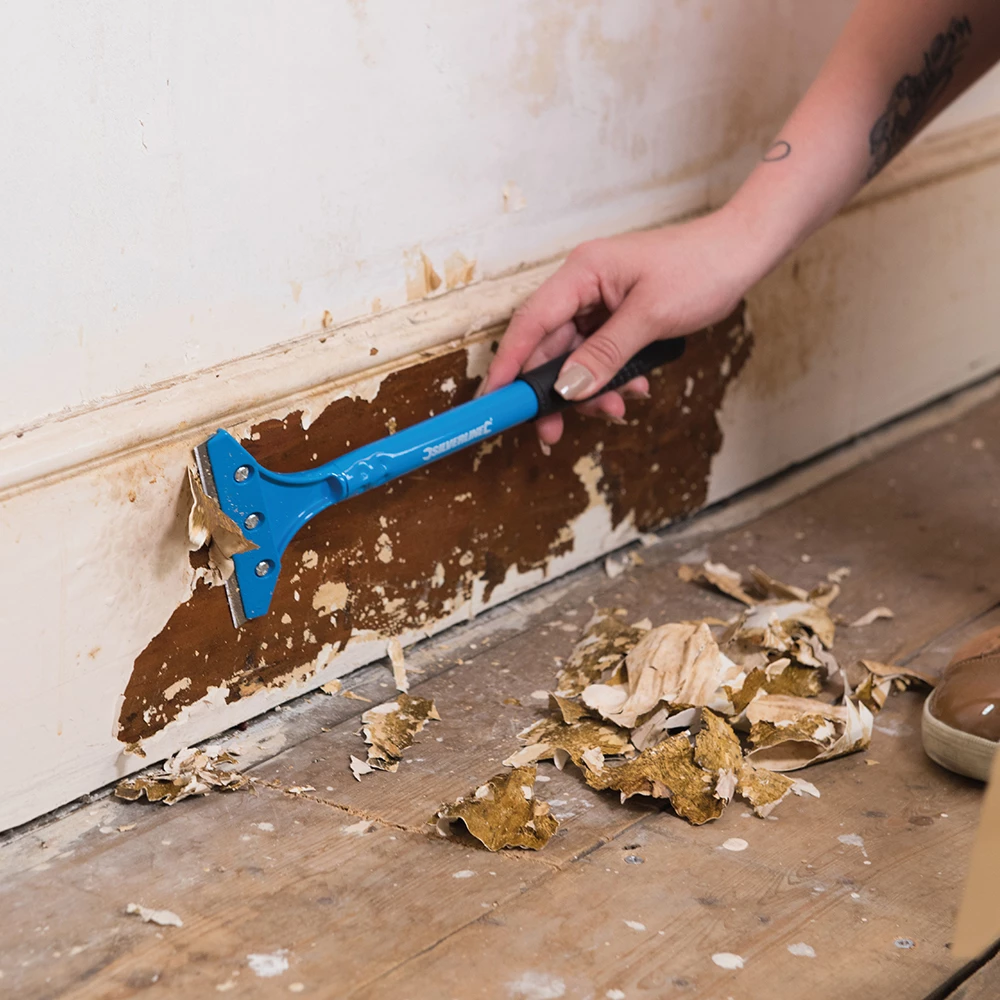
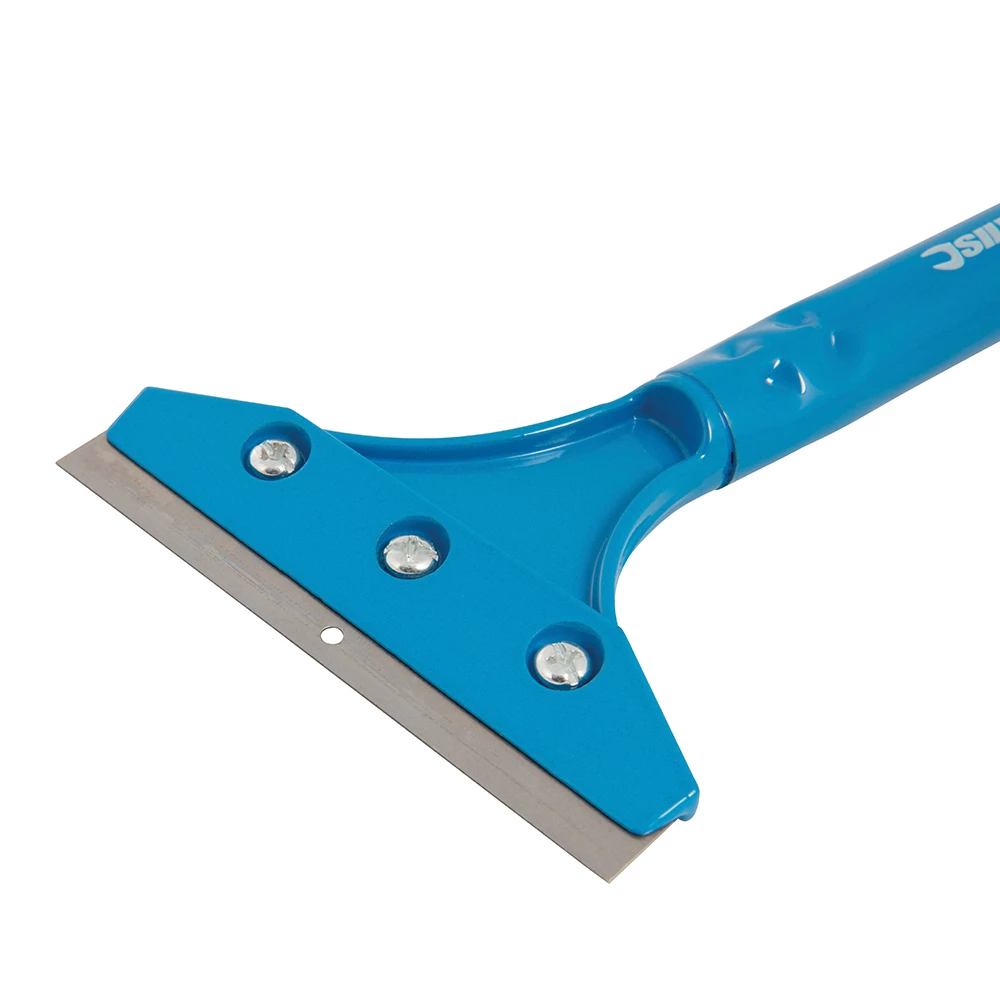
- Cleaning: Allow it to sit briefly, then wipe with a damp cloth for everyday grime. For stubborn spots such as resin residues, you may need to repeat the process or combine it with careful mechanical scraping using a safe scraper.
Avoid using harsh chemical degreasers on delicate or decorative tiles, as these could cause surface dulling over time.
When This Matters
If you are removing greasy residues, soap scum, or light stains from standard ceramic or porcelain tiles, a natural degreaser is both safe and effective. However, if your tiles are made of more sensitive materials, such as natural stone, always test a small area first or consult surface-specific cleaning guidance.
Related products
Related guides
Choosing a gentle, natural technical degreaser can help you maintain kitchen and bathroom tiles with confidence. For more in-depth cleaning or guidance on resin residue removal, see our main advice on removing epoxy resin from tiled walls.