 Free shipping on orders over £29,85
  Shipping Tracking!


 Google
 Facebook
← Back to How do you create bubbles in resin?
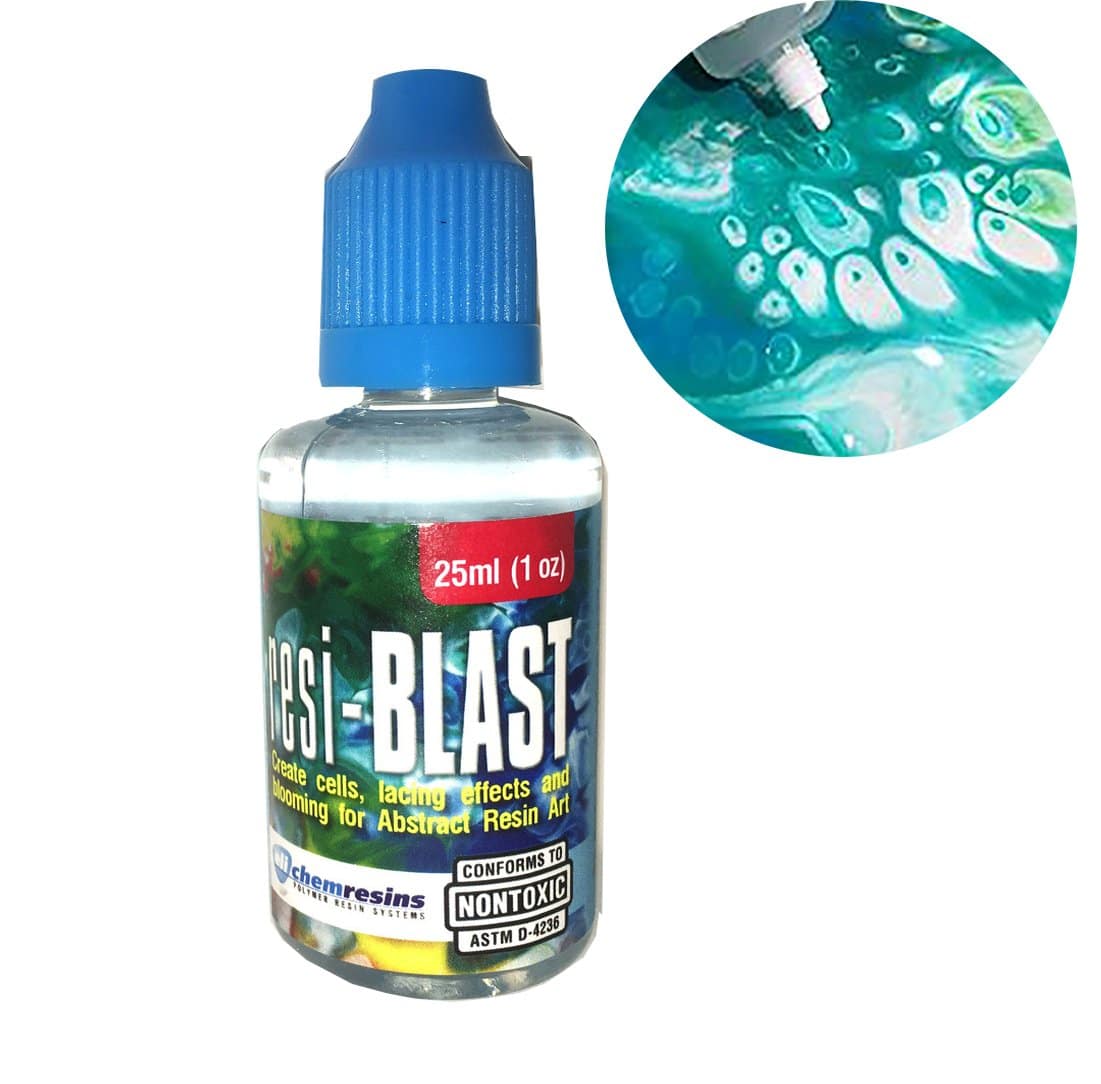
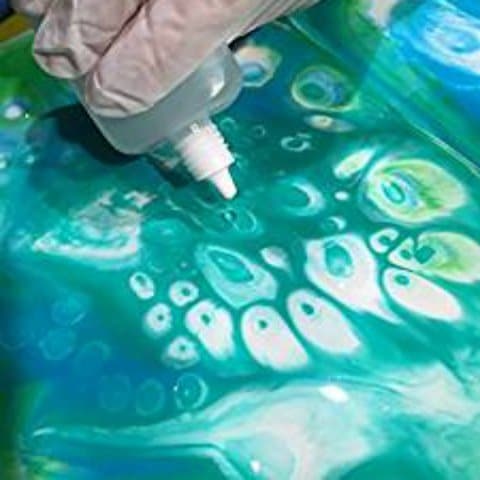
Layering resin is key to achieving dramatic and eye-catching effects—think cells, bubbles, and depth in your artwork. This guide reveals how to use layers to add unique character and interest to your resin projects.
Why Layering Matters in Resin Art
Layering is essential for building up dimensional effects in resin. By pouring resin in stages, you can create visual depth, encapsulate objects, and separate colours or additives for more vivid designs. Each layer can react with others, opening up endless creative possibilities.
- Establish base layers for background hues
- Add decorative details or inclusions in upper layers
- Use clear layers to protect and enhance your artwork
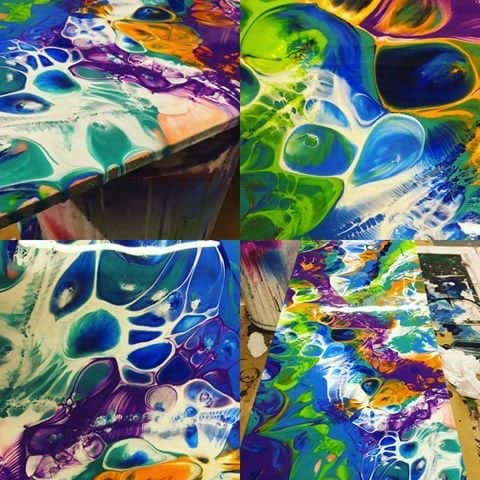
Techniques for Striking Results
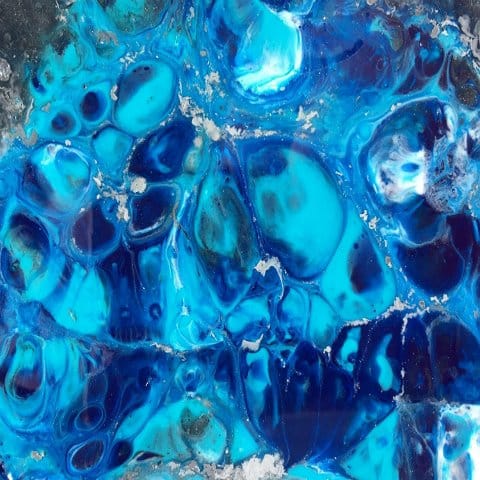
Start by pouring a simple coloured or clear layer and let it cure partially. Apply subsequent layers as the previous one reaches a tacky stage for optimal adhesion and the chance to manipulate effects. Introducing cell effect additives, such as Resi-Blast, between pours can encourage blooming patterns and natural-looking cells. For ocean-style pieces, use a thick resin and specific additives to mimic foamy waves, as featured in ocean art kits.
Tips for Practical Layering
Work in a dust-free area and plan your colour placement before starting. Mixing small batches helps prevent waste and allows fine-tuning effects for each stage. If aiming for striking wave or bubble looks, refer to comprehensive kits or classes designed for these effects—some provide everything you need, from resin to additives and pigments.

When Layering Techniques Matter Most
Layering is especially important when creating functional art like coasters, trays, and bowls, or when building vivid landscapes and ocean scenes. It enables intricate effects that a single pour simply cannot achieve.
Related products
Related guides
Mastering layering unlocks a new world of creative expression in resin art. For more inspiration or to explore bubble and cell techniques, visit our main guide on creating bubbles in resin.