 Free shipping on orders over £29,85
  Shipping Tracking!


 Google
 Facebook
← Back to How to resurface a bathtub?

Patience is essential when resurfacing a bathtub, especially during the curing and sanding stages. Rushing these steps can quickly ruin your hard work, leading to a less durable or poor-quality finish. Here’s why taking your time pays off and how to approach each stage.
Why Curing and Sanding Are So Important
After applying a new coating or repair resin, the curing period allows the material to harden and reach full strength. If you try sanding or using the tub too soon, the surface may be soft, sticky, or prone to scratches, resulting in an uneven appearance or weakened structure. Proper sanding, once the material is set, ensures a smooth, even surface that both looks good and stands up to daily use.
How to Tackle Sanding for Best Results
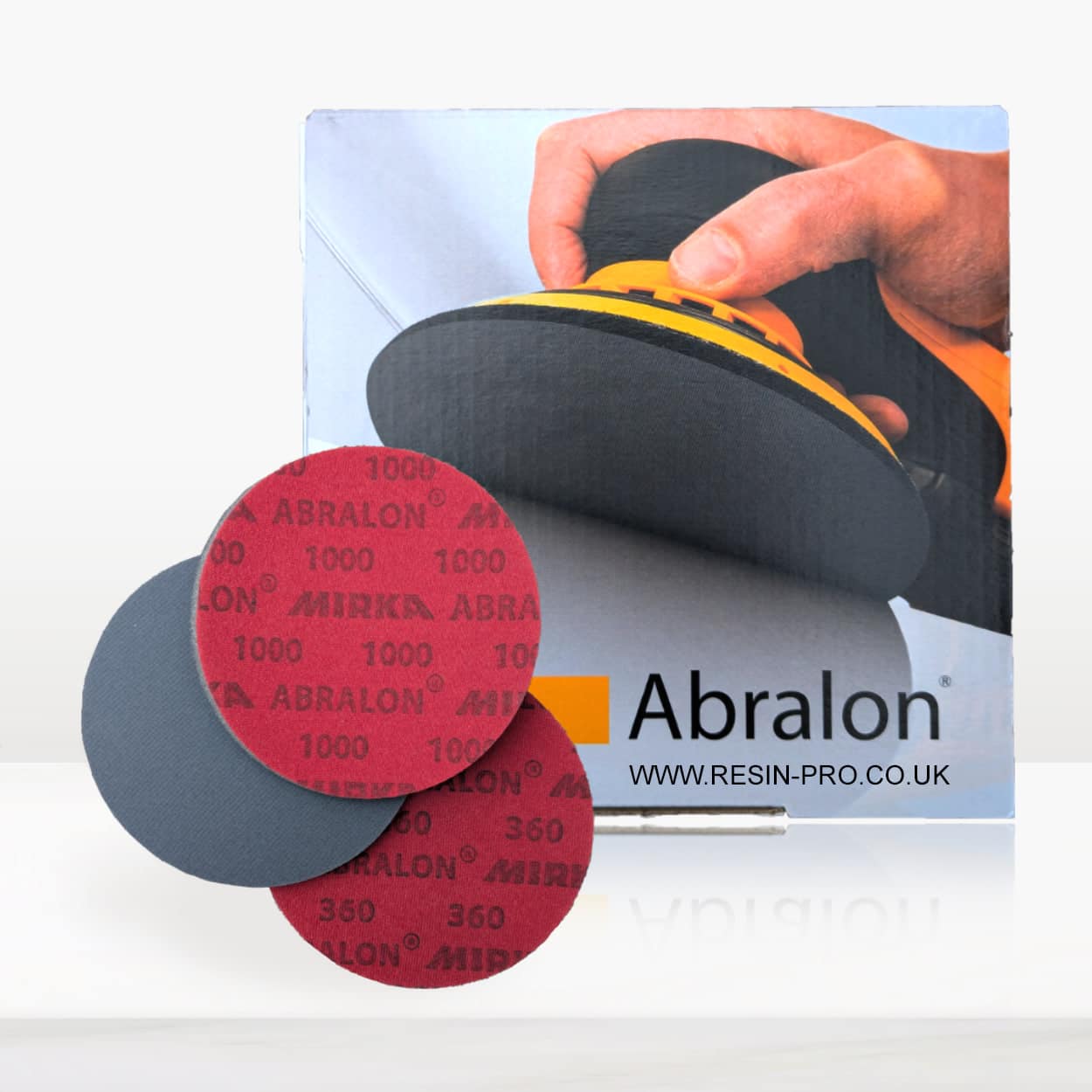
Once the coating has completely cured, use a progressive approach to sanding. Start with coarser grits and gradually move to finer ones—products such as the “Ebonite Abralon” Sanding Pads are useful for this, offering a range of grits for each stage. Be sure to sand thoroughly between each grit, removing dust before progressing. For glossy results, finish with a suitable polishing paste to achieve a professional look.
When Taking Your Time Matters Most
Rushing is most likely to cause problems during colder weather (when cure times are extended), or if you’re aiming for a high-gloss, blemish-free finish. Projects involving thicker resin layers or multiple coats particularly benefit from disciplined waiting and sanding schedules.
Related products
Related guides
By allowing adequate curing and taking care with sanding, you’ll achieve a bathtub surface that’s both attractive and robust. For a detailed overview of the full resurfacing process, see our bathtub resurfacing guide.