 Free shipping on orders over £29,85
  Shipping Tracking!


 Google
 Facebook
← Back to What happens to epoxy resin in the freezer?


Applying epoxy resin in chilly garages or sheds might seem convenient, but cold conditions can have a significant impact on your project’s outcome. Understanding the risks ensures a superior, long-lasting finish.
How Cold Temperatures Affect Epoxy Resin
Epoxy resin is sensitive to temperature changes. When applied in areas that are too cold, such as unheated garages or outdoor sheds during winter, the curing process slows down dramatically. This can lead to tackiness and extend the time required for the resin to fully harden. Worse still, cold environments encourage surface imperfections like amine blush (a greasy or sticky residue) and cloudy or uneven finishes, which can spoil the clarity that makes epoxy so popular.

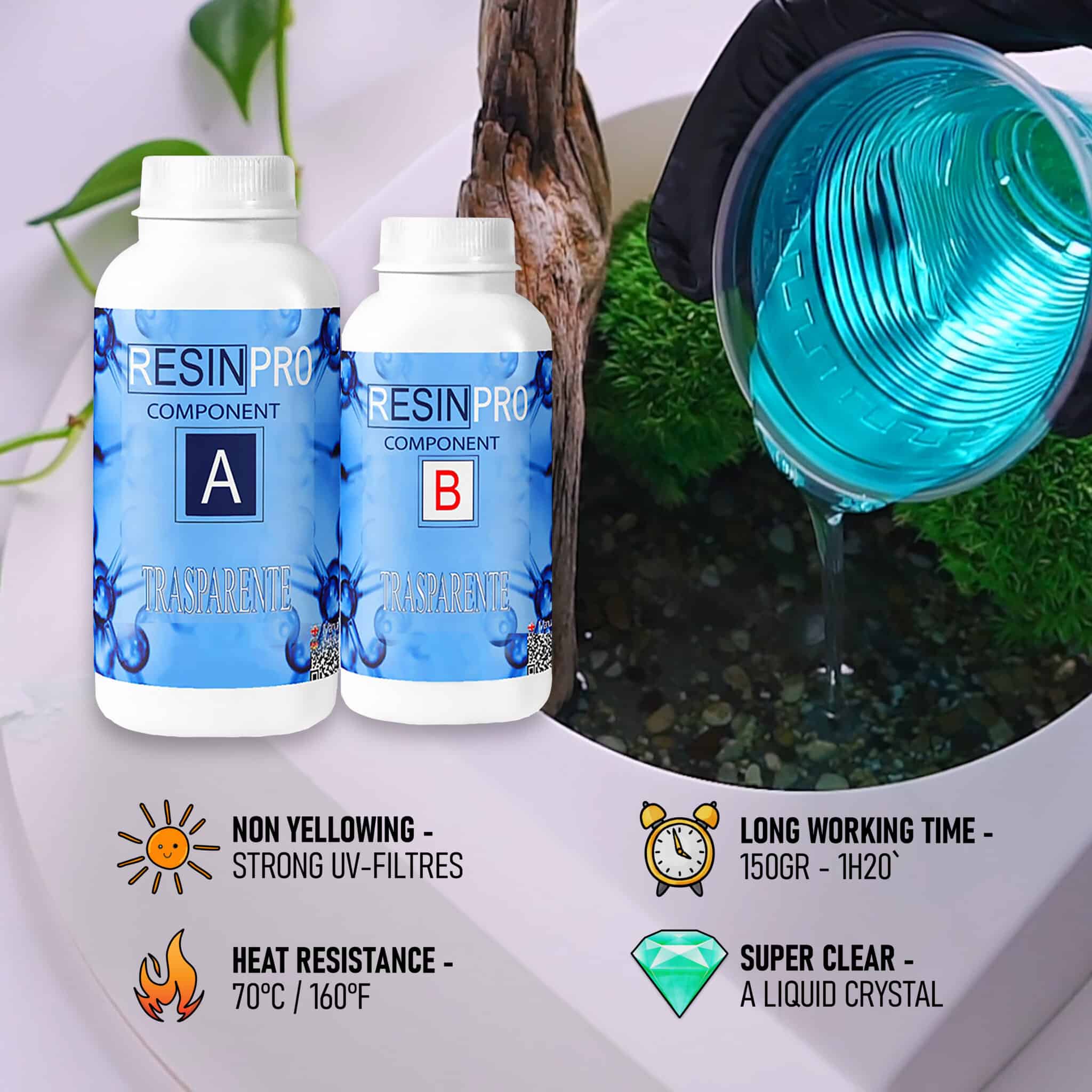
Best Practice: Application Environment
For reliable results, always apply epoxy resin at room temperature—typically between 18°C and 25°C. If your working space is cold, try warming it up with a heater ahead of time or consider moving your project indoors. Attempting to force a cure in chilly conditions will almost always result in subpar outcomes, affecting both appearance and durability. If your workspace is naturally cool, products like the “Trasparente” Epoxy Resin Kit still require suitable temperatures for best performance.
When This Matters
- Projects with large surface areas or deep pours are particularly at risk in low temperatures.
- Seasonal changes may mean your usual workspace is colder than expected—consider temperature before every pour.
- Finishes expected to be crystal clear or glossy highlight any imperfections caused by delayed curing or blushing.

Related products
Related guides
To guarantee your epoxy resin projects turn out as intended, keep your working environment within the recommended temperature range. For more on how resin behaves in challenging conditions, see our main guide on What happens to epoxy resin in the freezer?.