 Free shipping on orders over £29,85
  Shipping Tracking!


 Google
 Facebook
← Back to What happens to epoxy resin in the freezer?
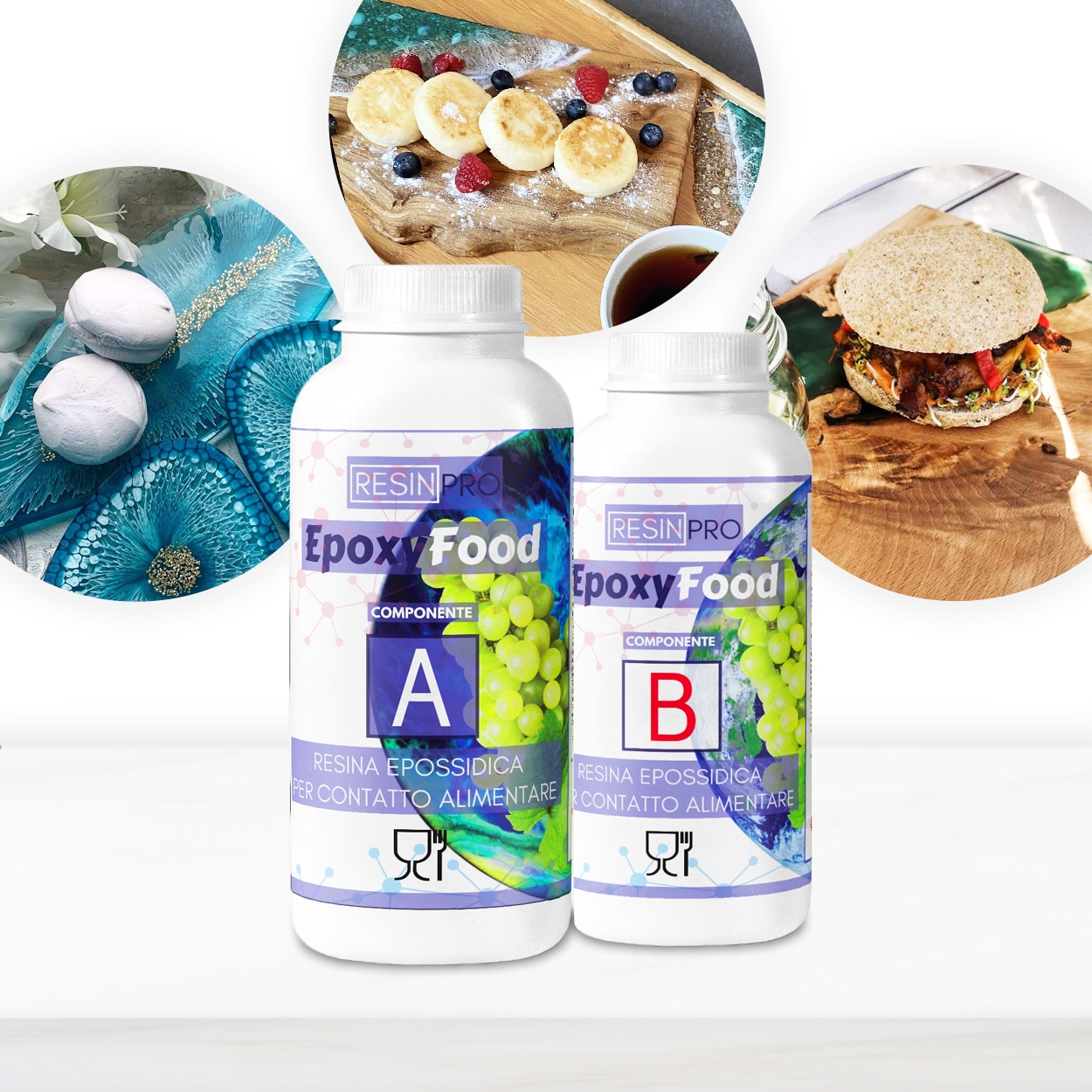

If you’re looking to craft or coat items for kitchen use, ensuring your epoxy resin is certified food safe is essential. Not all resins are suitable for contact with food, particularly when cold snacks and drinks are involved. Here’s what you need to know to make the right choice for safe, stylish results.
What Does Food Safety Certification Mean for Epoxy Resin?
Food safety certification for epoxy resin confirms that the cured product has been independently verified to comply with European standards for contact with food. Specifically, resins such as EpoxyFood are certified for both solid and liquid contact, including cold snacks and non-alcoholic beverages, when properly mixed and fully cured without any non-approved additives or dyes. This means you can safely use coated plates, fruit bowls, and cutting boards for serving cold foods with confidence.
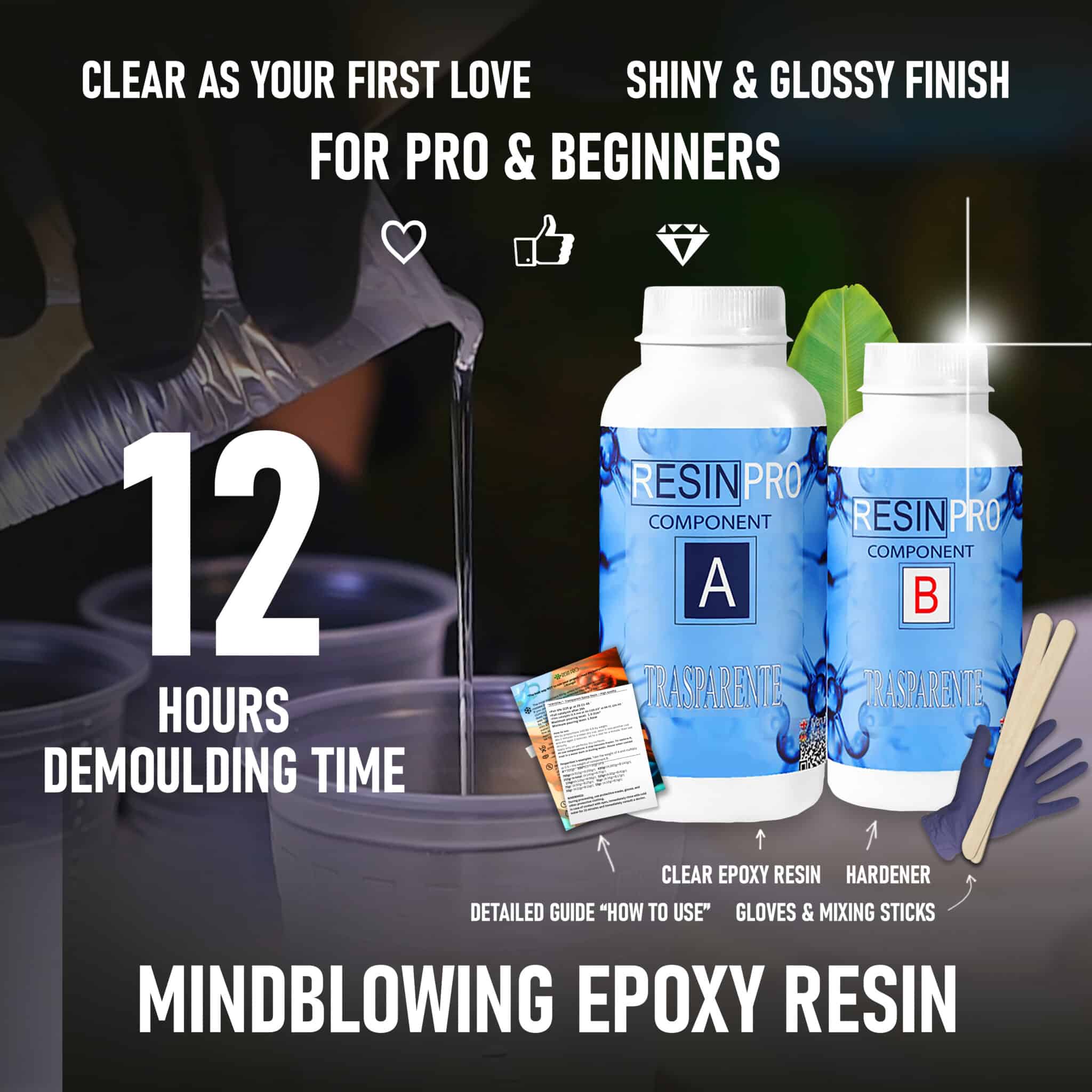

How to Use Food Safe Epoxy Resin for Coating Kitchenware
When applying food safe epoxy resin, always follow the manufacturer’s instructions for mixing ratios and cure times. It is crucial to ensure the surface is clean and dry before application, and to allow the resin to cure completely—usually within 24–48 hours depending on conditions. Avoid adding unauthorised pigments or additives, which may compromise safety. The result is a clear, hard-wearing coating, great for functional and decorative kitchen pieces.
When Food Safety Matters Most
- Coating surfaces that will touch food, especially plates and cutting boards
- Creating fruit bowls or decorative items intended for cold snack service
- Crafting or restoring kitchen items to be both beautiful and reliably safe
Related products
Related guides
Choosing an epoxy resin with proper food safety certification gives you peace of mind for any kitchen or dining project involving cold snacks. To explore more options and advice about epoxy resin in different conditions, visit our main guide on epoxy resin and cold storage.