 Free shipping on orders over £29,85
  Shipping Tracking!


 Google
 Facebook
← Back to What happens to epoxy resin in the freezer?
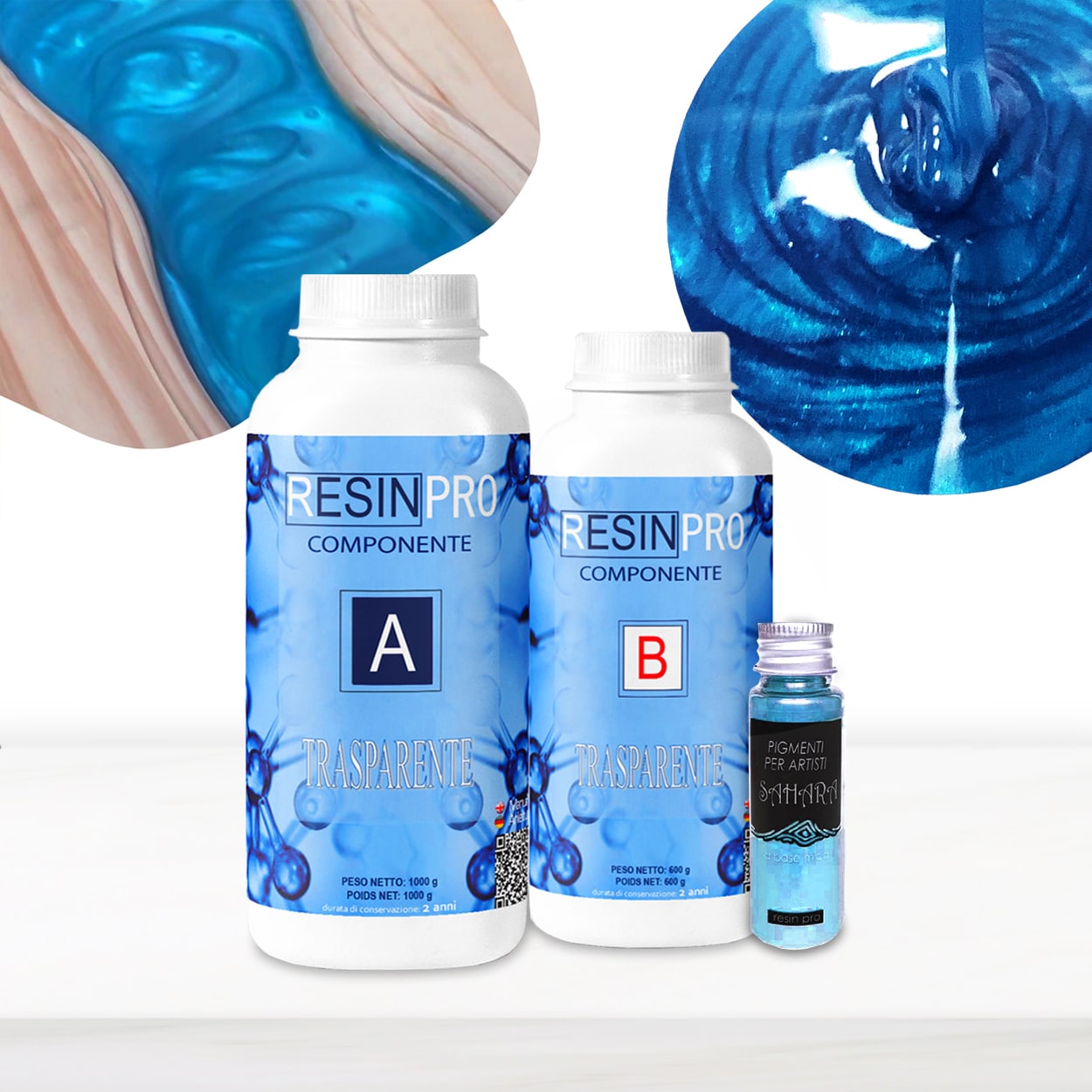
If you want your resin projects to look pristine for years, high scratch resistance and UV protection are two crucial qualities to consider. Understanding their importance helps ensure a long-lasting finish whether you’re creating wooden tables, functional surfaces or artistic castings.
Why Scratch Resistance and UV Protection Matter
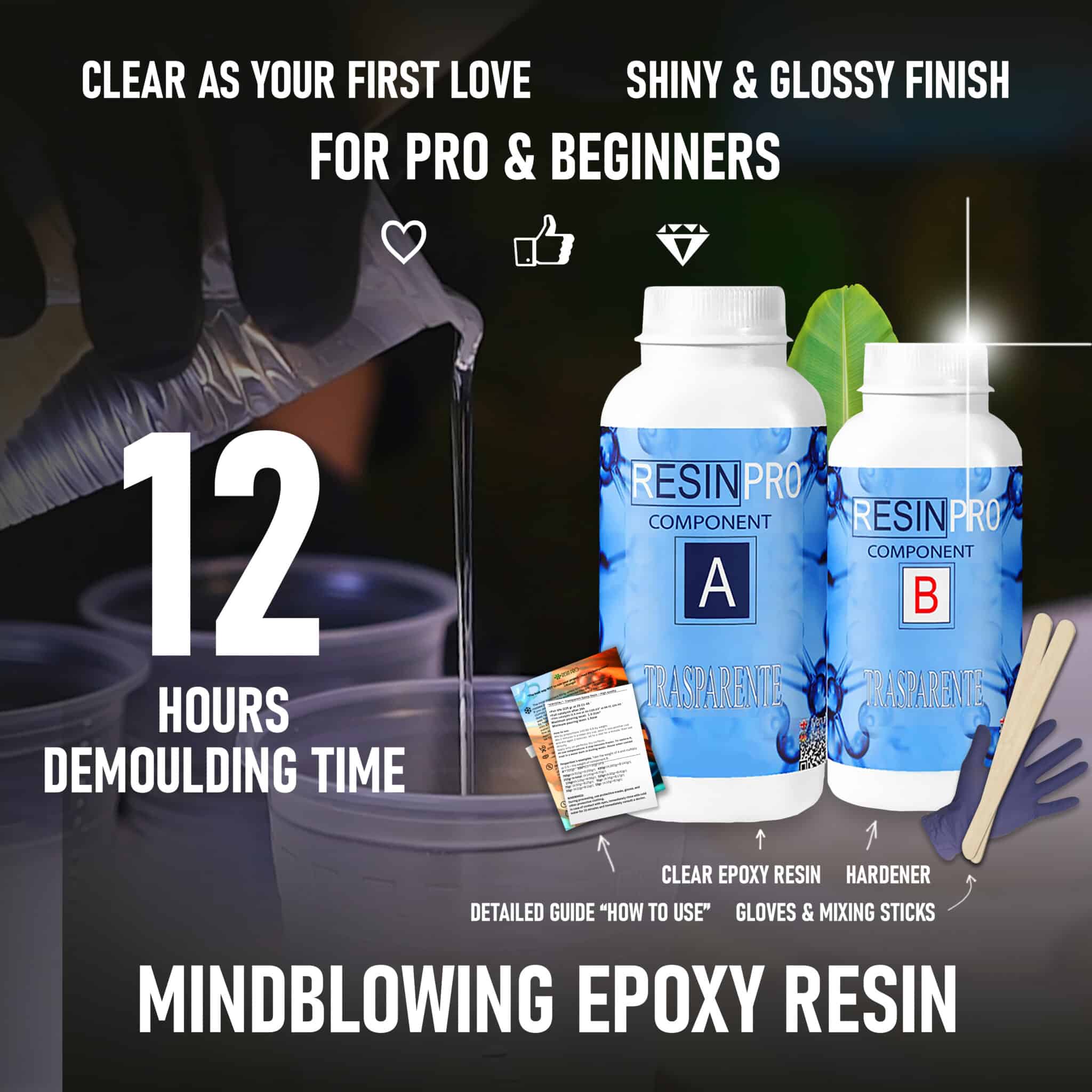
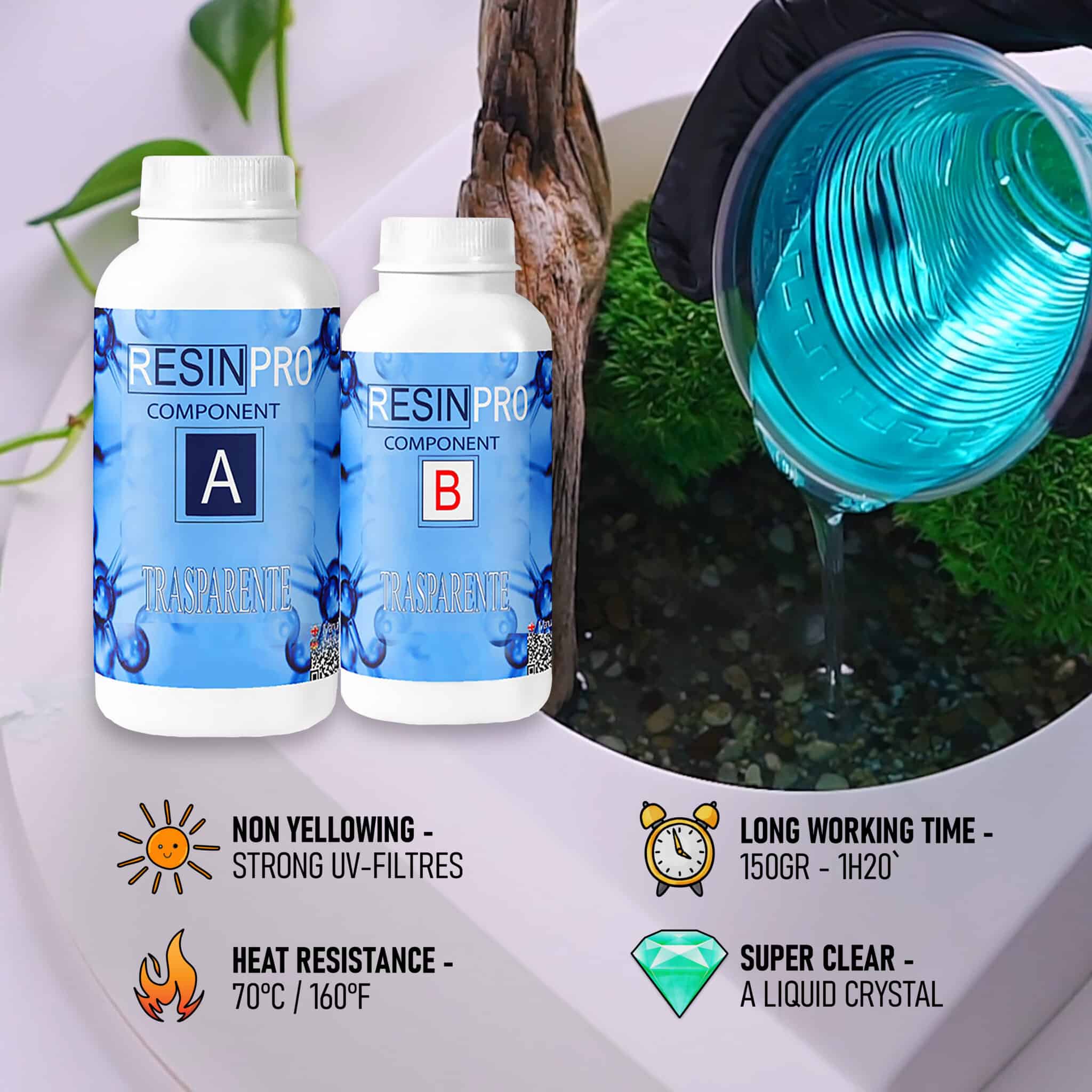
Epoxy resins are frequently used for surfaces subject to daily wear, such as tables or decorative pieces. A resin with high scratch resistance will help maintain a clear, glossy finish despite regular use or accidental abrasions. Equally, UV protection reduces the chance of yellowing over time—an issue common with clear resins exposed to sunlight or indoor lighting. Some high-quality products, like the “Trasparente” Epoxy Resin Kit 800g + Mica Powder 10g, are formulated with a built-in UV filter for long-term clarity.

Selecting the Right Resin for Your Project
When choosing an epoxy resin, look for a formula that specifically lists scratch resistance and UV protection. These features are particularly important for exposed surfaces and for artistic or woodworking projects where clarity matters most. Options such as “Trasparente” and “Icrystal” resins offer scratch-resistant, self-levelling finishes with integrated UV protection, making them well suited to tables, floors, and decorative applications. Always check product descriptions and mixing instructions for the best results.
When This Matters Most
- Dining and coffee tables: Frequent contact and exposure to light put finishes at risk of scratching and yellowing.
- Functional art and jewellery: High clarity and protection preserve appearance and value over time.
- Restoration projects: Maintaining original beauty is much easier with durable, UV-resistant coatings.
Related products
Related guides
Choosing a resin that resists scratches and UV-induced yellowing ensures your creative projects remain bright and clear for years. To explore other aspects of resin performance—like how it reacts to temperature changes—be sure to visit our main guide on what happens to epoxy resin in the freezer.