 Free shipping on orders over £29,85
  Shipping Tracking!


 Google
 Facebook
← Back to Can resin be painted on wenge furniture?
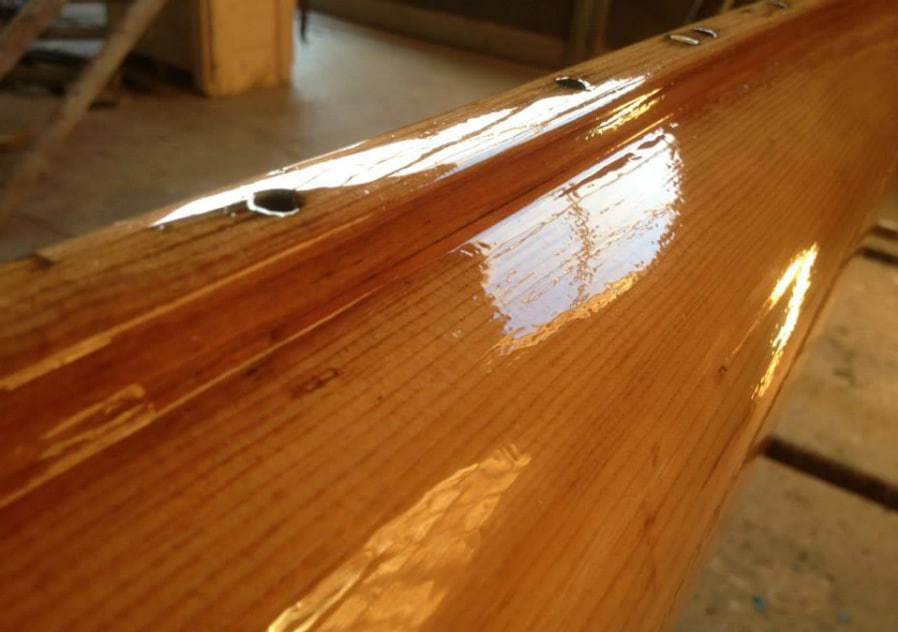
Proper surface preparation is the foundation of a flawless resin-coated finish on wenge wood. By following a careful prep process, you can boost adhesion and enhance the final appearance of your piece.
Step-by-Step: Surface Preparation Essentials
- Cleaning: Begin by removing any wax, grease, dust, or old finishes. Wipe the surface thoroughly using a lint-free cloth.
- Drying: Wenge must be completely dry. Leave the wood in a dry environment for at least 24 hours if needed, as moisture can cause problems with resin bonding.
- Sanding: Use progressively finer grit sandpaper (typically finishing with 180–240 grit) for a smooth, even base. Always sand in the direction of the grain.
Well-prepared wenge will allow epoxy resin to seep into the pores, maximising strength and clarity.


Choosing the Right Resin for Wenge Wood
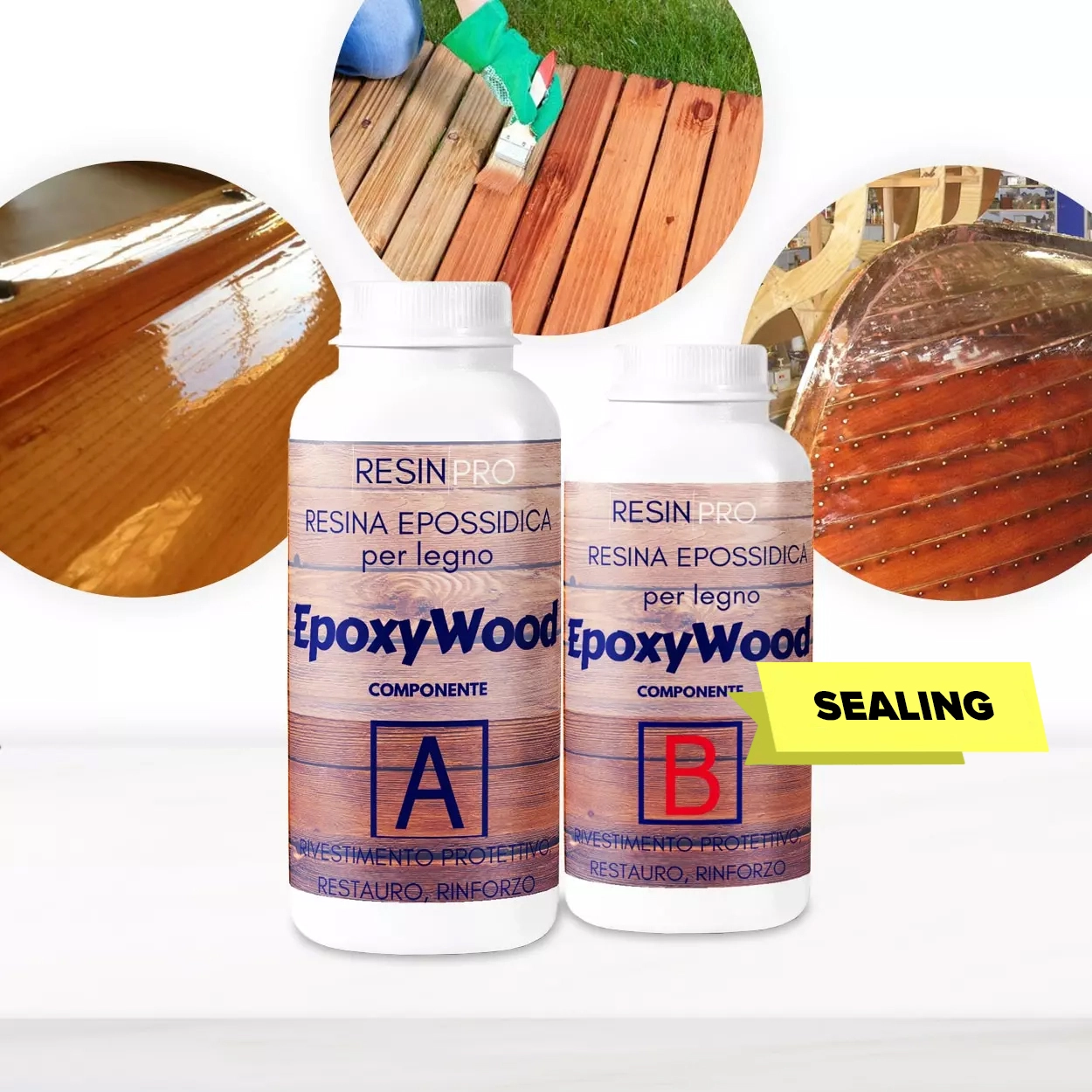
Your choice of epoxy resin depends on your project. For deep restoration or waterproofing on wenge, EpoxyWood is specifically formulated to reinforce and seal wooden surfaces. For a glossy, clear finish ideal for tables or decorative pieces, “Trasparente” and “Art Pro” are excellent options, offering high clarity and reliable scratch resistance.
When This Matters
Getting the prep right is particularly important for resin river tables, high-wear furniture, and any pieces where a durable, even finish is a priority. Skipping these steps risks poor adhesion and uneven surfaces.

Related products
Related guides
By taking care with cleaning, drying, and sanding, you give your wenge furniture the strongest foundation for any resin application. To learn more about resins for exotic woods, visit our main guide on painting resin on wenge furniture.