 Free shipping on orders over £29,85
  Shipping Tracking!


 Google
 Facebook
← Back to How do you use resin on plastered walls?
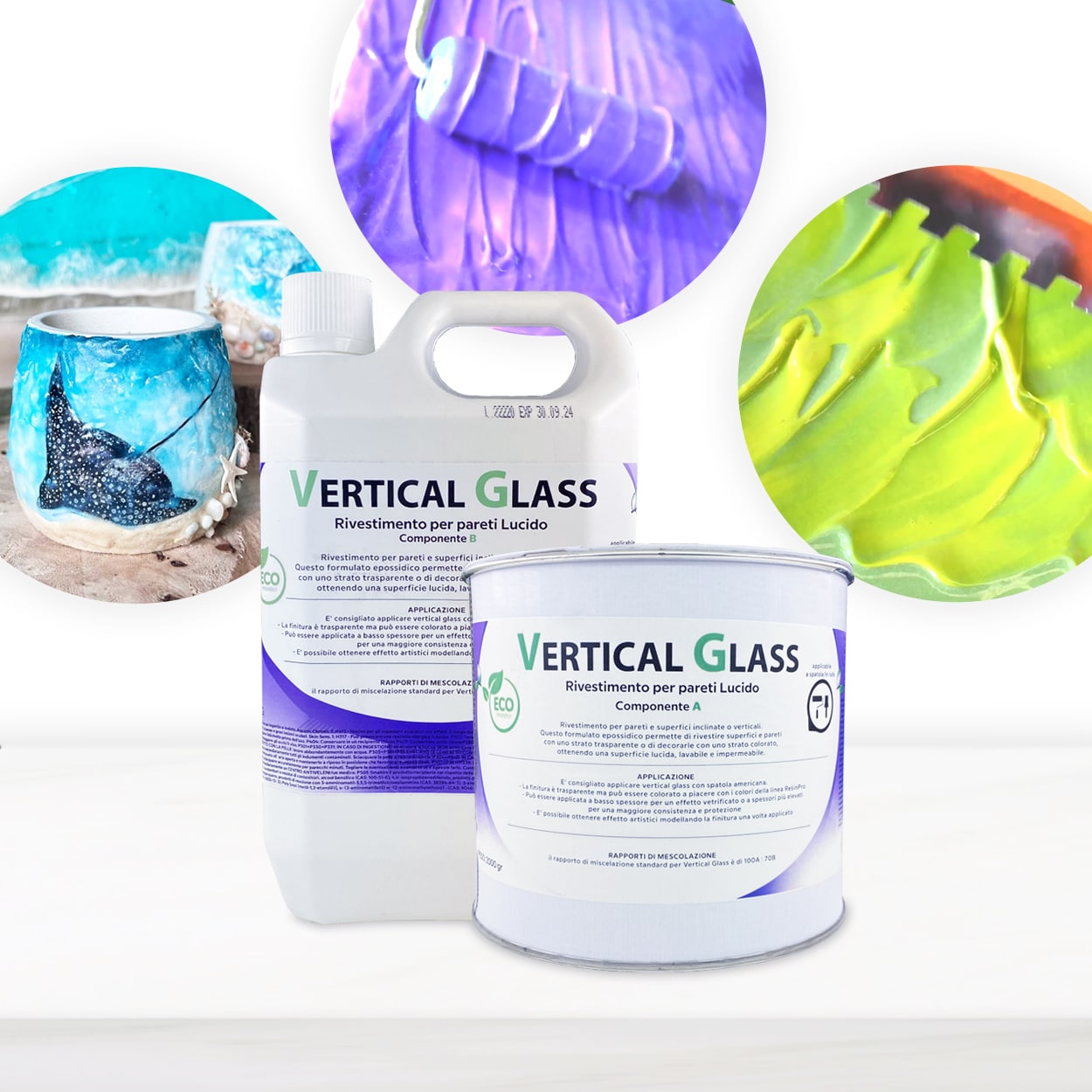
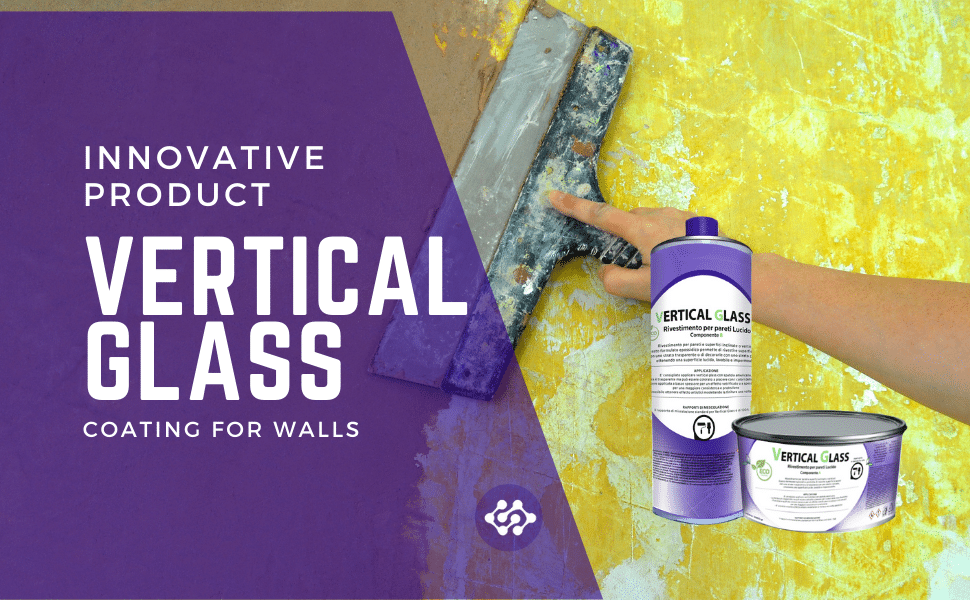
Applying resin to newly plastered walls can transform any space with a seamless, glossy finish. For best results, timing is key—correct preparation ensures strong adhesion and a long-lasting look.
Why Wall Curing Time Matters
Before using any resin on freshly plastered walls, it’s crucial that the plaster is completely dry and thoroughly cured. If there’s lingering moisture, the resin may not bond properly, leading to peeling, cloudiness, or surface imperfections. Plaster drying time varies, but a full cure typically takes a few weeks—densely applied or skimmed plasters may need even longer. Always test for dryness: tape a sheet of clear plastic to the wall overnight, and check for condensation the next day—any sign of damp means you’ll need to wait longer.
Surface Preparation and Suitable Products
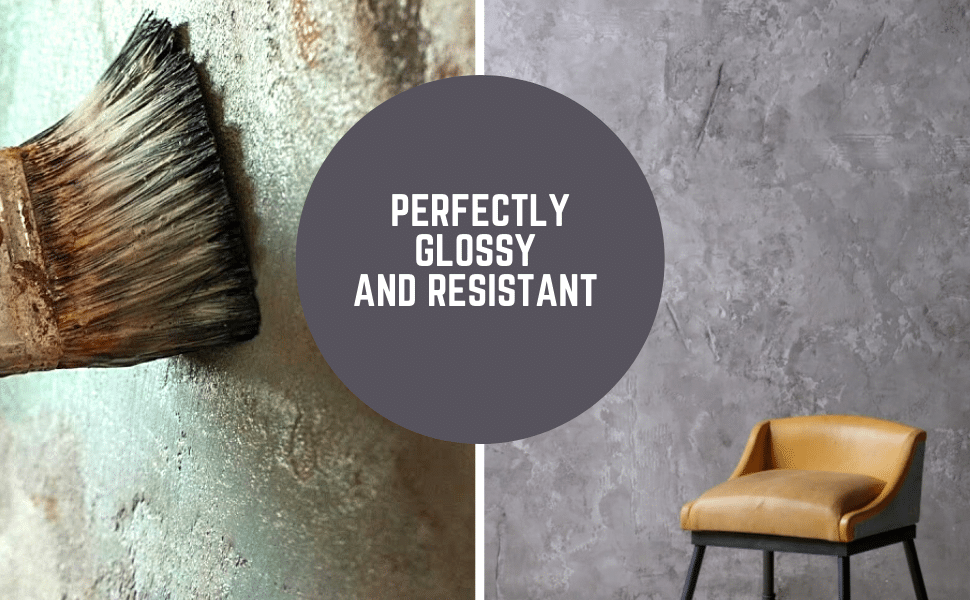
Once the wall is dry, careful surface prep makes a world of difference. Brush away dust and fill any visible cracks or holes. Applying a primer formulated for plastered surfaces can further aid resin adhesion. Choose a resin specifically designed for vertical applications, such as the “Vertical Glass” – Thick Resin Decorative Wall Coating, which is tailored to bond with tiles, bricks, cement, and plastered walls. Application with a spatula or with specialised rollers helps achieve a smooth, consistent layer. Aim for thin coats to prevent drips or sags, especially on vertical areas.
When This Matters Most
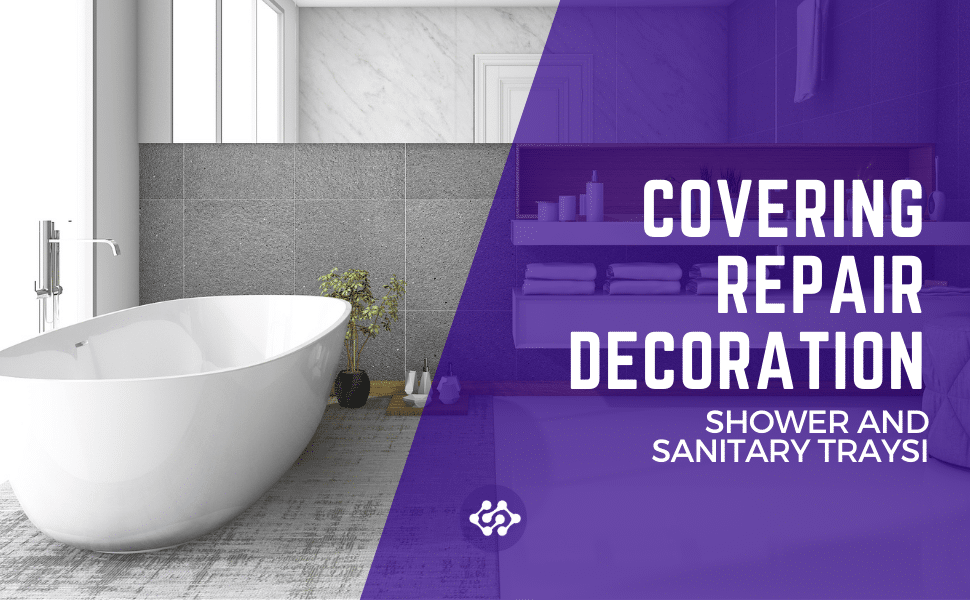
Careful timing and preparation are especially important in kitchens, bathrooms or high-humidity areas, where moisture resistance is vital. Using the right resin and ensuring a fully cured base means your wall coating will withstand cleaning and daily wear far better.

Related products
Related guides
Applying resin to newly plastered walls is all about patience and preparation. When you’re ready, products made for vertical surfaces provide exceptional results. For more wall resin tips and techniques, see our main guide on how to use resin on plastered walls.