 Free shipping on orders over £29,85
  Shipping Tracking!


 Google
 Facebook
How do you clean epoxy resin brushes?
Step-by-step guide for maintaining epoxy resin brushes easily
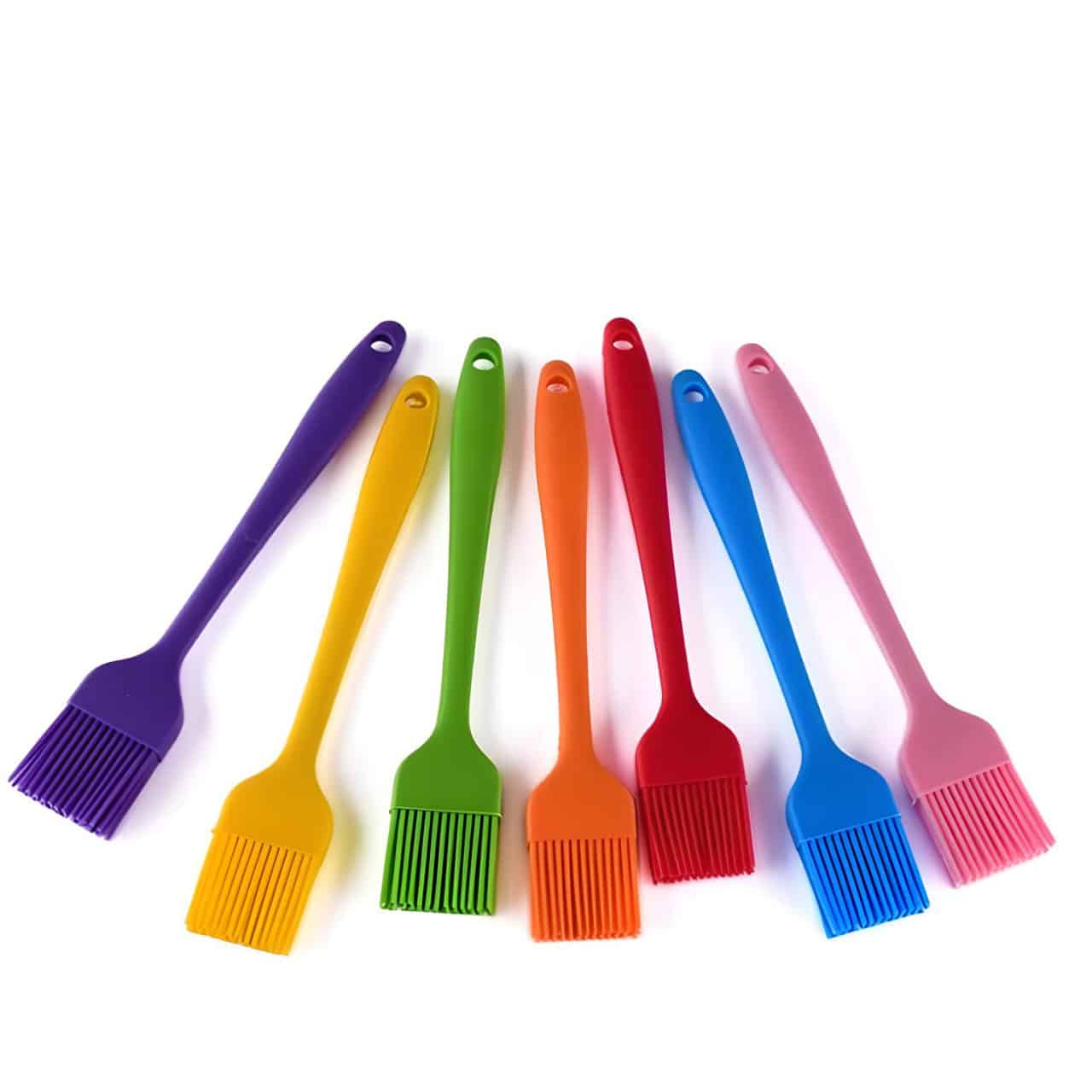
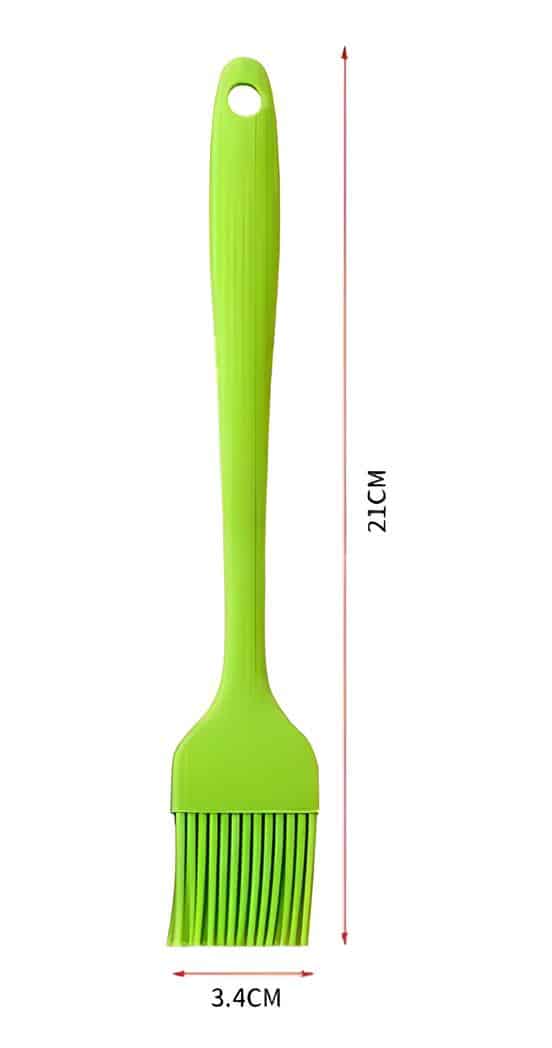
Keeping your brushes in good condition after working with epoxy resin is essential to ensure accurate results and save money on future projects. This comprehensive guide explains how to clean epoxy resin brushes, helping you prevent hardened residue and keep your tools lasting longer. Whether you use synthetic, silicone, or disposable brushes, these steps will help you maintain them properly.

What You’ll Need
- Reusable Silicone Resin Brush for Epoxy Art and Wood Applications (for easy cleaning and reuse)
- Pure Isopropyl Alcohol 99.9% – 1000ml Bottle for Epoxy Resin Projects & DIY (effective for dissolving uncured resin)
- 12-Piece Artists Paint Brush Set for Epoxy Resin Art & DIY Projects (for varied application needs)
- 5-Piece Disposable Paint Brush Set for Art, Crafting & DIY Projects (for single-use convenience)
- Warm soapy water
- Protective gloves (recommended)
- Paper towels or lint-free cloth
- Brush comb or old toothbrush (optional, for dried resin)
See the Cleaning Process in Action
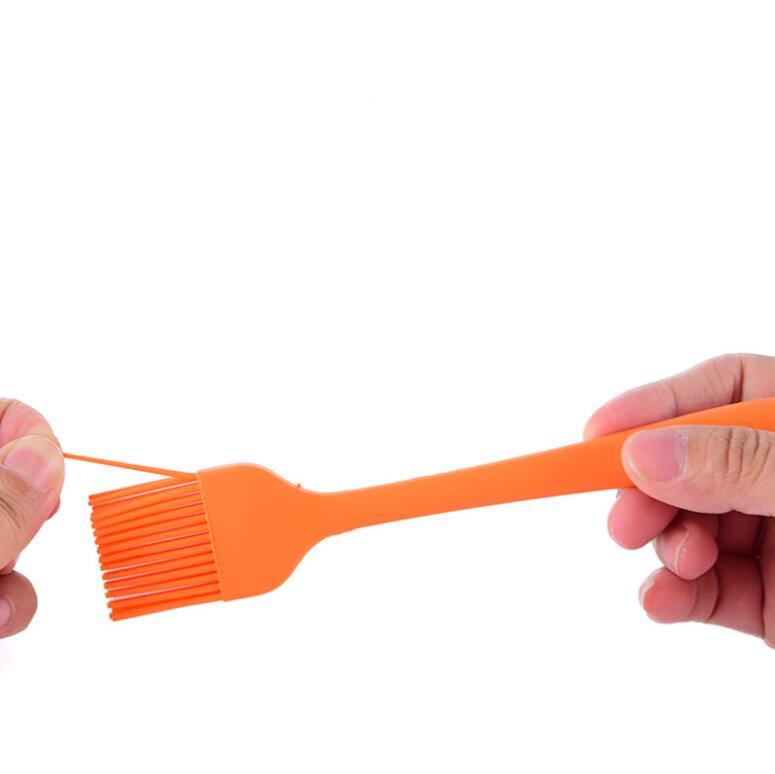
Watch how easy it is to clean resin brushes using isopropyl alcohol and silicone tools. This practical demonstration shows step-by-step results and reveals the benefits of cleaning brushes straight after your resin project. Explore visual examples that cover different brush types, so you know exactly what to expect with proper maintenance.
Step 1: Rinse Brushes Immediately After Use
Act quickly—once you finish applying epoxy resin, Rinse brushes immediately after use while the resin is still wet. Run the brush under lukewarm water and gently work out the resin with your fingers or a mild brush comb. For silicone brushes, warm soapy water is particularly effective, ensuring the bristles remain free of tacky residue. If you are using a Reusable Silicone Resin Brush for Epoxy Art and Wood Applications, the cleaning process is straightforward—just rinse and set aside to dry.


Step 2: Use Isopropyl Alcohol for Sticky Residue
If some resin remains clingy or partially cured, Use isopropyl alcohol for sticky residue. Pour a small amount of Pure Isopropyl Alcohol 99.9% – 1000ml Bottle for Epoxy Resin Projects & DIY into a container and gently agitate the brush for a few minutes. The alcohol effectively dissolves un-cured epoxy, helping you recover your tool. Always wear gloves and use this method in a well-ventilated area, as isopropyl alcohol evaporates quickly and is highly flammable. Rinse the brush under water once the resin is removed.
Step 3: Deal with Dried Epoxy Resin
If resin has hardened on the bristles, removal becomes challenging. For synthetic brushes from the 12-Piece Artists Paint Brush Set for Epoxy Resin Art & DIY Projects, try gently teasing out the residue with a brush comb or old toothbrush. Soaking in isopropyl alcohol may soften the resin, but complete removal isn’t always guaranteed. For disposable brushes like the 5-Piece Disposable Paint Brush Set for Art, Crafting & DIY Projects, it’s usually best to safely discard the brush once hardened.


Step 4: Dry and Store Brushes Correctly
After cleaning, shake out excess water and lay brushes flat or hang them with bristles facing down to maintain shape. Ensure brushes are fully dry before reuse to prevent mould or odours. Silicone brushes are especially easy to dry and store due to their non-absorbent properties. Proper storage extends the life of both reusable and artist brush sets.
Tips and Common Mistakes to Avoid
Avoid harsh solvents and overheating: Never use acetone or strong chemicals on your brushes as this can damage synthetic and silicone fibres. Resist the temptation to clean by heating or burning off residue—it ruins both brush and results. Early cleaning delivers the best outcome—delay allows resin to cure, making recovery difficult or impossible. For best results, dedicate certain brushes to resin work and clean immediately after each use.

Before-and-After Brush Cleaning Showcase
View dramatic before-and-after shots of properly cleaned epoxy resin brushes. Notice how reusable silicone and artist brush sets stay in good condition when cared for as described. This comparison helps you spot the difference between routine cleaning and neglected brushes—strengthening your maintenance habits for future projects.

- Reusable Silicone Resin Brush for Epoxy Art and Wood Applications£3.62Reusable Silicone Resin Brush offers easy cleaning and is suitable for art and wood projects within a brush-cleaning theme.
- Pure Isopropyl Alcohol 99.9% – 1000ml Bottle for Epoxy Resin Projects & DIYPrice range: £10.45 through £20.95Pure Isopropyl Alcohol 99.9% suitable for cleaning in epoxy resin projects and helping create effects.
- 5-Piece Disposable Paint Brush Set for Art, Crafting & DIY Projects£6.45This brush set includes five disposable brushes designed for detailed painting and crafting, suitable for epoxy resin projects.
- 12-Piece Artists Paint Brush Set for Epoxy Resin Art & DIY Projects£6.95The 12-Piece Artists Paint Brush Set is suitable for epoxy resin art, featuring versatile brush shapes and durable synthetic bristles.
Frequently Asked Questions
Can you reuse brushes after applying epoxy resin?
Brushes can be reused if cleaned promptly while the resin is still wet. Silicone brushes offer especially easy reuse.
What type of brushes work best for epoxy resin?
Synthetic bristle brushes and silicone brushes are preferred as they resist resin build-up and are easier to clean.
How do you clean brushes once epoxy resin has hardened?
Hardened resin is difficult to remove. Try soaking in isopropyl alcohol and gently combing out residue, but replacement may be needed.
Is it safe to use isopropyl alcohol for cleaning resin brushes?
Yes, use in a ventilated area and avoid heat or flames. Wear gloves for skin protection.
Can you clean disposable brushes after using epoxy resin?
Disposable brushes are intended for single use, so it's usually best to discard them after resin work.
Do you need special cleaners for epoxy resin brushes?
Isopropyl alcohol is most effective and widely accessible for removing uncured resin from brushes.