 Free shipping on orders over £29,85
  Shipping Tracking!


 Google
 Facebook
← Back to How to repair a resin bumper?
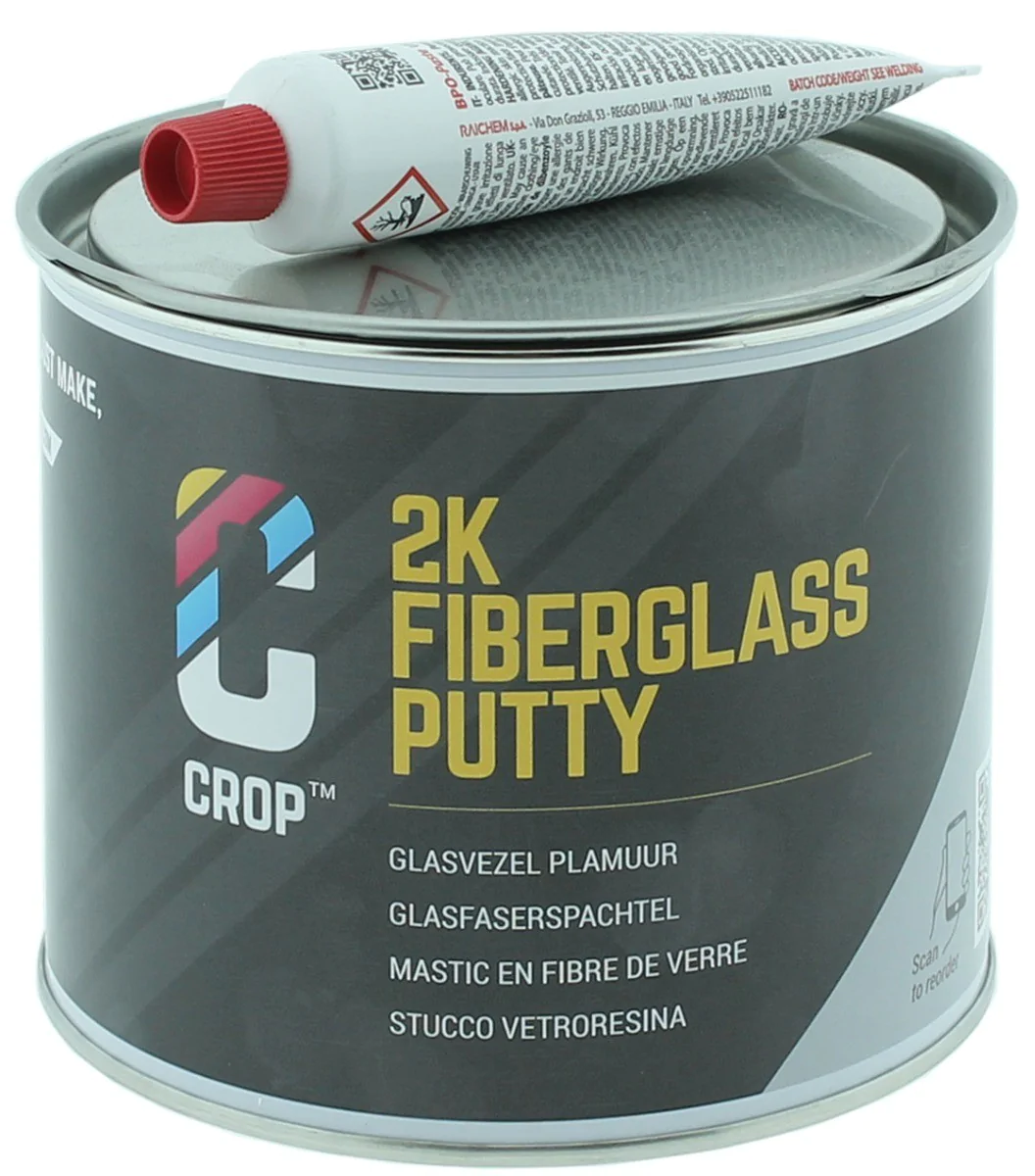
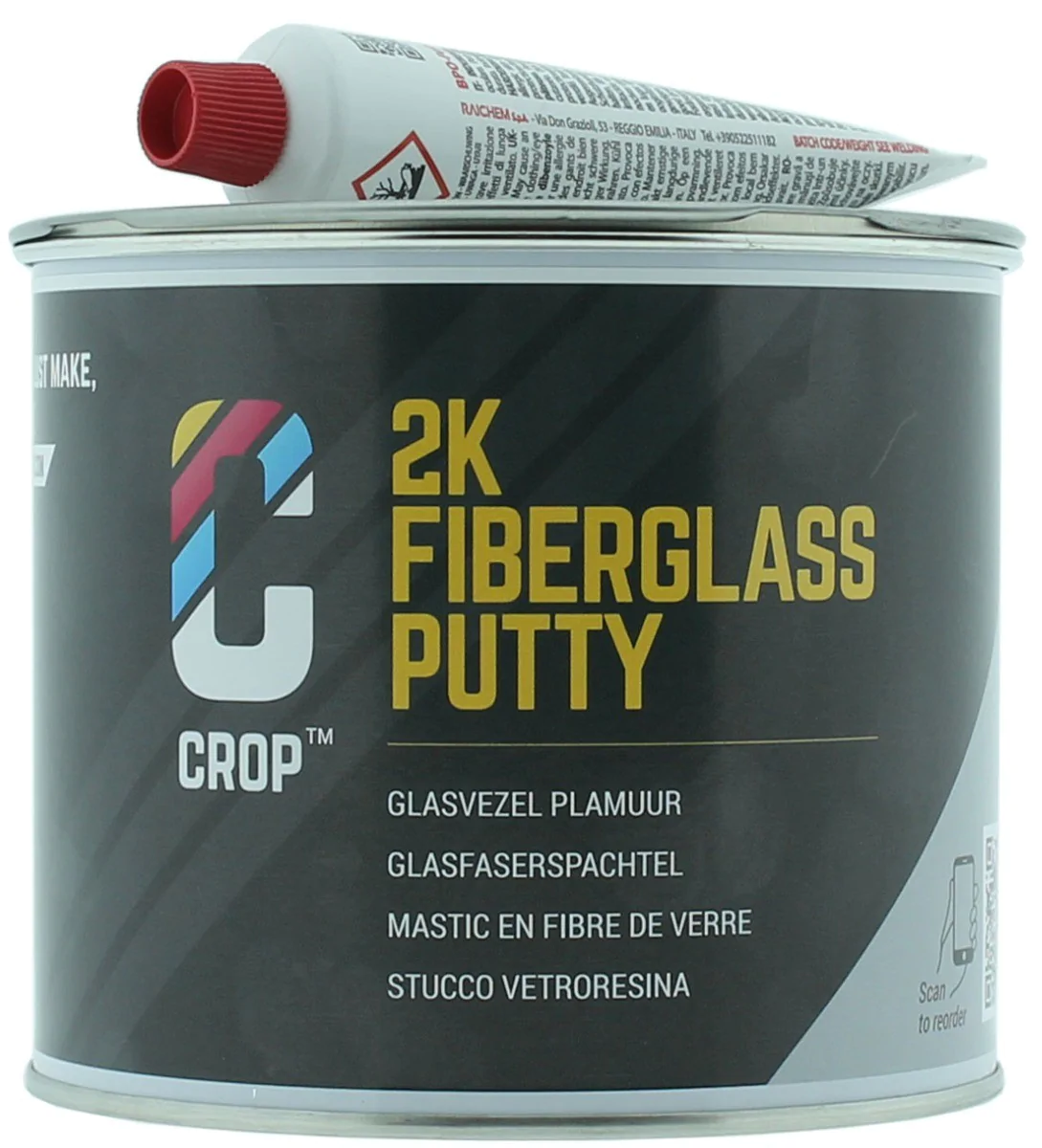
Proper preparation is the foundation of a successful resin bumper repair. Smoothing and cleaning the surface ensures the best results for filling, bonding, or repainting, and helps future repairs last longer.
Why Sanding is Essential
Sanding allows you to remove any uneven areas, scratches, or remnants of old paint on your resin bumper. This creates a slightly roughened texture, which is crucial for new fillers or resins to adhere effectively. Skipping this step can lead to poor bonding, affecting both appearance and durability.

How to Prepare a Resin Bumper for Repair
- Begin by washing the bumper to remove dirt, grease, and debris.
- Once dry, use medium-grit sandpaper (typically 120–180 grit) to sand damaged or uneven areas until smooth.
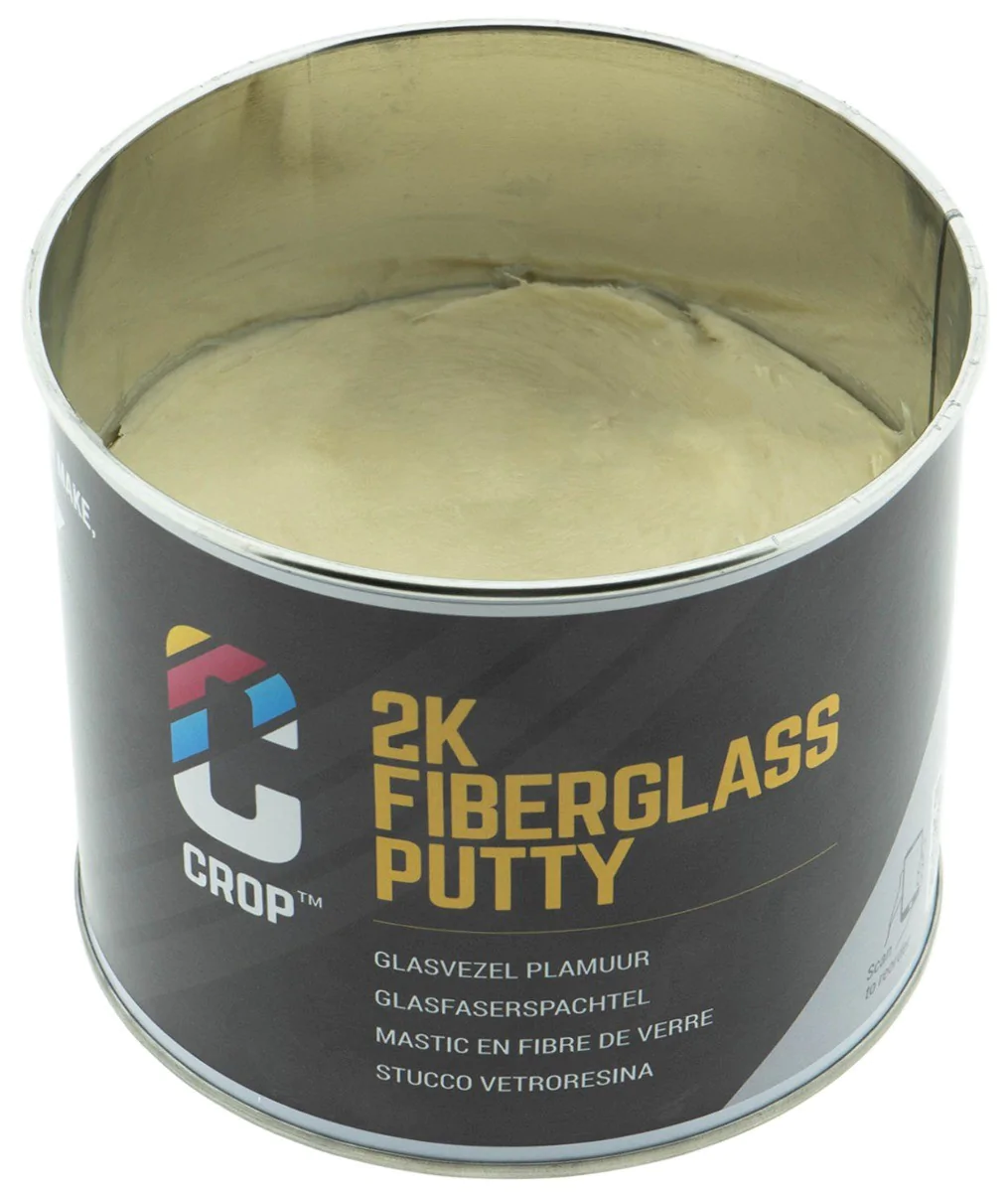
- For deep dents or cracks, consider applying a reinforced filler such as CROP 2K Fiberglass Putty after sanding. Its fibreglass-reinforced formula is easy to sand and resilient after curing.
- Finish with a finer grit (up to 320 grit) for a smooth, paint-ready finish.
- Wipe down the area with a clean, lint-free cloth to remove dust.
When Surface Preparation Matters Most
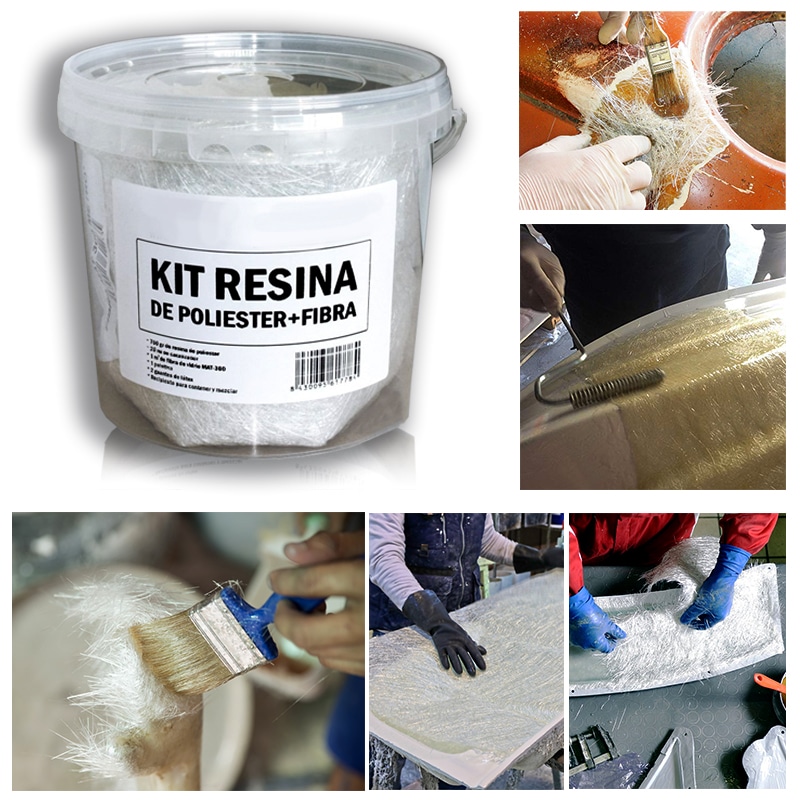
If your resin bumper has substantial cracks, holes, or previous repair attempts, thorough surface preparation is vital. Only a well-prepared area ensures that new repairs, such as fibreglass putty or epoxy coatings, will bond firmly and evenly.
Related products
Related guides
For the best long-term outcomes when repairing a resin bumper, careful sanding and preparation set the stage for strong adhesion and a quality finish. Discover more bumper repair tips and full repair guides on our parent page.