 Free shipping on orders over £29,85
  Shipping Tracking!


 Google
 Facebook
How to remove resin from plastic?
Follow safe, effective steps to clean plastic surfaces


Removing resin from plastic requires a careful approach to protect the underlying surface from scratches or clouding. Whether you’re cleaning up after an epoxy project or tidying up a minor spill, the right technique will restore your plastic piece without unnecessary damage. This guide explains each step to ensure safe and thorough resin removal for all experience levels.

What You’ll Need
- Pure Isopropyl Alcohol 99.9% – 1000ml Bottle for Epoxy Resin Projects & DIY – for dissolving light resin residues
- Strong Technical Degreaser for Resin Projects – 100% Natural Formula – best for degreasing and cleaning surfaces after resin removal
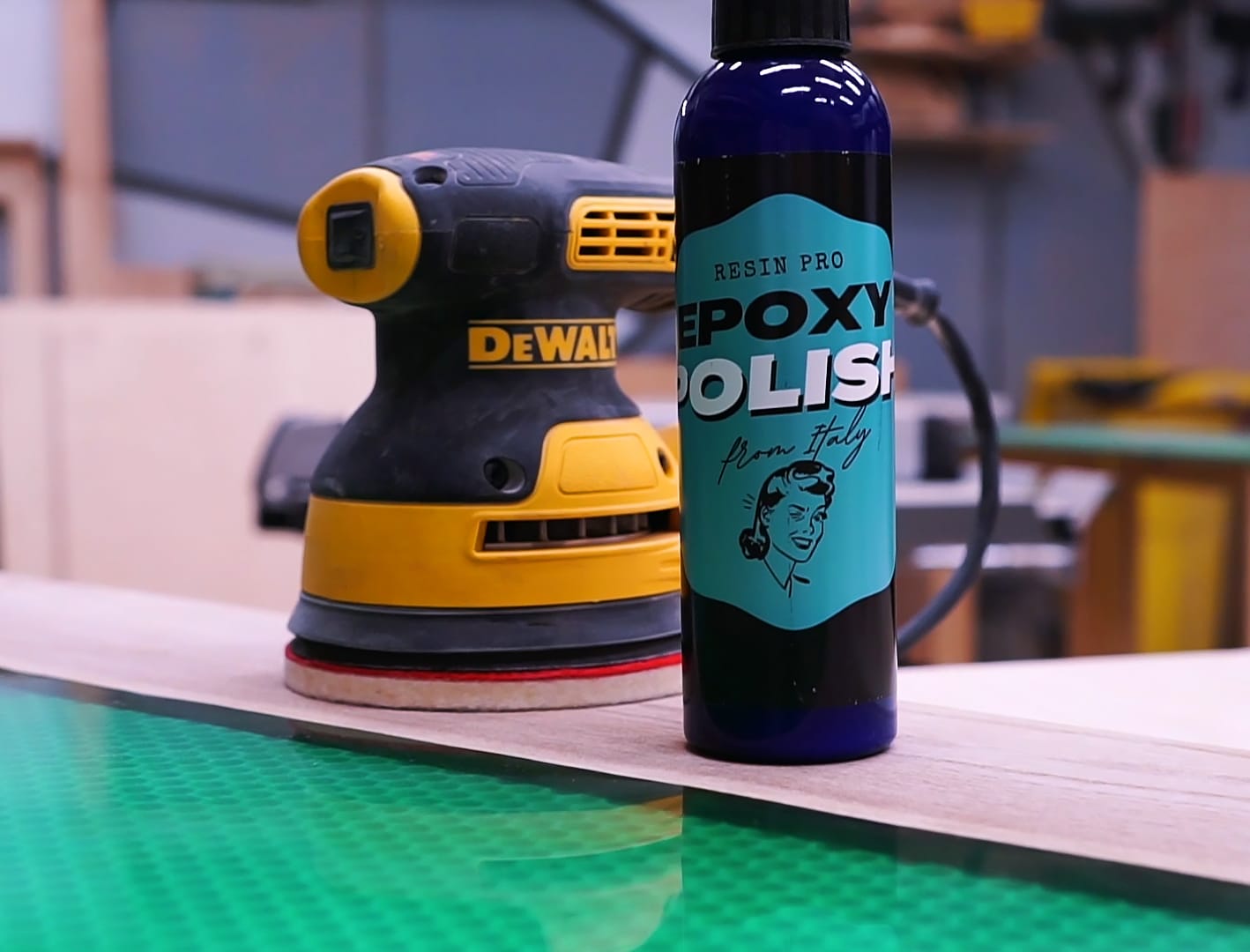
- “Epoxy Polish” – Epoxy Resin Polishing System – optional, for restoring gloss to plastic if light haze remains
- Soft, lint-free cloths
- Plastic scraper or spatula
- Protective gloves

Safe Techniques for Resin Removal
Always work slowly and use soft, non-scratching cloths when cleaning plastic. If using solvents, avoid open flames and excessive inhalation by ventilating your workspace.
Step 1: Assess the Resin and Prepare the Area
First, determine whether the resin is cured (hardened) or still sticky. Fresh resin is easier to remove, while cured resin may need more attention. Set up in a well-ventilated space, protecting your hands and workspace from contact with cleaning solutions and resin particles. Wear protective gloves and ensure good ventilation at all times.
Before beginning, clear away any dust or loose particles around the affected area with a soft, dry cloth. This prevents abrasion as you work on the resin.


Step 2: Loosen or Remove the Resin
For resin that’s not fully cured, gently blot or wipe it with a soft cloth dampened with isopropyl alcohol. Pure Isopropyl Alcohol 99.9% works well, as it can dissolve resin residues without damaging most plastics. Allow the alcohol to sit for a minute if the layer is stubborn, then gently scrape with a plastic spatula—never use metal scrapers that can scratch the surface.
For thick or fully cured resin, carefully chip away excess material using a plastic scraper. Work slowly to avoid leaving gouges in the plastic. If needed, repeat with the alcohol-dampened cloth to soften any residue before scraping again. Do not use abrasive pads or harsh chemicals as these may dull or etch the plastic.
Step 3: Clean and Restore the Plastic Surface
Once the bulk of the resin is removed, it’s important to thoroughly clean the surface. Use a mild cleaning solution such as the Strong Technical Degreaser for Resin Projects – 100% Natural Formula with a soft cloth to eliminate any sticky residue. This step ensures no film is left behind, which could attract dust or leave a cloudy appearance.
If, after cleaning, the plastic shows minor haze or fine scratches, apply a dedicated polish to restore its clarity. For this, the “Epoxy Polish” – Epoxy Resin Polishing System can be gently worked into the area by hand, using a microfibre cloth and following the product instructions. Buff until the plastic regains a smooth, glossy finish.
Work methodically and avoid excessive scrubbing, which can cause unwanted surface marks.
Tips and Common Mistakes to Avoid
Always test your solvent or cleaning agent on a small, inconspicuous part of the plastic first to ensure it won’t react or discolour the material. Avoid using metal tools or abrasive pads—these can permanently scratch the surface. Be patient with thick resin; several tries may be needed for removal without risking damage.
Allow any cleaning product to evaporate fully before handling or using the item again. If some cloudiness remains, a gentle polish can bring the shine back without the need for more abrasive measures.
Getting the Best Results After Cleaning
After resin removal, buff the area lightly with a microfibre cloth to restore surface clarity. Epoxy Polish can help achieve a flawless finish if needed.

- Pure Isopropyl Alcohol 99.9% – 1000ml Bottle for Epoxy Resin Projects & DIYPrice range: £10.45 through £20.95Pure Isopropyl Alcohol 99.9% in a 1000ml bottle is suitable for epoxy resin projects and supports bubble removal and cleaning tasks.
- Strong Technical Degreaser for Resin Projects – 100% Natural FormulaOriginal price was: £10.95.£9.45Current price is: £9.45.A natural, gentle degreaser designed for cleaning surfaces and resin projects without damage.
- "Epoxy Polish" – Epoxy Resin Polishing SystemPrice range: £18.95 through £47.45"Epoxy Polish" is designed for polishing resin and plastics to achieve a glossy, scratch-free finish suitable for various resin projects.
Frequently Asked Questions
Is isopropyl alcohol safe to use on all types of plastic for removing resin?
It is generally safe on most plastics but test on a small area first, as certain plastics may react or become cloudy.
How do I remove resin that is fully cured on plastic?
Carefully chip away as much as possible using a plastic scraper, then use isopropyl alcohol to soften and clean any residue.
What is the best tool for safely removing resin from plastic without scratching?
A plastic scraper or a soft cloth is recommended to avoid scratching; never use metal or abrasive pads.
What should I do if the plastic looks cloudy after removing resin?
Polish the area gently with a microfibre cloth or a specialist plastic polish to bring back clarity and shine.
Are the recommended cleaning products safe for resin-coated art pieces on plastic?
Yes, provided they are used gently and as directed; always spot test first to ensure compatibility with the artwork.
How can I get rid of sticky, uncured resin from a plastic surface?
Blot with isopropyl alcohol and a soft cloth, repeating as needed until all residue is gone, then clean with a degreaser.
Do I need to polish plastic after removing resin residue?
Polishing is optional but can help restore gloss and clarity, especially if light haze or scratches are present.