 Free shipping on orders over £29,85
  Shipping Tracking!


 Google
 Facebook
← Back to How do you say resin in English?


Epoxy resin is a popular material for creative projects at home, from art to furniture, but many wonder about its safety, especially when using it indoors. Here’s what you need to know for safe and successful results.
What to Know About Epoxy Resin Safety
Once fully cured, many modern epoxy resins are non-toxic and solvent-free, meaning they’re generally safe to handle and use on decorative items. However, the mixing and pouring process involves reactive chemicals that can be sensitising or irritating if proper precautions are not taken.
- Always wear gloves and work in a well-ventilated area.
- Avoid direct skin contact and never inhale dust or fumes from uncured resin.
- Follow the manufacturer’s instructions closely for mixing ratios and curing times.

Choosing the Right Epoxy for Your Home Project
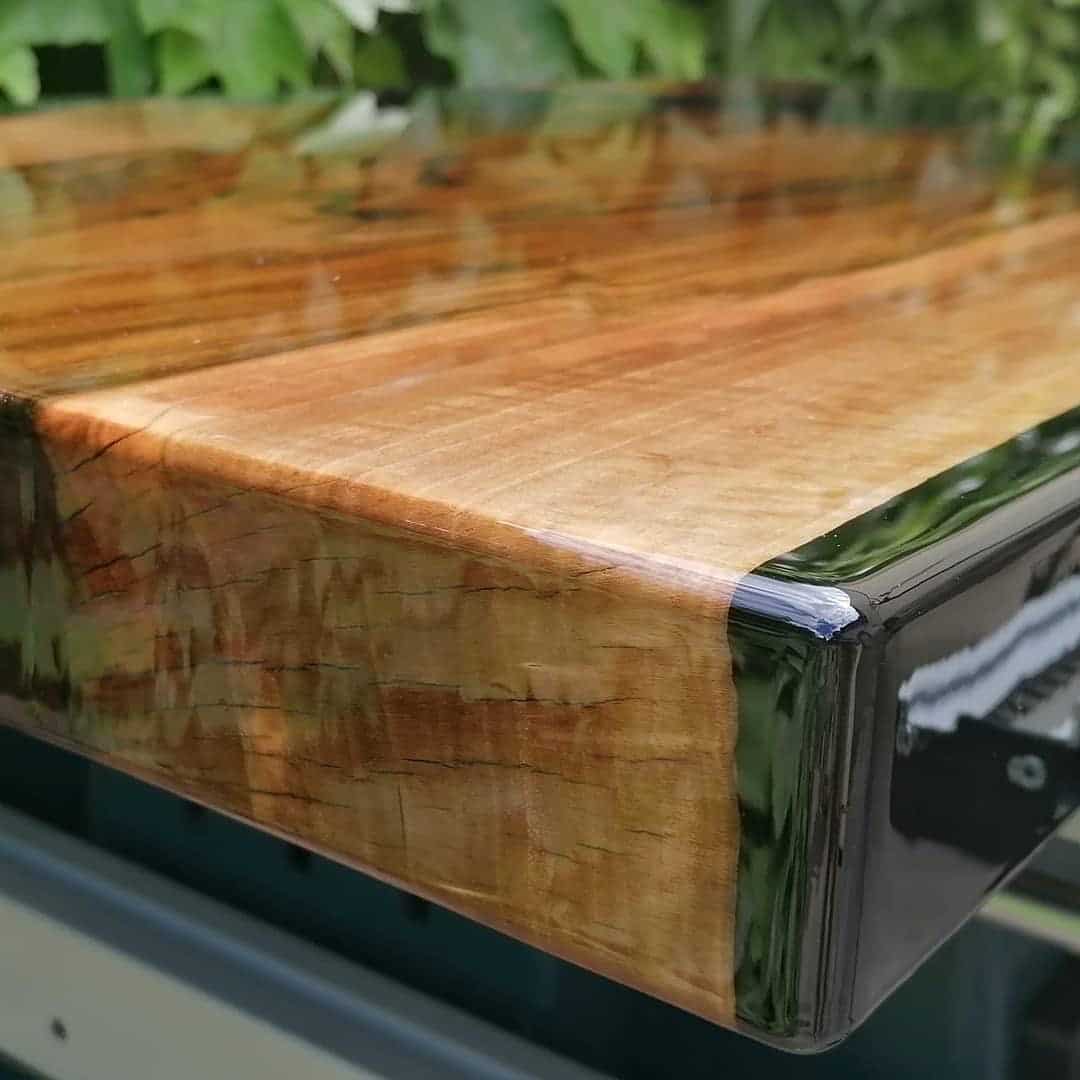
Some resins, like “Trasparente” Multipurpose Clear Epoxy Resin, are certified non-toxic once cured, making them well-suited to art, crafts, and homeware projects. Options such as “Icrystal” Clear Epoxy Resin are odourless and ideal for smaller surface coatings or creative applications. For very deep pours, like tabletops, a specialised product such as “Epoxytable 10-Ten” can help manage curing safely and is designed to reduce overheating during larger projects.
When This Matters
If you have children, pets, or are working in a small flat, prioritising the safest epoxy resin and following best practise becomes especially important. Always wait for a full cure before allowing contact with finished items.

Related products
Related guides
By understanding and applying sensible safety steps, epoxy resin can be a secure choice for a range of home projects. For more on resin materials and terminology, visit our main guide to resin in English applications.