 Free shipping on orders over £29,85
  Shipping Tracking!


 Google
 Facebook
← Back to How to produce resin from wood?
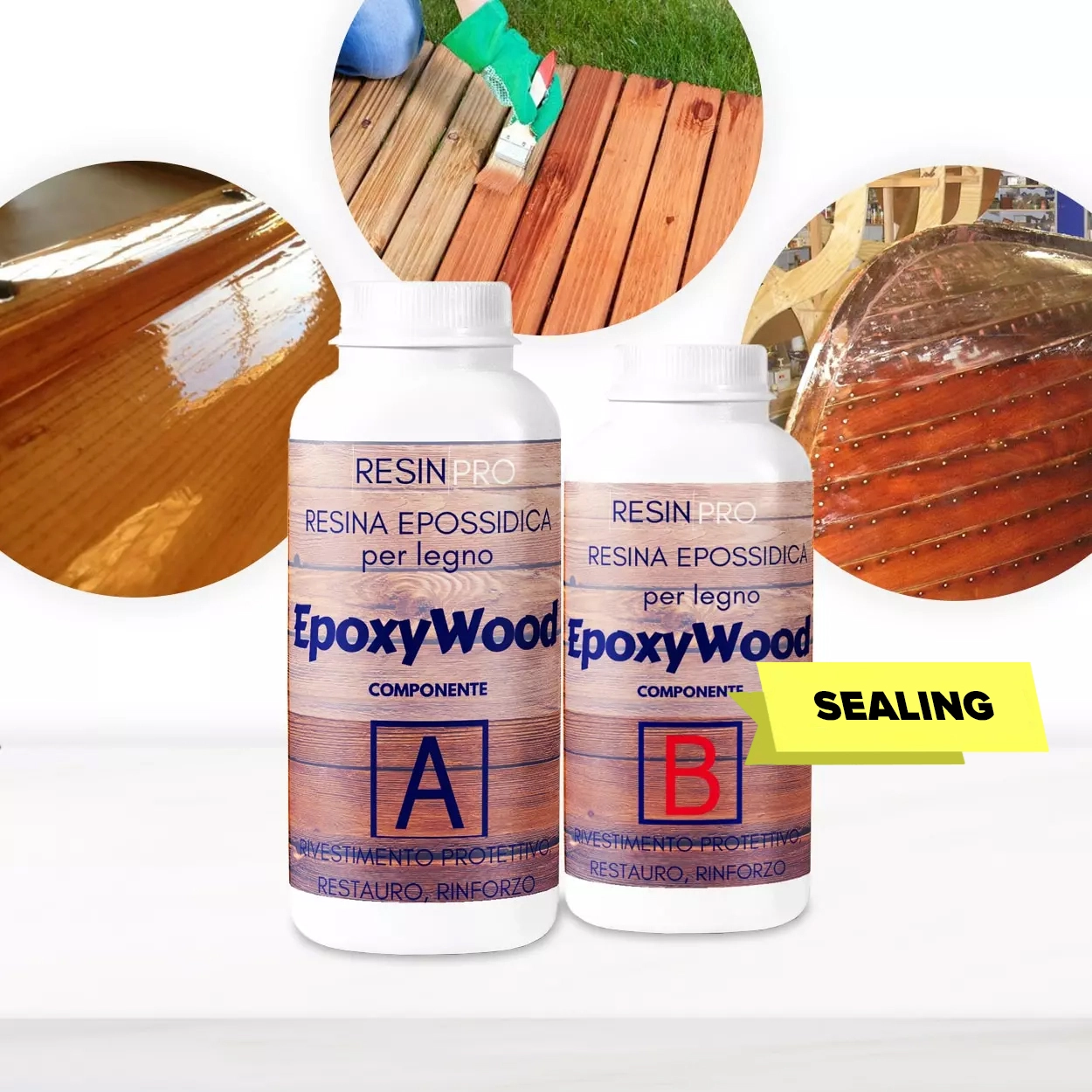
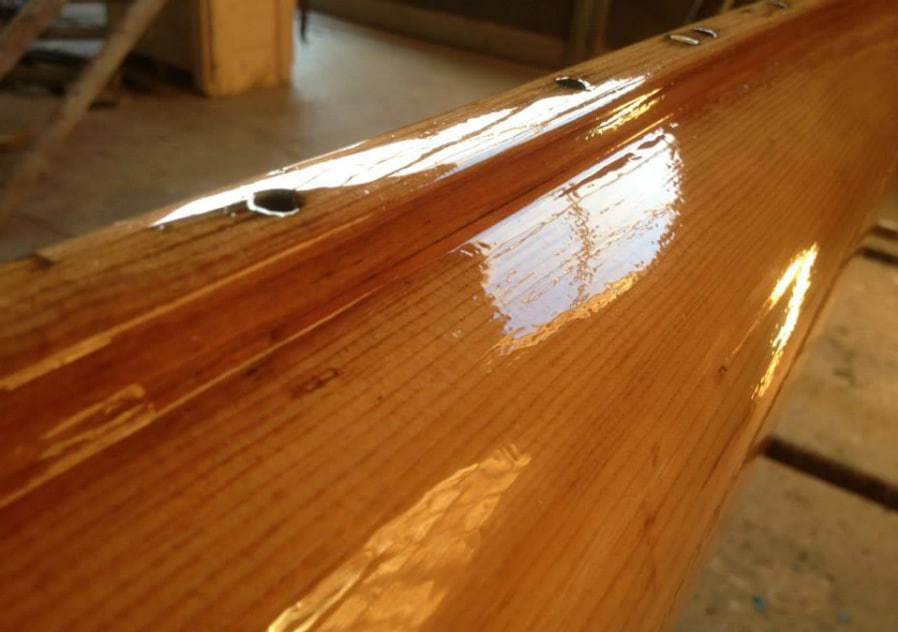
When sealing or reinforcing wood with resin, applying the right number of coats ensures durability and a refined finish. The ideal approach depends on your wood type, its porosity, and the final look you wish to achieve.
How Many Resin Coats Does Wood Need?
Most wooden surfaces require between one and three coats of resin. Softer or more porous woods tend to absorb more resin, often benefiting from extra coats for full coverage and protection. For denser, less absorbent timber, a single thorough coat may suffice for basic sealing.
- 1–2 coats: Suitable for dense, already smooth wood.
- 3 coats: Recommended for open-grain or weathered timber needing deeper reinforcement.


Tips for Application and Results
Start by ensuring your wood is dry and sanded. Apply the first coat using a brush or roller, allowing it to soak in. Once cured, lightly sand if necessary and apply additional coats until the wood no longer draws in resin and a uniform layer remains. Products like EpoxyWood are engineered for deep penetration, enhancing both the strength and water-resistance of wood surfaces.
When Extra Coats Matter
If your project requires weatherproofing or is exposed to heavy use—such as outdoor furniture, boat repairs, or restoration of old wood—multiple coats are particularly valuable. More layers boost both structural integrity and long-term durability.

Related products
Related guides
Selecting the right coating routine forms a key part of any wood resin project. For deeper guidance and comprehensive instructions, visit our main resource on how to produce resin from wood.