 Free shipping on orders over £29,85
  Shipping Tracking!


 Google
 Facebook
← Back to How to produce resin from wood?
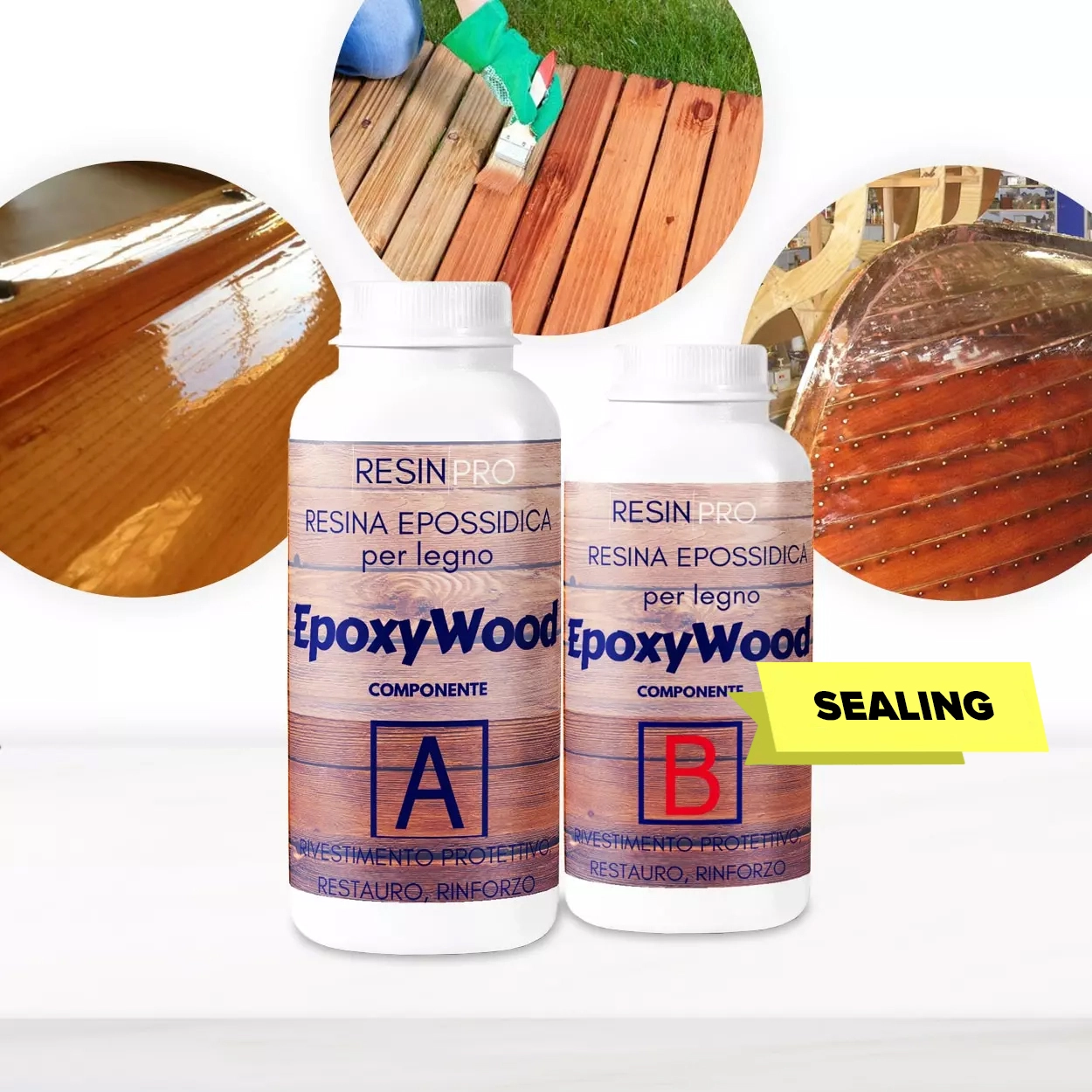
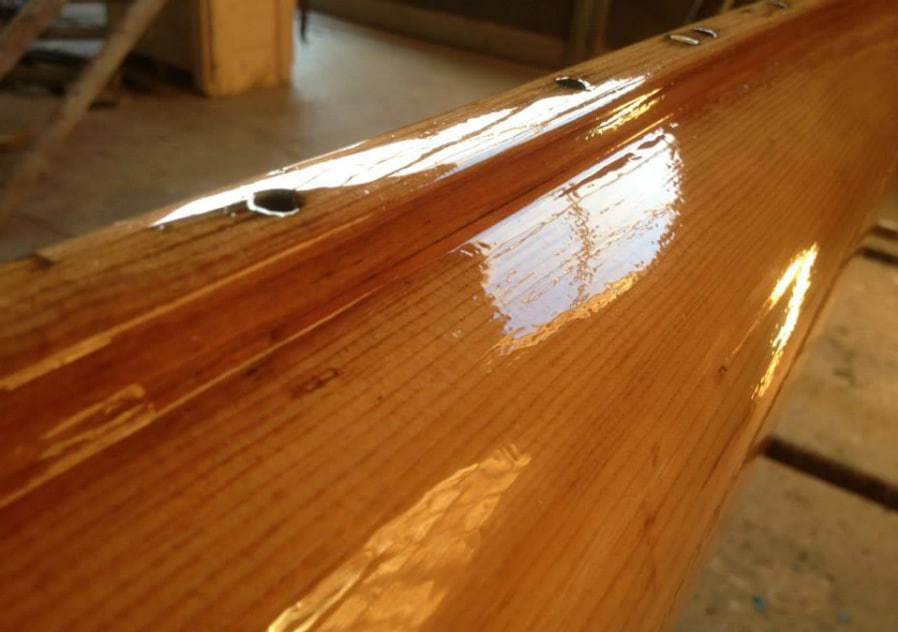
Working with wood resin unlocks creative and durable woodworking possibilities, but careless mistakes can result in flawed finishes and weakened pieces. Knowing what to avoid helps ensure your resin projects last.
Avoid Damp or Poorly Prepared Wood
Moisture is wood resin’s worst enemy. Always work with well-dried, sanded wood—trapped water can cause cloudiness, bubbles, or poor adhesion. Before applying a product like EpoxyWood, make sure your surface is completely dry and free from dust or oils for the best results.


Never Rush the Mixing Process
Mismatched ratios or poor blending can cause incomplete curing, unpredictably soft spots, and unsightly streaks. Take your time to measure and mix thoroughly according to the resin’s instructions, using clean containers and tools. Plan for a calm and tidy workspace—rushed jobs are almost always visible in the final finish.
Keep Resin Pours Controlled & Thin
Deep or overly thick pours without staged layering can result in trapped air, overheating, and uneven curing. Resin products suited to wood often work best in thinner layers or, if a deep pour is needed, specifically formulated options may be needed, such as those designed for pouring up to 10cm. Working in manageable layers helps prevent cracking, yellowing, or sticky patches.
Related products
Related guides
By preparing your wood thoroughly, mixing resin patiently, and pouring with care, you can achieve both a durable and beautiful result. For more tips and advice, see our full guide on how to produce resin from wood.