 Free shipping on orders over £29,85
  Shipping Tracking!


 Google
 Facebook
← Back to How do you apply a vitrifying resin to a painting?
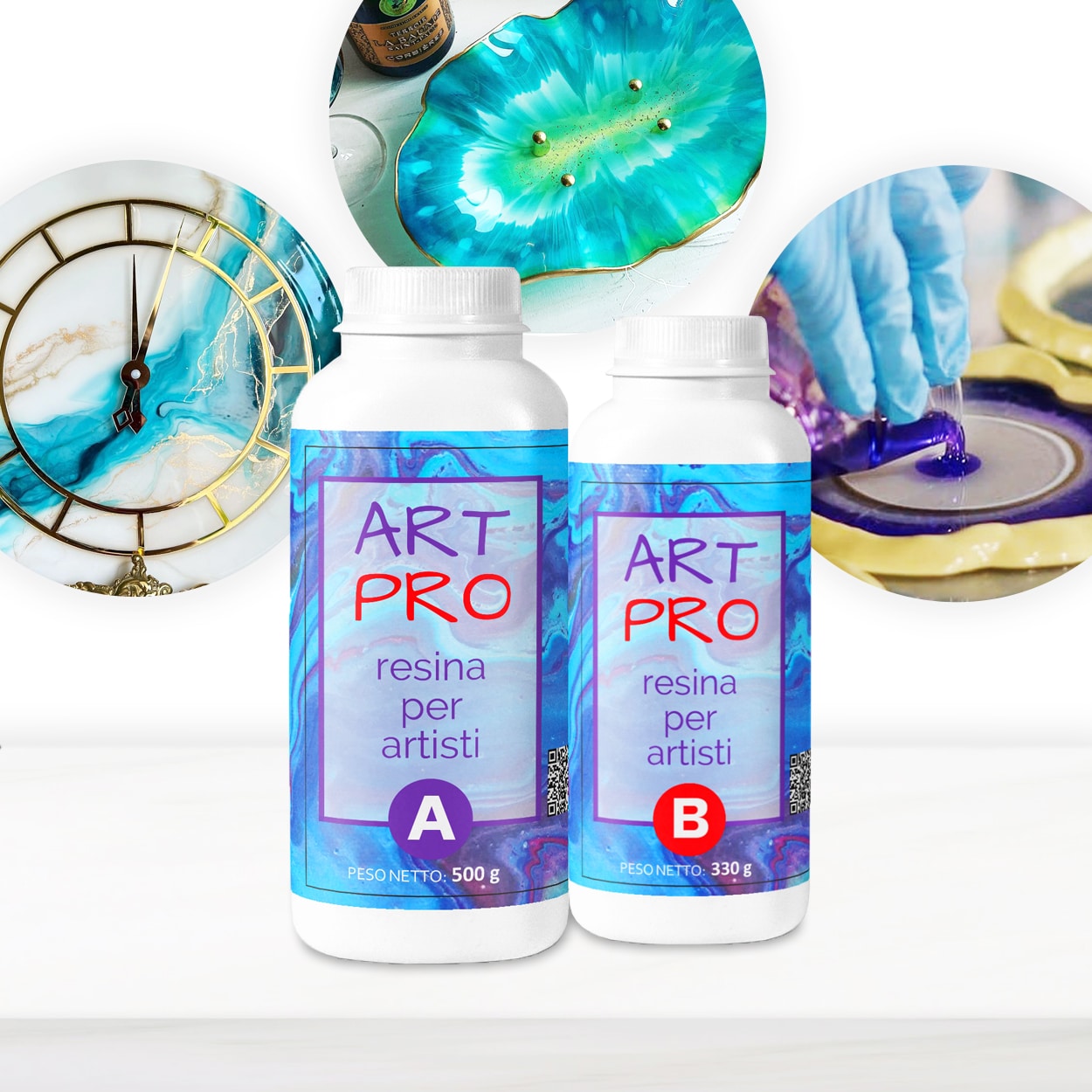
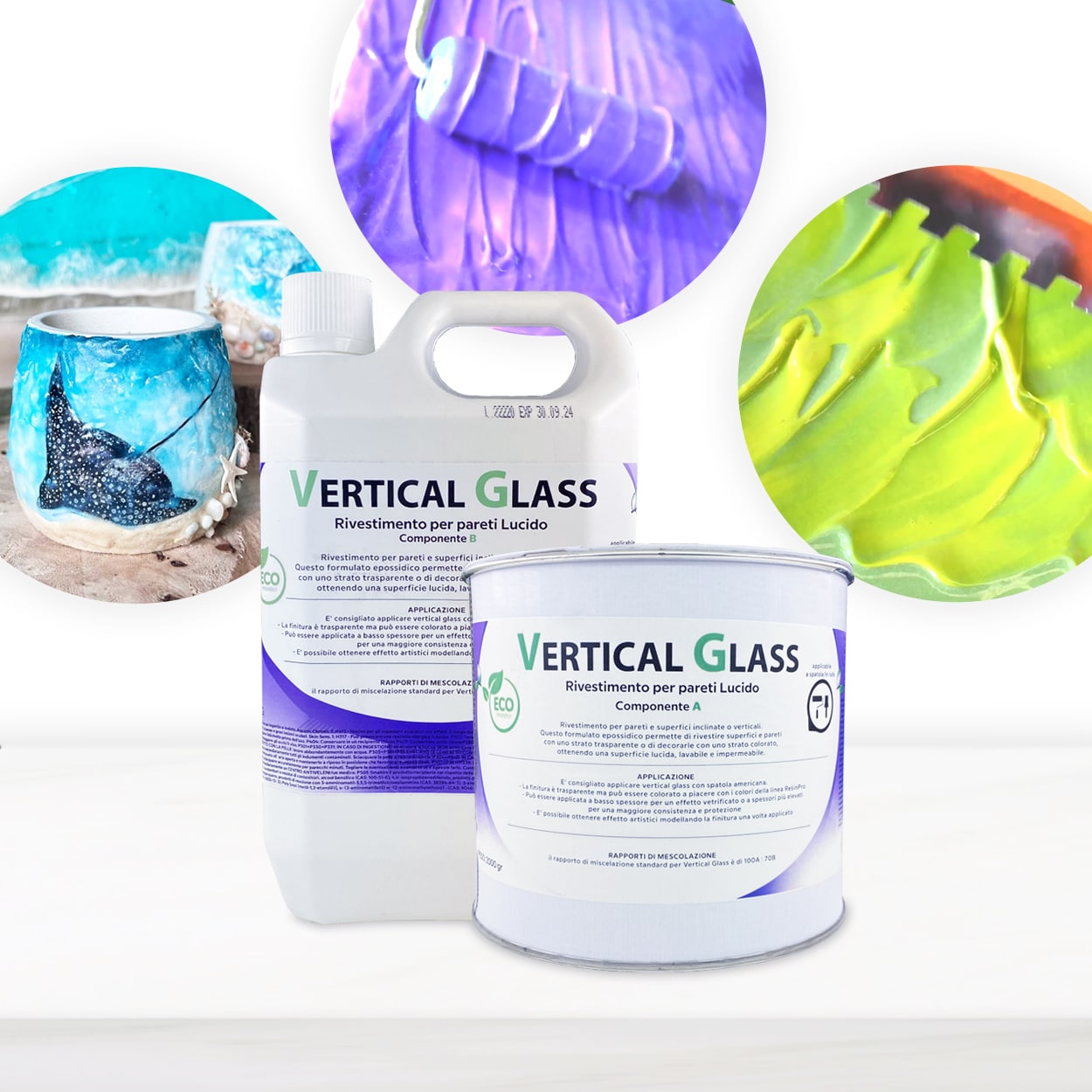
Applying resin as a protective, glass-like coat over artwork is a popular way to achieve a brilliant finish. However, if you’re working with oil paintings, there are key points to consider before resin application for best results and longevity.
Why Wait for Oil Paint to Fully Cure?
Oil paints cure very slowly, often taking six months or more to fully harden below the surface. Applying resin too soon can trap solvents, leading to yellowing, cracking, or even resin delamination as the paint continues to outgas. Always confirm that your oil painting is completely dry and fully cured before introducing any resin layer.
Choosing and Applying Resin
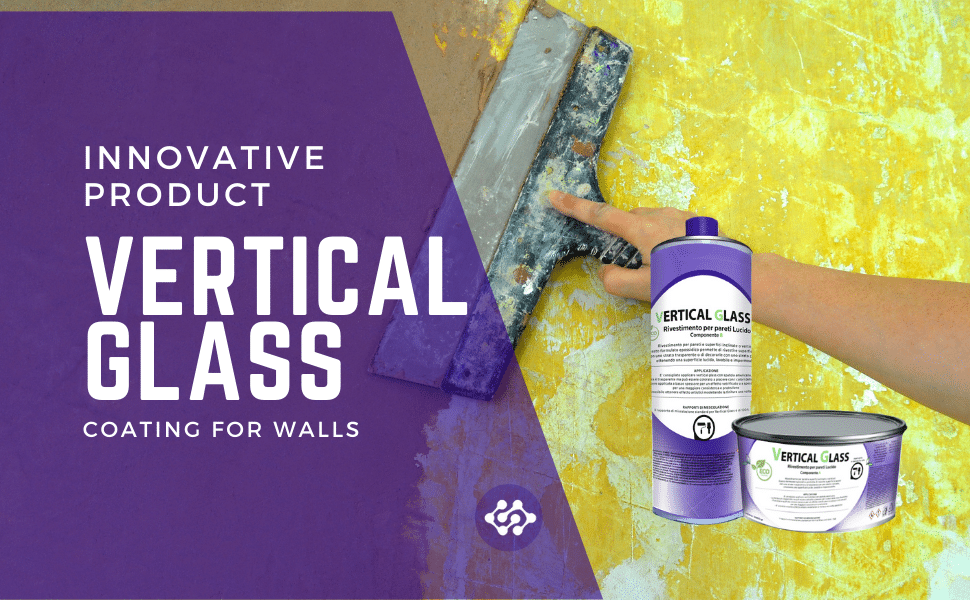
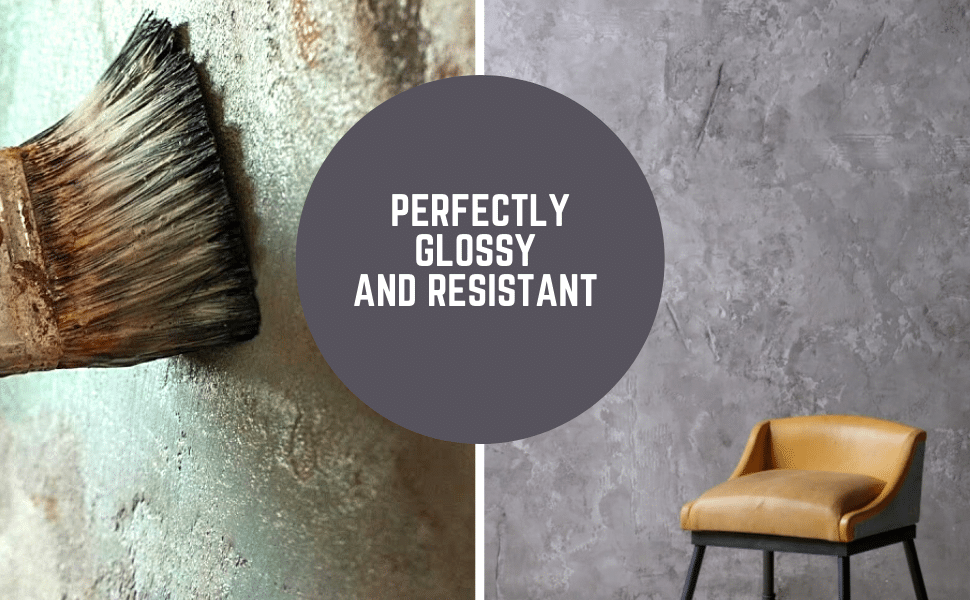
For best results on cured oil paintings, use a clear, self-levelling resin such as Art Pro Clear Epoxy Resin. Select a resin designed for protective surface coating rather than deep casting. Before application, make sure the painting is dust-free and gently wiped down. Pour or brush the resin onto the artwork in a thin, even layer, using a short-pile roller or suitable tool for even distribution. Work in a well-ventilated area, and allow the resin to cure fully according to the manufacturer’s instructions.
When This Matters
- If you want to preserve an oil painting’s vibrancy with a sleek, vitrified finish.
- When exhibitions or sales demand a durable, wipe-clean surface over art.
- If long-term protection from dust or minor spills is required.

Related products
Related guides
Carefully timing your resin application and choosing the right products will ensure your oil paintings get the stunning and lasting finish they deserve. For more insights on resin use with artwork, see our main guide on applying vitrifying resins to paintings.